
If Lionel Messi Came Back To Barcelona It Would Be A €200M Windfall — Here’s Exactly How That Would Work

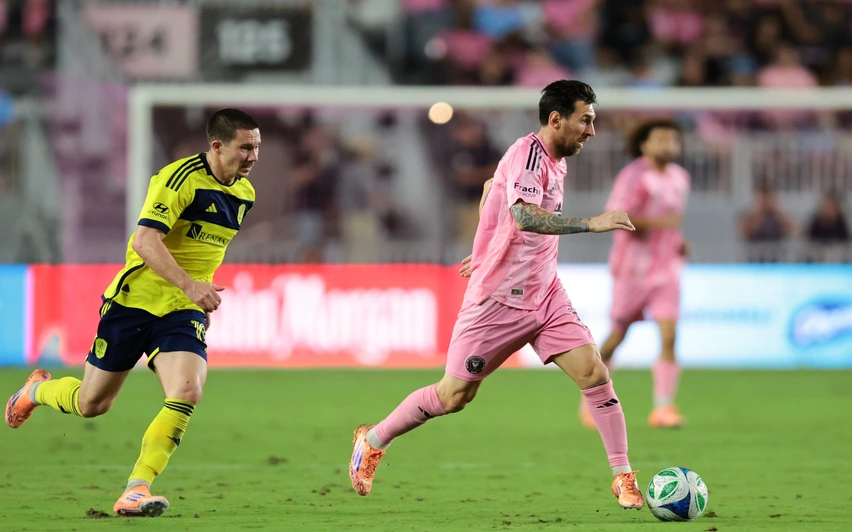
Lionel Messi’s visit to the newly revamped Camp Nou this month reignited an old dream among Barcelona fans and executives. The Catalan club has quietly run the numbers and believes a Messi homecoming could generate roughly €200M in revenue within 12 months.
Even a short-term loan would reportedly move close to €100M. Those are eye-watering sums for a club still managing debt and a tight wage structure. This piece breaks down where that money would likely come from, why it is realistic on paper, and why a return still feels unlikely in practice.
Why Barcelona Thinks Messi Would Be A €200M Cash Machine
Messi is not just a player; he is a global brand that drives ticket sales, broadcast attention, shirt purchases, and a tidal wave of commercial deals. Barcelona executives point to three concrete revenue streams. First matchday receipts. A Messi appearance at Camp Nou would push average attendance, premium seating, and hospitality packages to full capacity with significant price uplifts. Second retail and licensing.
Classic Barcelona shirts with Messi’s name sell out within hours and pull huge margins on replica shirts, special edition kits, and stadium shop sales.
Third sponsorship and media. Brands pay a premium to associate with Messi, and broadcasters know marquee fixtures starring him attract global viewership, increasing negotiating leverage for rights and ad revenue. Recent reporting that modeled these effects has produced the €200M projection.
How A Short Term Loan Could Still Pay Off
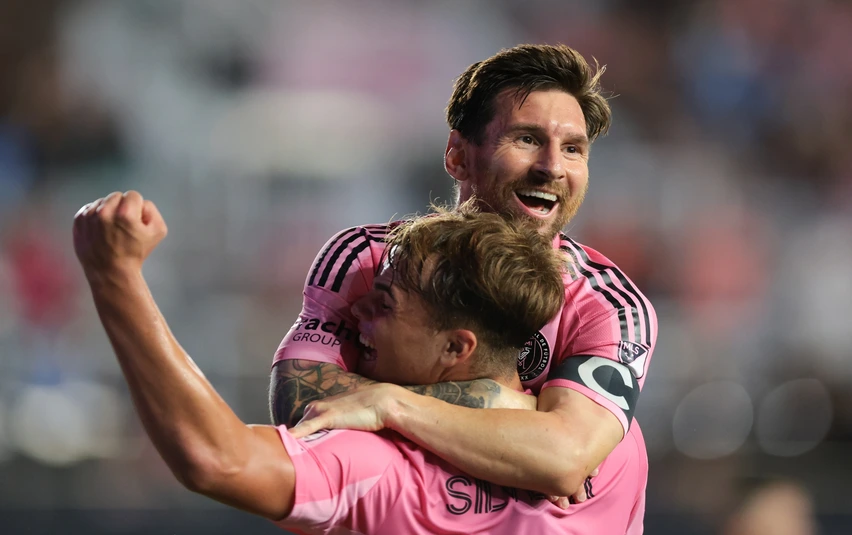
A full transfer might be politically or financially impossible for both parties. Loan deals present a middle path.
Barcelona could structure a short-term arrival that limits long-term wage obligations while unlocking immediate commercial upside. Loan fees alone could approach double-digit millions. Matchday revenue and rapid spikes in merchandise sales would materialize immediately. Sponsors could negotiate special one-season activation packages worth tens of millions of La Liga.
Broadcast partners would promote Messi fixtures heavily, attracting pay-per-view and advertising boosts. Messi with the likes of Lamine Yamal, Lewandowski, Rashford, Pedri, and more would be a dream.
In short, a loan trades long-term payroll risk for short-term cash and brand lift. Reports that price a loan at close to €100M are rooted in conservative multipliers applied to these predictable revenue surges.
The Roadblocks That Make A Return Unlikely Right Now
Commercial sense is one thing. Contract reality and sporting logic are another. Messi extended his Inter Miami contract through 2028 this season and appears committed to the club both on and off the field.
Inter Miami’s ownership has transformed Messi into an asset that has doubled the club’s valuation, investing in stadium plans and long-term projects tied to his presence. Those changes reduce the willingness to sanction even temporary departures.
Barcelona president Joan Laporta has publicly stated that a playing return is unrealistic, despite recent gestures and warm words from Messi about Camp Nou. Financial fair play and squad planning also complicate any high-profile short-term signing. A club cannot solve structural deficits with a single temporary influx, however welcome it might be.
What A Return Would Actually Look Like For Fans And The Market
On the pitch, Messi would instantly lift ticket demand for every home and many away matches. Beyond stadium economics, a Messi cameo would dominate social feeds, trigger massive global coverage, and create once-in-a-season marketing windows.
Barcelona would likely run a targeted campaign: matchday hospitality bundles, limited edition shirts, museum tours tied to his arrival, and sponsor activations that use Messi across advertising, product drops, and hospitality. Internationally, the club could leverage the arrival to reopen markets in Asia and the Americas that have been lukewarm in recent seasons.
Sponsors that paused or cut back investments could be tempted to return with multi-million euro deals. For Inter Miami, the calculus is inverse. Allowing Messi out temporarily risks interrupting commercial momentum and damaging the narrative around the club’s long-term plans. That explains why any negotiation would be intricate and expensive.
Realistic Bottom Line
The headline number €200M is not fantasy arithmetic. It is a composite of immediate cash flows that Barcelona can credibly squeeze from tickets, retail, and sponsor activations. A short-term loan figure of close to €100M reflects a fair market value when both clubs price the deal for maximum immediate return. Real-world constraints remain formidable.
Messi’s Inter Miami contract runs until 2028, and the club has invested heavily in his stay. Barcelona faces structural financial limits and a president who has publicly dampened expectations about a playing return. Fans should hope, but also temper excitement with the reality that what looks brilliant on a spreadsheet often collides with human priorities and commercial strategy in the real world.
Final Take
A Messi return to Barcelona would be blockbuster journalism and instant commercial relief. The €200M projection is defensible if Messi plays a meaningful number of fixtures and both clubs cooperate on commercial rights.
Practical barriers make such a move unlikely in the near term. Inter Miami’s long-term commitments to Messi and Barcelona’s broader financial and sporting constraints point to this scenario remaining a tantalizing possibility rather than an imminent deal.
Fans should treasure the possibility while acknowledging the multiple moving parts that would need to line up. Recent coverage from major outlets underlines both the tremendous upside and the stubborn obstacles that mean this story will keep coming back without any certainty of resolution.
