
Robert Lewandowski’s Barcelona Chapter Nears Its Final Whistle

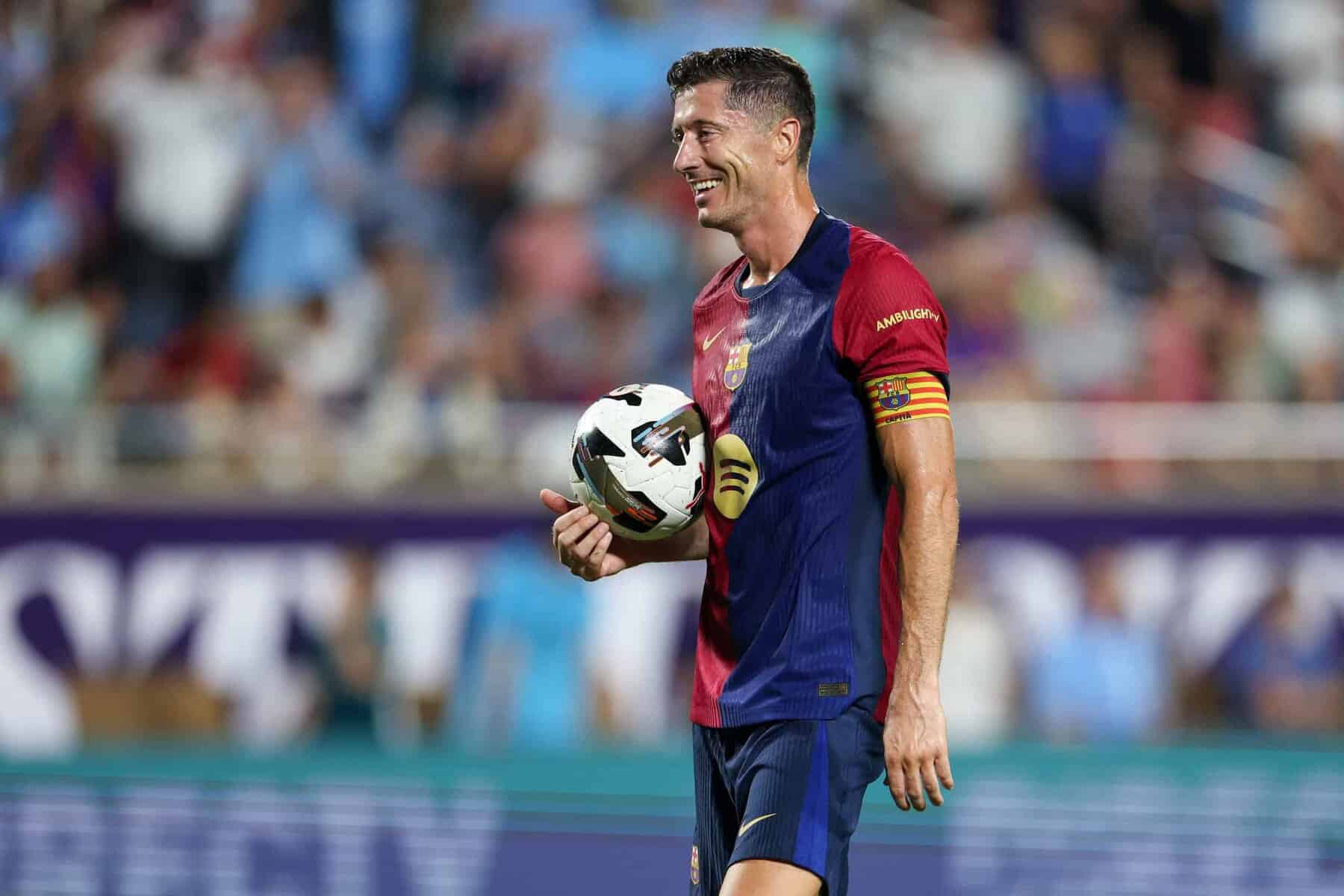
When Lewandowski walked into Camp Nou in the summer of 2022, Barcelona fans saw more than a superstar striker. They saw a lifeline. A proven scorer. A player who could steady a club wobbling through financial storms and identity crises. It’s not a dramatic breakup. It’s not a scandal. It’s simply football — the part no one likes to talk about, where time eventually catches up to even the most relentless goal machines.
A Move That Once Felt Like a Revival
When Barcelona signed Lewandowski, they weren’t just buying goals. They were buying credibility. The club had lost Lionel Messi, cycled through managers, and watched its financial situation become a global punchline. Lewandowski arrived with the aura of a player who had seen everything, won everything, and still wanted more.
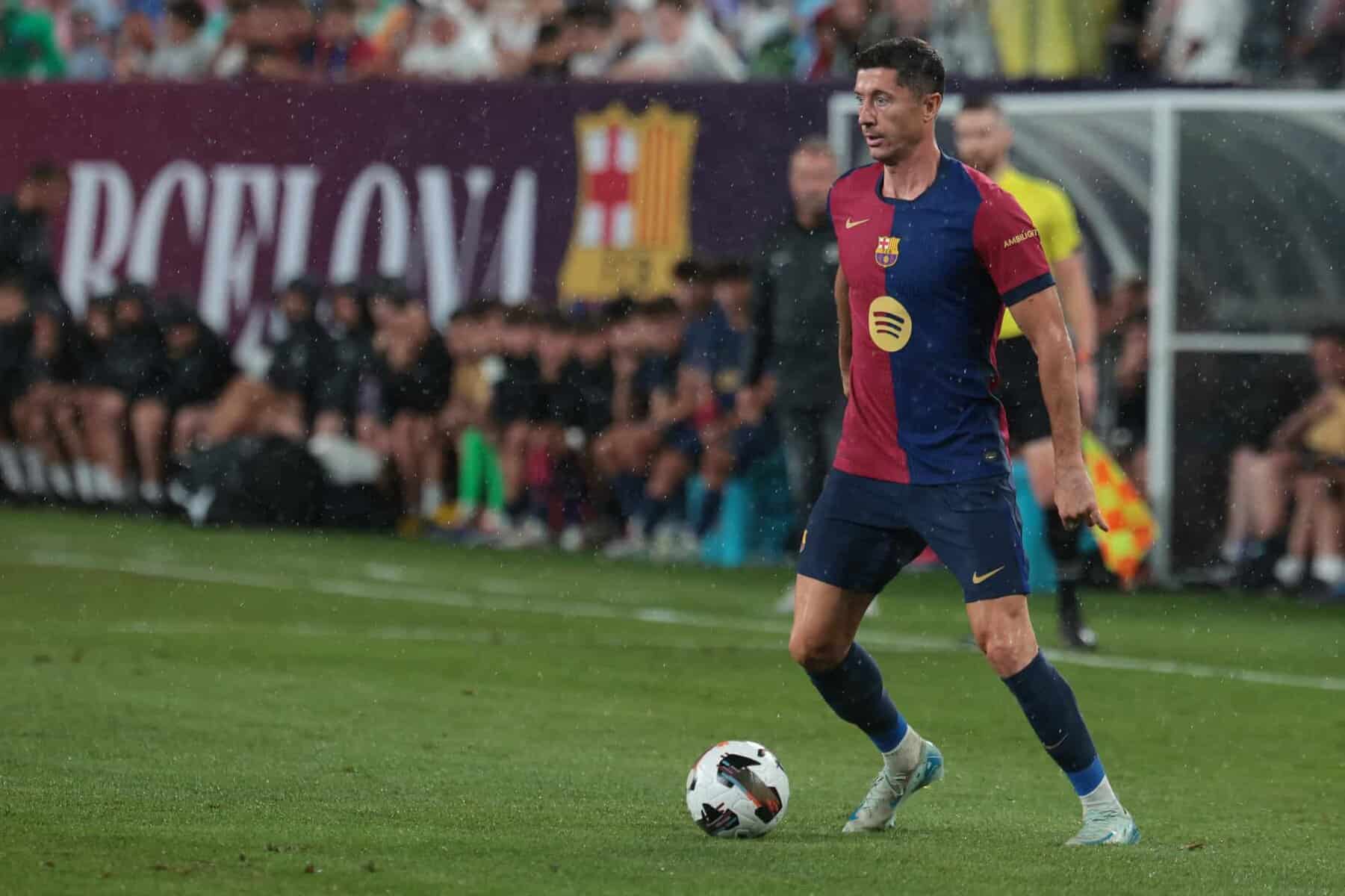
And he delivered. He scored. He led. He gave Barcelona a focal point again. His first season brought a league title and a sense of stability that had been missing since the Messi era. Even as the squad around him fluctuated — young stars rising, veterans fading, tactics shifting — Lewandowski remained the constant. But football doesn’t pause for sentiment.
The Shift in Barcelona’s Identity
Barcelona’s evolution under new leadership and a youth‑driven philosophy has been impossible to ignore. Lamine Yamal, Gavi, Pedri, and Fermín López — the club is leaning into a generation that plays fast, fearless, and free. It’s a style that demands mobility from every attacker, constant pressing, and the ability to stretch defenses vertically.
Lewandowski, even with his elite instincts, no longer perfectly fits that mold. He’s still capable of brilliance — the late runs, the clever touches, the veteran composure — but the team is moving in a direction that prioritizes fluidity over structure. And that’s where the crossroads formed.
A Veteran Who Still Has Something Left
What makes this moment complicated is that Lewandowski isn’t washed. Not even close. He’s still one of the smartest forwards in world football. He still finds pockets of space that younger strikers don’t even see. He still scores goals that matter. But Barcelona’s needs have changed. Their timeline has changed. Their identity has changed.
Lewandowski hasn’t declined so much as the club has accelerated past him. Inside the locker room, teammates respect him deeply. Coaches praise his professionalism. Fans appreciate the goals, the leadership, and the way he carried the badge with pride. But everyone can feel the shift. It’s not cold. It’s not cruel. It’s just the reality of a club trying to rebuild itself from the ground up.
What Comes Next for Lewandowski?
This is where the story gets interesting. Lewandowski isn’t retiring. He’s too competitive, too driven, too obsessed with the craft of scoring goals. A move to MLS has been whispered for months. A return to Germany has been floated. Even a late‑career adventure in the Middle East has been mentioned. But nothing is decided, and Lewandowski isn’t the type to rush a decision about the final act of his career. Wherever he goes, he’ll bring the same professionalism that defined his time at Barcelona. He’ll bring goals. He’ll bring leadership. And he’ll bring the sense that he’s not done rewriting his story.
A Farewell That Feels More Like a Thank You
If this truly is the end of Lewandowski’s Barcelona chapter, it won’t be remembered as a disappointment. It will be remembered as a bridge — a period where a world‑class striker helped stabilize a club that desperately needed direction.
He didn’t come to be a savior. He came to compete. He came to win. He came to help Barcelona rediscover itself. And in many ways, he succeeded. The next time he walks out of the Camp Nou tunnel, whether as a visitor or a legend returning home, the applause will be loud. It will be grateful. It will be emotional. Because for all the goals, all the moments, all the leadership, Lewandowski gave Barcelona something priceless: belief.
