
LeBron James Bought Into Liverpool For $6.5M And The Return Is Insane

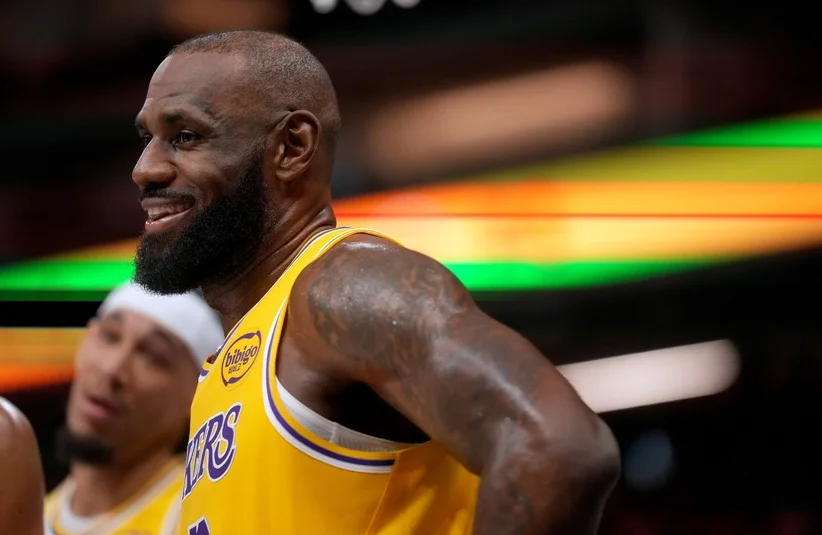
When people talk about LeBron James’s legacy, they usually focus on his transcendent basketball career, four NBA championships, multiple MVPs, all-time scoring records, and elite durability. What gets less mainstream attention is how savvy he has been with his money off the court.
One of the most overlooked chapters in LeBron’s business life is the 2011 investment that saw him acquire a 2% ownership stake in Liverpool Football Club. A decision that today looks like a masterstroke in timing, branding, and global sports economics.
At face value, it reads like a quirky footnote: a basketball superstar owning a slice of one of England’s biggest soccer clubs. However, when you put the numbers under a magnifying glass and track the club’s growth over the past 15 years. You begin to understand why this is one of the most compelling cross-sport investment stories in recent memory.
LeBron James’ Strategic Entry Into Liverpool FC And Why It Mattered
In April of 2011, LeBron James and his business partner, Maverick Carter, made headlines. Albeit quietly in the sports finance world, it acquired a 2% minority stake in Liverpool Football Club for approximately $6.5 million. At that time, Forbes estimated the club’s overall value at around $552 million, making LeBron’s slice worth roughly $11 million on paper when measured against that headline figure.
What many people don’t realize is that this investment wasn’t just a stock purchase. It was deeply strategic. Rather than simply buying equity like a traditional investor, LeBron leveraged his global brand. His marketing presence and worldwide appeal were considered part of the value he brought to Liverpool’s wider commercial expansion.
This kind of “brand-for-equity” move is rare at this scale, particularly between American athletes and European football clubs. At that point, Liverpool was already one of the storied institutions of world football, but the club was still rebuilding its global commercial engine.
Under the ownership of Fenway Sports Group (FSG), which had acquired the club the year before, the foundations were being laid for both on-pitch success and commercial growth. LeBron’s involvement signaled that global trailblazers were watching Liverpool’s trajectory.
From On-Field Success To Off-Field Valuation Explosion
What followed over the next decade and a half was a period of unparalleled success for Liverpool, both in trophies and financial growth. Under the managerial stewardship of Jurgen Klopp, Liverpool won the UEFA Champions League in 2019, also ending their long-awaited Premier League title drought in 2020.
They also captured a historic 20th league title in April 2025 under Arne Slot. These victories weren’t just great headlines; they were growth fuel. On the financial side, consistent elite performance translated into skyrocketing global revenues.
Gate receipts, broadcasting deals, commercial partnerships, and sponsorship packages expanded dramatically, reaching revenue figures in the hundreds of millions annually. That steady success across revenue streams made Liverpool an increasingly valuable asset in Forbes’ 2025 rankings, with a valuation estimated at $5.4 billion. It’s the club’s highest in history and placing it among the top four most valuable football clubs in the world.
To put that in perspective, a 2% stake in a club valued at $5.4 billion today is worth roughly $108 million. That’s more than 1500% growth on an investment that was made with brand strategy in mind as much as financial return. This value appreciation has transformed what was once a curious cross-sport gamble into a case study in long-term strategic equity plays.
Few athletes in history have had this kind of return on a non-sports investment. For comparison, traditional stocks rarely multiply fifteenfold in under 15 years without significant risk. LeBron’s position in Liverpool FC has done exactly that and linked him with one of the most legendary institutions in global sport.
The Shift To Fenway Sports Group And Diversification
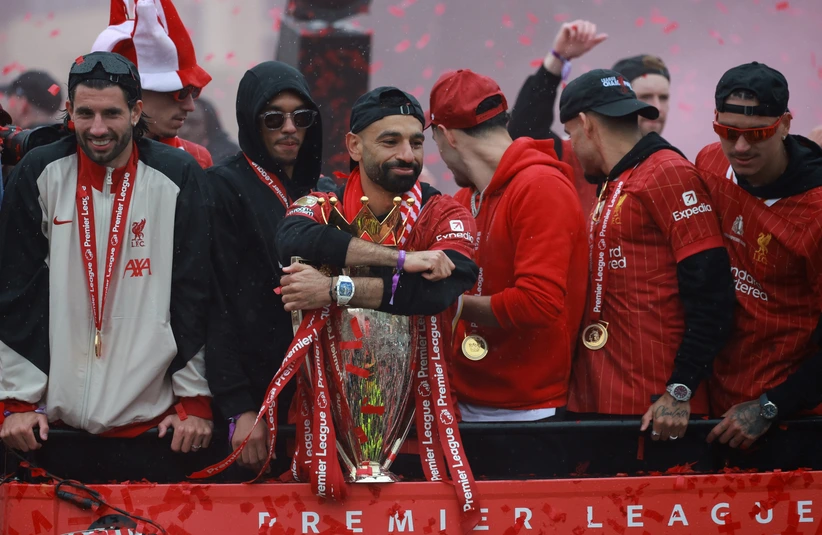
The story doesn’t stop at Liverpool. In 2021, LeBron converted his direct Liverpool share into a 1% stake in Fenway Sports Group (FSG). The parent company that owns Liverpool along with other major sports entities, including the Boston Red Sox and the Pittsburgh Penguins in the USA.
This move had two core implications. First, it diversified his exposure beyond just one club to a broader portfolio of sports franchises and entertainment assets. That means even if Liverpool hits a rough patch, the value of his stake is still supported by FSG’s overall performance.
Second, it essentially increased the value of his investment due to FSG’s own valuation growth. By 2024, Forbes estimated FSG’s total enterprise value at around $12.95 billion, which means LeBron’s 1% share of that portfolio is worth approximately $129.5 million.
That equates to nearly 20 times his original $6.5 million outlay. If you imagine any other long-term investment outcome, this sort of return would be considered phenomenal. When framed against $6.5 million invested in a typical mutual fund or real estate, the $108 million, or $129.5 million under the greater FSG umbrella, becomes truly exceptional.
What LeBron’s Investment Teaches Modern Investors
LeBron James’ Liverpool FC investment isn’t just a quirky anecdote; it’s a blueprint for how modern athletes, entertainers, and executives can think about long-term wealth creation in the age of global sports. This gives us three lessons.
First, global branding and strategic partnerships can create opportunities that no traditional balance sheet would offer alone. LeBron didn’t just buy shares. He offered brand equity and got a stake that appreciated massively.
Second, having patience and believing in the long game pays off. Liverpool’s growth was steady and consistent, not explosive overnight. Great businesses often compound value quietly over time.
Third, diversification matters. By converting his Liverpool shares into a broader FSG stake, LeBron didn’t just ride one football club’s growth; he anchored himself into a diversified sports empire.
These lessons resonate beyond athletes. They apply to anyone who wants to build a lasting financial legacy: think strategically, leverage your unique strengths, and look beyond short-term gains.
