
Why Managing Kylian Mbappé Is the Most Dangerous Job in Football

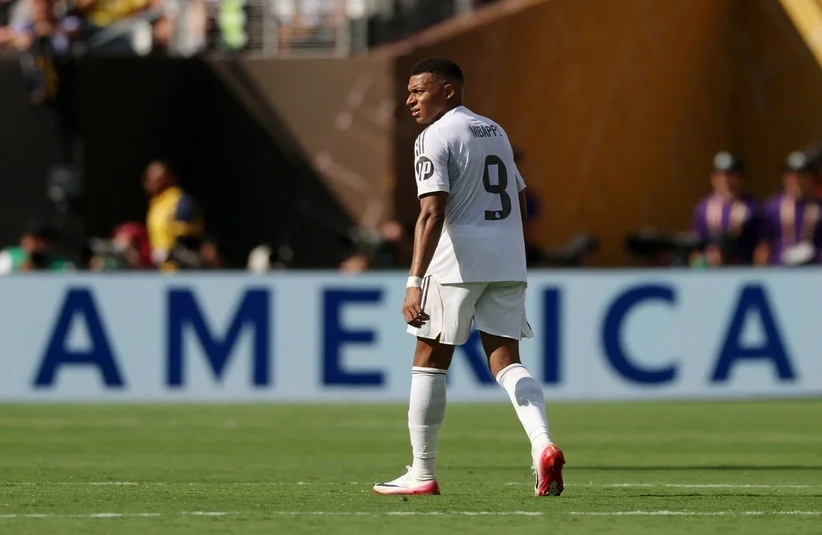
Paris Saint-Germain was once a stable powerhouse in League One and Europe, but since Kylian Mbappé’s rise to global superstardom, that narrative changed drastically. Whether in Paris or Madrid, the story has been strikingly similar: talented head coaches arrive with big ideas only to depart sooner than expected.
The pattern speaks to more than just tactical disagreements; it suggests a culture built around instant success and superstar influence. Every coach who stood on the sideline while Mbappé was playing has left early, often under pressure and scrutiny. That sequence of exits is rare in football history and deserves unpacking.
From Unai Emery in 2018 through to Xabi Alonso’s abrupt end in 2026, coaches have lasted around one and a half years on average when managing Mbappé. Some were dismissed despite winning domestic silverware. Others suffered from internal conflict or external expectation.
In Spain and France, the narrative has been similar: emphasis on short-term results, little patience for philosophical transitions, and a spotlight that makes every tactical misstep look like a crisis. Today, with Mbappé reportedly already working with Álvaro Arbeloa at Real Madrid just months after Xabi Alonso’s exit, that trend hasn’t slowed; if anything, it’s intensified.
Why Coaches Leave Quickly When Managing Mbappé
When Mbappé first arrived at PSG as a young star, expectations were simply that he would score goals and help win titles. As he matured into one of the world’s top players, that role and the accompanying pressure shifted dramatically.
Teams no longer judged success at PSG by domestic trophies alone; the Champions League became the only acceptable trophy, and anything else was failure. Unai Emery was one of the first high-profile examples. Although he led PSG to strong domestic records,
European success slipped away, and the club opted for a change in search of continental prestige. That proved to be a recurring theme. Coaches were judged not just on league results but on whether they could navigate a high-stakes European campaign, often with star players demanding tactical freedom.
Thomas Tuchel, for example, had arguably one of the most successful tenures among PSG managers before his departure. He won multiple Ligue 1 titles and brought PSG to its first Champions League final. Regardless, he was dismissed after criticism of PSG’s style and perceived stagnation.
Tuchel’s sacking came despite strong domestic results, showing that performance alone would not save a manager from impatience. These departures highlight a tension: clubs want stability but also demand spectacular results. That contradiction creates a volatile professional environment where coaches feel the clock ticking from day one.
How PSG’s Culture Exacerbated The Problem

PSG’s ownership and leadership structure hasn’t helped matters. Leadership, including sporting directors and club presidents, have often changed philosophy and messaging, creating inconsistent expectations for coaches. Building a coherent long-term project is difficult when strategic priorities shift from season to season.
Mauricio Pochettino’s experience is a key case in point. Despite winning Ligue 1 and maintaining high league performance, he was relieved of duties after PSG’s Champions League exit, a competition that remains the ultimate benchmark for the club’s ambitions.
While domestic dominance was almost automatic, European knockout competitions exposed tactical frailties that critics said Pochettino couldn’t address. His exit was framed as part of an effort to find a manager who could deliver on that elusive continental trophy.
That impatience has seen PSG cycle through more than a handful of coaches in just a few years. There were structural flaws in squad balance and alignment between players and management that coaches were expected to fix quickly.
Critics noted that PSG’s heavy reliance on individual brilliance resulted in a lack of tactical cohesion. Rather than adapting the system to its strengths and weaknesses, leaders often blamed the managers for failing to engineer consistency.
Mbappé’s presence amplified both the expectations and the pressure. With one of the most lethal attacks in Europe, any coach who attempted a deeper structural overhaul risked upsetting the ecosystem built around a superstar priority. That means coaching autonomy was limited, and every tactical nuance was under relentless public and media scrutiny.
Moving To Real Madrid Didn’t Stop The Turnover
After a long and complicated exit from PSG, Mbappé finally joined Real Madrid in the summer of 2024. That transfer itself was emblematic of the player’s stature: a career-long dream move to one of the sport’s most historic clubs.
Yet rather than bringing stability to his managerial environment, his move to Madrid almost immediately fed into continued coaching churn. At Real Madrid, Carlo Ancelotti, one of the game’s most experienced coaches, only lasted a single season since Mbappé’s arrival before departing.
His exit reportedly followed a disappointing title defense amid changing expectations and internal dynamics. Real Madrid then brought in Xabi Alonso, a rising tactical mind seen as a long-term figure.
However, Alonso’s tenure lasted barely seven months before he was relieved of his duties due to inconsistent form and locker room challenges. Especially following a Super Cup setback. This rapid turnover in Spain highlights how elite clubs approach coaching roles when superstar profiles are paired with immense ambition.
Real Madrid is historically known for rotating coaches even in strong seasons, but pairing that with the presence of a generational talent raises the stakes even further. There’s less room for gradual rebuilding; it’s immediate performance or departure.
In just eight years, spanning his time at PSG and Real Madrid, Mbappé has been coached by multiple managers who left their positions early. Each iteration reinforces the idea that coaching around him is a high-risk, short-term job.
What This Means For Future Coaches And Clubs
So what does this trend mean for football managers contemplating work with Mbappé or in similarly high-pressure environments? First, it demonstrates that managing elite talent requires more than tactical acumen. It requires exceptional communication skills, psychological insight, and alignment with the club’s strategic framework.
Coaches who assume they can implement sweeping systems overnight are quickly exposed. Modern football is not just about X’s and O’s; it’s about handling personalities, navigating media narratives, and aligning with executive visions that might change mid-season.
That’s why clubs with superstar players need to create greater structural stability if they want long-term success. They should avoid knee-jerk reactions when results dip and instead focus on supporting the head coach’s philosophy through recruitment, messaging, and patience.
For Mbappé himself, this pattern could cast a shadow over his legacy if not understood in context. His brilliance is undeniable, yet the contemporaneous pressure that comes with his status also reshapes expectations around coaching roles.
Whether that’s fair or not is another conversation, but it remains a defining narrative of the Mbappé era. Time will tell if future managers at Real Madrid can break this cycle and establish stability.
But one thing is clear: the clock already starts ticking for every coach who steps onto the touchline with Mbappé. It’s less a curse and more due to the high-stakes football culture of elite clubs. In that world of instant success and zero patience, even the most qualified coaches find their tenures measured in months instead of years.
