
Iran’s World Cup Dream Hanging by a Thread as U.S. Strikes Change Everything

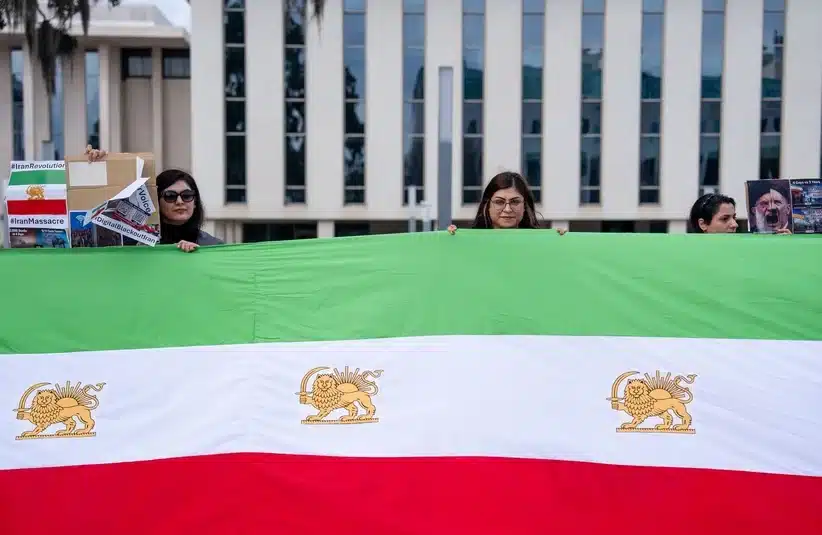
The 2026 FIFA World Cup was supposed to be a celebration. The biggest sporting event on the planet, spread across three nations, with 48 teams ready to battle it out in front of billions of fans worldwide. Then the missiles flew.
And now, one of those 48 teams is staring down a future that nobody saw coming just a few months ago. Iran is in serious jeopardy of missing the tournament entirely — not because of anything that happened on a football pitch, but because of what’s happening thousands of feet above it.
What Went Down and Why It Matters
On Feb. 28, 2026, the United States launched military strikes on Iranian territory. The geopolitical shockwaves were immediate. But for football fans, the question that followed hit differently: what does this mean for Iran at the World Cup?
It’s not a small question. Iran earned their spot fair and square, grinding through the Asian Football Confederation qualifiers and landing in Group G alongside Belgium, Egypt, and New Zealand. That’s a tough group with real stakes. Iran had every reason to show up hungry and ready.
But every single one of their group-stage matches is scheduled to be played inside the United States. That detail now sits at the center of a diplomatic firestorm.
The Man Speaking Up For Iranian Football
Mehdi Taj, President of Iran’s Football Federation, didn’t mince words. Just one day after the strikes were announced, Taj publicly raised the alarm, questioning whether it was even realistic to expect Iran to compete on American soil after being targeted by American military action.
That’s a fair question. It’s actually the only question that matters right now in the context of football. You can’t ask players to simply board a flight to the country that launched those strikes and put on a show for the cameras. The human element here is impossible to separate from the sporting one.
FIFA Is Watching, But Not Acting
FIFA Secretary General Mattias Grafström stepped in front of the cameras and delivered the kind of diplomatic response you’d expect from an organization that’s spent decades trying to keep football above politics. He confirmed FIFA is monitoring developments closely and stressed the organization’s commitment to making sure every qualified team gets to compete.
But monitoring isn’t deciding. And right now, no official changes have been made to the tournament schedule. That might change fast. The World Cup kicks off in June 2026, and there are only so many weeks left for FIFA to sit on the fence before a decision gets forced on them one way or another.
What Actually Happens If Iran Pulls Out
Here’s where things get complicated for the rest of the tournament. FIFA regulations do allow for a replacement team if a qualified nation withdraws or is formally excluded. But pulling a team out of a group this close to the tournament doesn’t just affect one bracket — it sends a ripple through the entire competition.
Group G would be redrawn or restructured. Broadcast deals built around specific matchups get disrupted. Ticket holders who bought seats specifically to watch Iran play suddenly have nothing to show for it. Sponsorship arrangements tied to Iran’s participation come under review. It’s a logistical nightmare attached to a political one.
Fans Caught In the Middle
Iranian supporters around the world are feeling this one in a uniquely painful way. Supporting your national team at a World Cup is supposed to be one of the purest forms of national pride. It’s loud, it’s emotional, it’s the kind of thing you tell your kids about years later.
Right now, those same fans are watching the news with a knot in their stomach — torn between wanting to see their team on the world stage and processing the weight of everything happening back home. There’s no easy way to hold both of those things at once.
The Bigger Picture
This situation isn’t the first time global politics has muscled its way into a World Cup. History is full of boycotts, bans, and tournaments overshadowed by events happening far from any football stadium. The 1978 tournament in Argentina. The 1980 and 1984 Olympic boycotts spilled into football culture. Russia’s exclusion from the 2022 cycle following the invasion of Ukraine.
Sport and politics have always been tangled up in each other, no matter how loudly governing bodies insist otherwise. The Iran situation is just the latest — and arguably most urgent — example of what happens when the world refuses to cooperate with a matchday schedule.
What’s Next
The next few weeks are critical. FIFA will continue to watch. Diplomatic channels between nations will either open or close. Iran’s players, coaches, and federation officials will have to make decisions that go far beyond tactics and formation sheets.
The 2026 World Cup was built on the idea of unity — three countries hosting the world, football doing what football is supposed to do. Right now, that idea is being stress-tested in a way nobody planned for.
Whether Iran lines up in Group G this June is still an open question. But the story of how this all plays out — on the pitch, in the boardrooms, and in the halls of government — is already one of the most gripping subplots of the tournament. And it hasn’t even started yet.
FAQ SECTION
Q: What happened in Iran’s case?
A: U.S. military strikes on Iran have raised doubts about Iran’s ability to compete in the 2026 World Cup.
Q: Who is involved?
A: Iran’s Football Federation, FIFA, and the U.S. government are central to the situation.
Q: Why is this news important?
A: It highlights how international conflict can disrupt global sporting events, affecting fans, players, and organizers.
Q: What are the next steps?
A: FIFA will monitor developments. Iran must decide whether to participate, and FIFA may need to consider a replacement team if Iran withdraws.
Conclusion
Iran’s World Cup 2026 participation continues to develop as officials, experts, and the public respond to the latest updates. This story will remain important as new information emerges, with FIFA balancing its commitment to fair play against the realities of global conflict.
