
Pep Guardiola Breaks Rank: The Manchester City Boss Just Called Out the World On Gaza

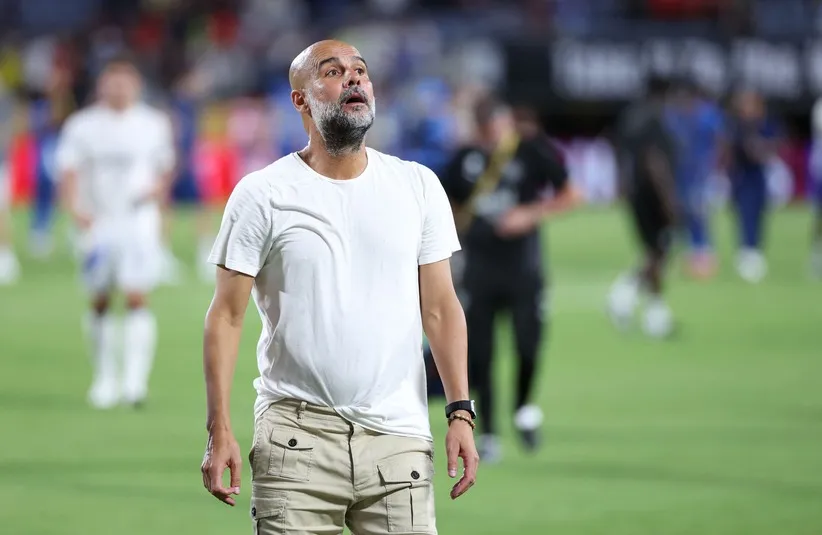
When you think of Pep Guardiola, your mind probably goes straight to tactical genius, possession-based football, and Premier League dominance. You think of a man obsessing over midfield triangles and defensive lines. But recently, the Manchester City manager stepped away from the tactics board to address something far more critical than a title race.
In a move that has stunned the sports world and resonated far beyond the pitch, Guardiola has broken the silence regarding the humanitarian crisis in Gaza. Speaking at a Palestine aid event, he didn’t offer the usual safe, PR-friendly soundbites we’ve come to expect from elite sports figures. Instead, he delivered a scathing critique of the global community, accusing world powers of abandoning the most vulnerable victims of the conflict: the children.
More Than Just a Manager
This wasn’t a post-match interview where a manager complains about a refereeing decision. This was Guardiola standing in Istanbul, looking at the reality of a humanitarian disaster, and choosing to speak up.
His message was stark and uncomfortable for many to hear. He highlighted the deafening “global silence” that has surrounded the escalating crisis. Guardiola pointed out a simple, heartbreaking truth: thousands of civilians are suffering from severe shortages of food, medicine, and shelter.
By focusing his comments specifically on the children caught in the crossfire, Guardiola humanized a conflict that often gets reduced to statistics and political talking points. He essentially asked the world: How can we watch this happen and do nothing?
Why Guardiola Speaking Out Changes the Conversation
It is rare for a figure of Guardiola’s stature to wade this deep into geopolitical waters. In modern sports, athletes and managers are often encouraged—or contractually obligated—to stay neutral. They are brands, designed to appeal to everyone and offend no one.
But he has never been one to shy away from what he believes is right. We’ve seen this before with his vocal support for Catalan independence. He isn’t just a football manager; he’s a citizen of the world who seems increasingly frustrated by the inaction of those in charge.
When someone with the platform of the Manchester City manager speaks, people listen who might otherwise scroll past a news headline. His comments bridge the gap between the sports pages and the front pages, forcing a demographic of fans to confront uncomfortable realities.
The Ripple Effect: Sports, Politics, and Humanity
The reaction to Guardiola’s statement was immediate. Social media lit up. On one side, you have the “stick to football” crowd, who believe entertainment figures should remain silent on serious issues. On the other, there is a massive wave of support from human rights advocates and fans who feel validated seeing an icon voice their own frustrations.
Human rights experts have noted that comments like these are crucial. They validate the work of aid organizations on the ground who have been screaming into the void for months. When Guardiola says the world has “turned its back,” it amplifies the pleas of humanitarian groups.
FAQ Section
Q: What happened at the Palestine aid event?
A: Pep Guardiola condemned global silence on Gaza and accused world powers of abandoning children.
Q: Who is involved?
A: Guardiola, Palestinian aid organizations, and indirectly global leaders.
Q: Why is this news important?
A: It highlights the humanitarian crisis in Gaza and the role of sports figures in global advocacy.
Q: What are the next steps?
A: Continued advocacy, fundraising, and potential pressure on governments to act.
What Happens Now?
The cynical view is that a football manager’s words won’t change foreign policy. And perhaps, directly, they won’t. But culturally, the impact is undeniable. Guardiola has broken the seal. He has made it safer for other high-profile athletes to voice their concerns without fear of being the “only one.”
We are already seeing increased attention on fundraising efforts and awareness campaigns following his speech. The question now is whether this pressure will translate into the political sphere. Will governments feel the heat as cultural icons start pointing fingers?
Regardless of the political outcome, one thing is clear: Guardiola has ensured that the silence he criticized is no longer quite so loud. In a world of carefully curated public images, his willingness to speak out is refreshing.
