
FIFA On Trial Over Donald Trump Trophy: Complaint Alleges Infantino Broke Rules To Coronate A President

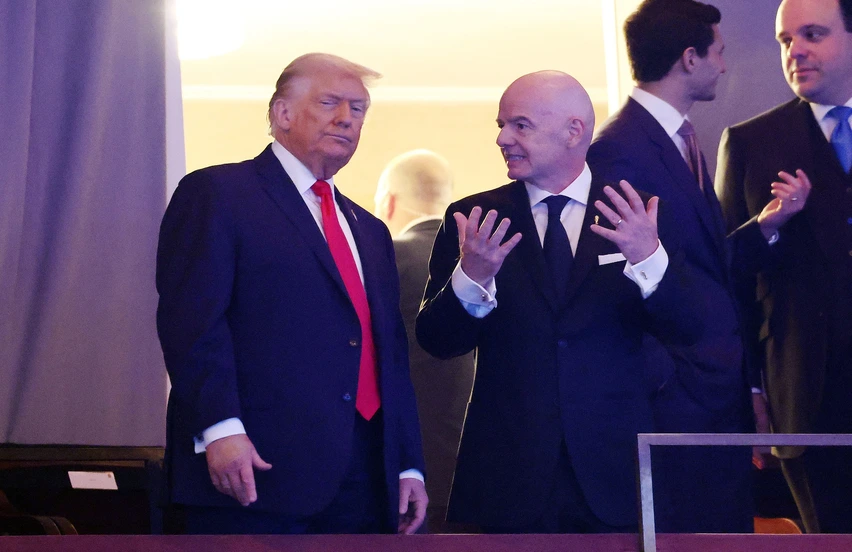
A storm has erupted around the world football’s governing body after an unprecedented ceremony at the Kennedy Center during the World Cup draw. FIFA President Gianni Infantino presented what was billed as the organisation’s inaugural Peace Prize to President Donald Trump.
Critics from across the political and sporting spectrum described the spectacle as tone deaf and possibly improper for an organisation that is supposed to remain politically neutral. The optics alone were damaging. The award was created and awarded in the context of a high-profile FIFA event staged on US soil, with a serving national leader as the recipient.
Observers pointed to the curious timing and the brass and glitter of the trophy itself as evidence that the prize served public relations aims more than any clear, independent standards for peace promotion. Comedians and columnists seized on the moment, which amplified the controversy into mainstream commentary.
Complaint Alleges Repeated Breaches Of Political Neutrality
An eight-page complaint filed by governance watchdog FairSquare asks FIFA’s Ethics Committee to investigate what it describes as repeated breaches of the duty of political neutrality by Infantino. The Associated Press confirmed the presentation and captured Trump’s warm embrace of the award during the televised event
The filing spells out alleged incidents and statements it says show a pattern of partisan endorsement and that the creation and awarding of the Peace Prize lacked a transparent process and appropriate institutional safeguards. The Athletic reported on the complaint after seeing the filing.
Significant elements of the complaint focus on Article 15 of the FIFA Code of Ethics, which requires officials to avoid public political positions. Complainants argue that awarding a prize to a sitting and highly polarising political figure during an official FIFA ceremony crosses the line from diplomatic courtesy into political endorsement.
The complaint asks FIFA to investigate both Infantino’s conduct and the internal process that produced the prize, including who designed the award and how recipients were chosen. The Guardian’s reporting has also raised questions about who was involved behind the scenes in setting up the Peace Prize.
How The Prize Was Created And Why That Matters
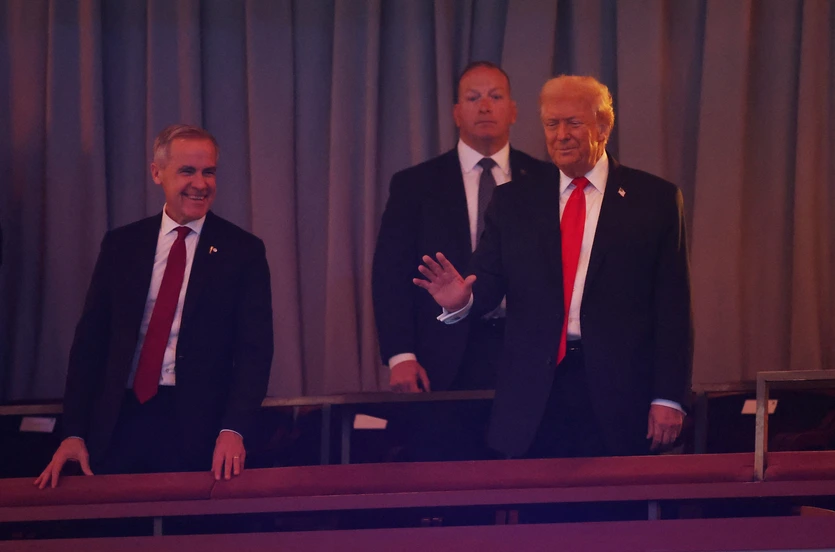
FIFA’s Peace Prize is new, and the institutional architecture for it appears thin. Investigations by mainstream outlets revealed that the committee and advisory structures set up to propose future recipients included controversial figures and that some of those connected with the prize have problematic reputations in human rights terms.
The Guardian reported that a man linked to Myanmar’s junta was given a role behind the prize, which has increased concern that the new accolade was not subject to rigorous scrutiny. Critics say a prize with global symbolic power demands transparent rules and independent vetting.
Questions also surround whether FIFA sought external validation or consulted established peace organisations before handing the prize to a sitting head of state. FIFA has framed the award as an attempt to harness football’s unique convening power to promote peace. Statements from FIFA spokespeople framed the initiative as a positive outreach effort.
However, the absence of clearly publicised selection criteria has allowed critics to characterise the award as ad hoc and possibly tailored to flatter a political ally. The National put the event in a broader context of pragmatic diplomacy and realpolitik, while others saw it as a case of sportswashing.
What Happens Next And Why It Matters For Football
FIFA’s Ethics Committee has a formal path to investigate complaints. The acceptance of the complaint and any subsequent inquiry will test FIFA’s willingness to police political neutrality at the highest level.
If investigators find breaches of the Code of Ethics, they could recommend sanctions, including reprimands or more serious governance actions. Observers warn that how FIFA handles this will shape public trust in the organisation at a time when scrutiny over transparency and human rights has been intense.
A decision either way will have consequences beyond the individuals involved. Football’s global reach means FIFA’s actions set the tone for national associations and sponsors. Players like Messi, Ronaldo, Mbappe, and other greats would not prefer politics to be involved in the sport by any means.
Many civil society groups have been clear that sports organisations cannot have double standards when it comes to human rights and political neutrality. The complaint’s request to probe the selection process for the Peace Prize could force FIFA to publish the criteria and the names of those who advised on the award. Greater transparency would be one way to start rebuilding trust.
Closing Perspective
This controversy combines ritual spectacle with substantive governance questions. The ceremony served short-term theatre but created a long-term headache for an organisation already sensitive about impartiality and legitimacy.
An ethics inquiry will either provide vindication if no breach is found or will force painful reforms if FIFA is judged to have allowed politics to creep into what should be an apolitical institution. Either outcome will matter to fans, players, national associations, and to the idea that sport can remain a neutral forum for people across political divides. Readers should expect the story to evolve quickly as FIFA responds and as the Ethics Committee considers FairSquare’s complaint.
