
Dani Alves Set To Come Out Of Retirement And Play Again At 42

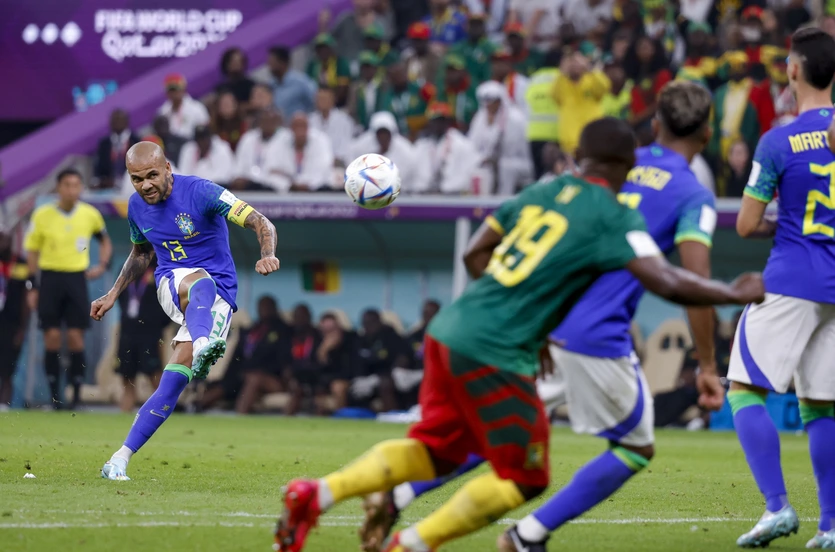
Football rarely delivers stories this strange, this layered, and this hard to ignore. Dani Alves, one of the most decorated players the game has ever seen, has officially completed the purchase of Sporting Clube de São João de Ver, a club competing in Portugal’s third division.
Even more remarkable, the Brazilian icon is seriously considering a six-month return to professional football. A potential playing spell planned between January and June 2026. At 42, Alves is no longer chasing trophies or headlines in elite stadiums.
Instead, he appears determined to rewrite the final pages of his career on his own terms. Far away from the glare of Europe’s biggest leagues but firmly under the spotlight of global curiosity.
From Global Stardom To Club Ownership In Liga 3
For most footballers, retirement means disappearing quietly or stepping into punditry. Alves has chosen a far less predictable route. Backed by a Brazilian investment group, he has secured a majority stake in the SAD structure of Sporting Clube de São João de Ver, a historic but modest club founded in 1929 and based in northern Portugal.
The move is strategic rather than sentimental. Portugal has long been viewed as a gateway league for South American talent, and São João de Ver already boasts several Brazilian players within its squad.
Alves sees an opportunity to blend experience, identity, and ambition in a division that rarely attracts international attention.
Liga 3 is not glamorous. Stadiums are smaller, budgets are tight, and exposure is limited. That is precisely why Alves’ arrival matters. His presence alone brings visibility, credibility, and commercial interest to a club that has lived mainly outside mainstream football discourse. Ownership is only the first part of the story. Alves is not arriving as a distant investor. He wants involvement, influence, and impact, both off the pitch and potentially on it.
A 42-Year-Old Comeback That Feels Almost Unbelievable

The most eyebrow-raising element of this entire saga is Alves’ intention to register himself as a player. According to reports, he is weighing up a six-month playing deal, beginning in January 2026 and running until the end of the season in June.
His last competitive appearance came on January 8, 2023, while playing for Pumas UNAM in Mexico. Since then, nearly three years have passed without professional football. Age, inactivity, and the physical demands of the modern game all point in one direction. Reality, however, has never been something Alves feared.
Sources close to the situation suggest he has maintained individual training and believes he can reach acceptable match fitness within 30 days. This is not about playing every week or carrying a team. It is about presence, leadership, and closing a career that once seemed destined to end far differently.
The idea of a player-owner at 42 feels almost outdated in today’s football landscape, yet that is exactly what makes this story resonate. Alves wants control over his ending. No farewell tour, no scripted goodbye, just football in its rawest form.
Glory, Fallout, And A Career That Refuses To Be Simplified
Any attempt to frame Dani Alves purely as a comeback story would be incomplete without acknowledging the complexities of his journey. On the pitch, his legacy is unquestionable. 41 major trophies, multiple Champions League titles with Barcelona under different top managers such as Pep Guardiola and Luis Enrique.
He achieved domestic dominance across Europe, and continental success with Brazil placed him among football’s most successful players. Few defenders have shaped modern football the way Alves did. His right flank partnership with Lionel Messi is something we might never ever see again in football.
Off the pitch, his story darkened dramatically. Following allegations of sexual assault in Spain at the end of 2022. Alves was arrested in early 2023 and spent more than a year in preventive detention.
In 2024, he received a prison sentence that appeared to close the book on his career entirely. That chapter shifted again in 2025, when the Tribunal Superior de Justiça da Catalunha unanimously overturned the conviction due to insufficient evidence.
Prosecutors have since filed appeals, meaning legal proceedings remain active, but the ruling reopened doors that once seemed permanently closed. During this period, Alves largely withdrew from public life.
In recent months, he has been seen preaching in evangelical churches in Spain, signaling a personal transformation that mirrors the professional reinvention now unfolding in Portugal. This context matters. His return to football ownership and potential playing duties is not happening in isolation. It is part of a broader attempt to rebuild identity, purpose, and relevance after years of turbulence.
Why This Move Matters Beyond One Man
Dani Alves buying a Liga 3 club is not just a curiosity. It represents a shift in how former elite players may approach life after football. Rather than buying stakes in global brands or sitting on boards, Alves has gone local, hands-on, and deeply involved.
For Sporting Clube de São João de Ver, the benefits are immediate. Media attention, commercial interest, and increased scouting visibility all arrive with his name.
For Liga 3, the ripple effect could be significant, drawing eyes to a division that rarely breaks into international conversations. There is skepticism, of course. Questions around fitness, motivation, and intent remain valid. Some will view this as symbolic rather than sporting.
Others see it as a genuine attempt to contribute while closing a chapter that never received a proper ending. Either way, football thrives on stories like this. Imperfect, unpredictable, and deeply human.
Whether Alves ultimately steps onto the pitch or limits his influence to the boardroom, his presence in Portuguese football is already reshaping narratives. This is not about reclaiming past glory. It is about control, redemption, and writing an ending that feels personal rather than imposed.
One thing is certain. When January 2026 arrives, all eyes will be watching a small club in Portugal, led by a man who refuses to let his story fade quietly.
