
Bruno Fernandes Wants £400k A Week To Stay At Manchester United

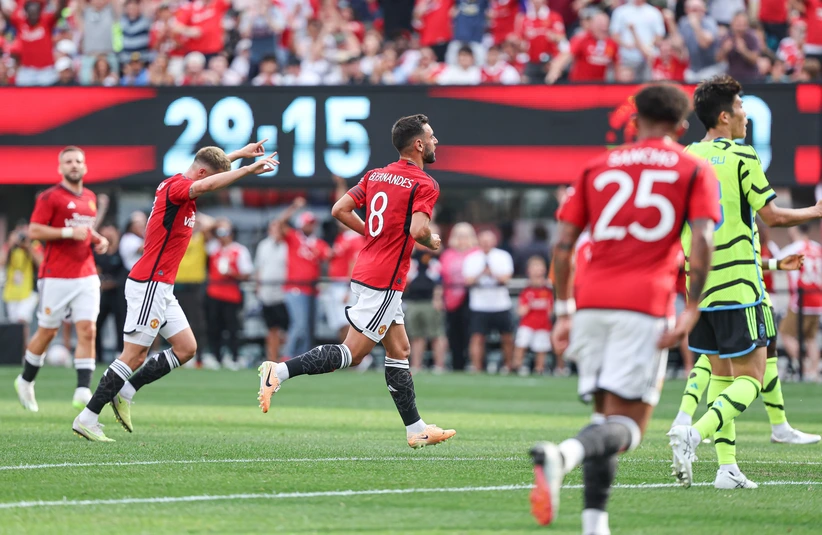
Manchester United are once again engulfed in contract drama, this time surrounding their captain and talisman, Bruno Fernandes. As the Red Devils navigate another season of transition, the Portuguese midfielder has reportedly made a bold wage demand that has sent shockwaves through the Premier League and around Old Trafford.
According to multiple sources, including GoalTurkiye and The Mirror, Fernandes has made his desire to remain at Manchester United clear. However, he wants his salary increased to around £400,000 per week as a condition for signing a new deal.
This figure would make him the highest-paid player in United’s squad and represents a significant escalation from his current wage packet. While such demands might sound extravagant to many, digging deeper into the context reveals why this negotiation is one of the biggest contract stories of the January transfer window.
Bruno Fernandes Explains His Contract Demands And What They Mean For Man United
Bruno Fernandes has been a key figure at Manchester United since arriving from Sporting CP in January 2020. His influence has been profound both on and off the pitch, acting as leader, creator, and the emotional core of this somewhat inconsistent United side.
This season alone Fernandes has delivered impressive numbers, contributing goals and assists at pivotal moments. Underlying why he feels his current contract does not reflect his importance. Reports today state that Fernandes expects his weekly salary to be raised to £400,000 should he commit his long-term future to the club.
For perspective, this demand would propel Fernandes above most of his teammates in the United wage structure.
Current figures show him earning around £240,000 per week, which already makes him one of the better-paid players at Old Trafford. A £400,000 weekly deal would not just be a raise; it would elevate him into elite earnings territory among the world’s top footballers.
From Fernandes’s perspective, this request could be viewed as both logical and timely. He is in his early 30s, aware that any new contract he signs might be the last big deal of his career. He wants to ensure both recognition and financial security while he still performs at a high level.
Another key element in these negotiations is the managerial situation at United. The club is still finalising plans for a permanent head coach, and the future direction of the squad is uncertain. Fernandes is reportedly using his contract talks to also seek clarity on the club’s long-term ambitions. That suggests this is about more than money; it’s about legacy and leadership.
Why United Face A Tough Decision On Fernandes’ Future
Few players in recent United history have carried as much weight as Fernandes has in terms of influence. He is a captain and a creative fulcrum, qualities that give him leverage. However, Manchester United are currently under financial and sporting pressure.
The club’s wage structure is already one of the largest in the Premier League, and breaking it further to accommodate a £400,000-a-week contract will not be easy.
Even with the club having the option to extend existing contracts into 2027, splurging on wages might limit spending in other areas, such as transfers. Sport also reports that part of United’s financial strategy could involve player sales this summer to free up funds.
This includes potentially moving established names and not just fringe players. With patterns emerging that could see some senior members depart, such as Casemiro, balancing books and squad quality becomes a managerial and executive challenge.
Add to this the fact that Saudi Pro League clubs have been persistent in trying to lure Fernandes previously with far higher wages, at one point offering as much as £700,000 per week. Fernandes reportedly rejected those offers in 2025 because he wanted to continue playing at a high level in Europe, which underscores his passion for competitive football and loyalty to United.
This paints the picture of a player torn between financial reward, professional ambition, and a genuine love for Manchester United. Staying means honouring his leadership role, but only if the club shows commitment to matching his worth.
What This Means For The Premier League And Transfer Window
If Bruno Fernandes and Manchester United fail to reach an agreement, the consequences could extend far beyond the Old Trafford boardroom. First, the spectre of a summer departure cannot be ignored.
With talent like Fernandes, who still offers value at the highest level, clubs both within Europe and abroad could be tempted to launch bids if he appears unsettled. A release clause reportedly exists that might allow him to leave for a fee in the mid-double-digit millions, a fairly modest total given his quality.
Second, United’s negotiating stance could influence market dynamics. If a club of United’s size is forced to offer a record-level deal just to retain a captain, it could push other Premier League teams to reassess how they structure contracts for their own stars.
In a league where competition for elite midfield talent is fierce, Fernandes’s case will be studied closely. Third, the psychological impact on the squad is real. Senior players often set a tone.
By either retaining Fernandes with a marquee contract or losing him due to wage disputes, United will send a clear signal about their ambition or lack thereof. Both outcomes have implications for recruitment, morale, and season goals.
Finally, beyond United, rival clubs like Manchester City, Arsenal, Liverpool or Chelsea could view any destabilisation at Old Trafford as an opportunity to target top players. Not least someone of Fernandes’s calibre.
Can Manchester United Bridge The Gap Or Is A Rift Forming?
At the heart of this story is not a confrontation but a negotiation. Bruno Fernandes genuinely appears willing to stay at Manchester United if the terms are right. However, those terms revolve not only around a huge salary increase but also a belief that the club shares his vision.
History shows that big contract disagreements can go either way. Some end with renewal and celebration; others with acrimony and exits. For United, closing this chapter positively means meeting the demands of a marquee figure while also demonstrating a strong strategic direction on and off the pitch.
For fans, neutrals, and Premier League watchers, this saga is more than a contract rumour. It represents a crossroads for Manchester United — a moment where they must decide what they value most as they look toward future glory.
