
Is This Bruno Fernandes’ Final Season At Manchester United? Inside The Growing Exit Talk

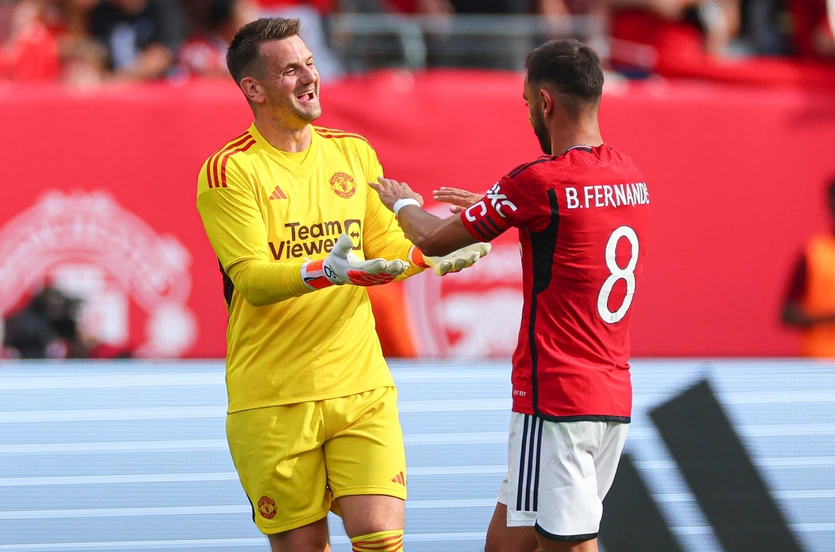
There’s a storm brewing around Bruno Fernandes’ future at Manchester United. The latest revelations from the club captain himself have reignited one of the most significant transfer sagas in recent Premier League memory.
After years of loyalty, leadership, and consistently high performances, Fernandes publicly suggested that the Old Trafford hierarchy were more than willing to let him leave this past summer.
Saudi Arabian club Al-Hilal came calling with an astonishing offer. His comments have sparked debate among fans, pundits, and the wider football world about whether this season could genuinely be his last in red.
Inside The Dressing Room: What Fernandes’ Words Really Mean
In what might be the most candid interview of his career, Fernandes claimed that United were eager to sell him during the summer transfer window.
This happened after Al-Hilal tabled a huge bid worth around £100 million, with wages reported up to £700,000 per week. He didn’t just talk about interest. He talked about how the club wanted him to go.
A remark that struck at the very heart of United’s culture and its relationship with arguably its most influential player in the 2020s. Fernandes said he felt the club’s priorities had shifted, indicating that money had become more important to those running Manchester United than long–standing loyalty.
The Portugal international insisted he stayed because of strong ties with the coach Ruben Amorim and his own love for the club. He went as far as suggesting that if he had wanted to leave, the club would have happily sanctioned the move.
Strategic Implications For Manchester United
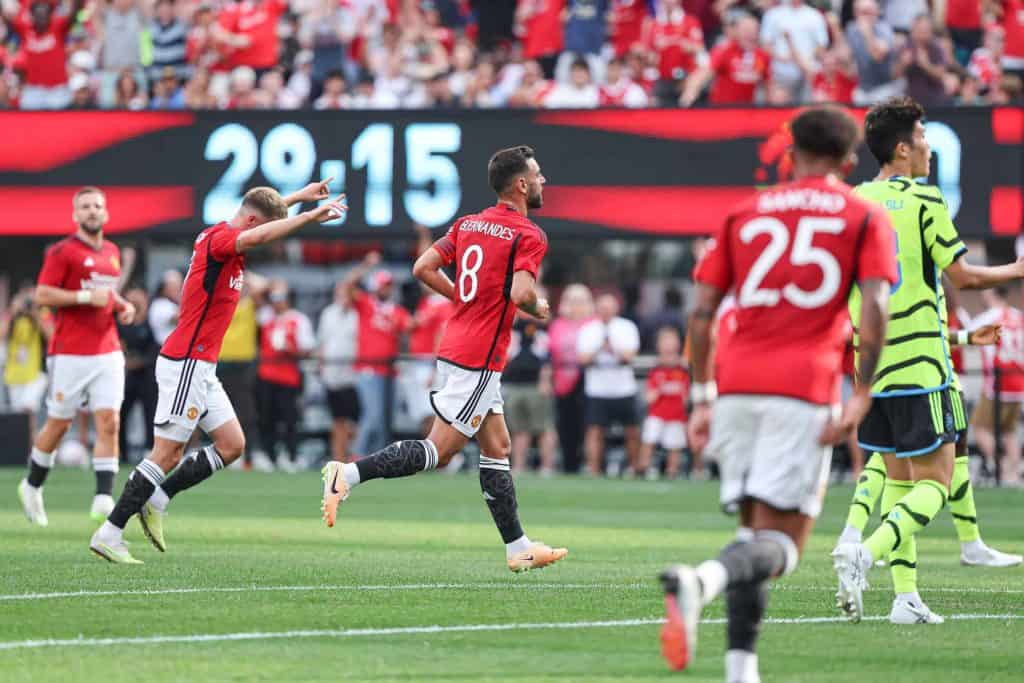
From a tactical standpoint, Fernandes has been central to Manchester United’s build-up play since his arrival from Sporting CP in January 2020. His goal contributions, leadership, and ability to unlock defences are elite.
Losing him, especially without a ready successor, would leave a massive creative void. On the pitch, United’s struggles this season have intensified the question over his future.
Despite United scoring the most goals in the league just behind Manchester City, and not far off from the Champions League spots, they’ve been inconsistent and have dropped unnecessary points. United’s lack of progress could convince Fernandes that his best years might be spent elsewhere.
Sources close to Football Insider have suggested that if United fail to show marked improvement, Fernandes could reassess his stand. Financially, Manchester United are in a precarious spot. Under the supervision of co-owner Sir Jim Ratcliffe, the club has been trying to balance competitiveness with sustainability.
Manchester United’s wage bill is enormous, but selling Fernandes would generate significant profits that could be reinvested in new talent. A tempting proposition for the United hierarchy, who may feel stuck between sporting ambition and fiscal restraint.
However, trading a player of Fernandes’ calibre for financial comfort would be a gamble. There are few midfield creators in the world who can influence a game the way he can. United’s scouting system would face intense scrutiny if they failed to replace his creativity effectively.
The Saudi Factor And European Interest
Interest in Fernandes is not limited to Saudi Arabia. Earlier reports had suggested that European giants, including Bayern Munich, among others, could see an opportunity to lure Fernandes with top–level football and silverware ambitions.
Although Saudi Arabia’s Al-Hilal have been the most vocal suitors with a massive offer on the table last summer. There remains an undercurrent of belief in European circles that a move to Italy or Spain could also appeal to the veteran midfielder.
He publicly admitted to considering leagues like Serie A and La Liga for his future. A move to Bayern, in particular, would provide Fernandes with a platform to compete in the UEFA Champions League. That is something that his current Manchester United side are not guaranteed this season, or even the next.
With Bayern consistently challenging for the Bundesliga title and making deep runs in Europe, it’s an attractive proposition for any player still hungry for success. Likewise, Saudi Arabia’s transformational spending, led by clubs like Al-Hilal and backed by enormous financial resources, continues to reshape the world’s transfer landscape. Although Fernandes turned down a Saudi mega-offer in the summer, the sheer scale of those contracts will make any future approach hard to ignore.
What Happens Next At Old Trafford
So where does this leave Manchester United in the short and long term? For starters, Fernandes has made it clear that he’s not immediately jumping ship.
His commitment to the club, at least for now, remains intact. He chose to stay this summer despite the lure of astronomical wages and remains focused on his role as captain. But the injury to his pride could have long-lasting effects. When a captain publicly suggests that the club was happy for him to leave, it cuts deep.
Dressing room morale, fan sentiment, and internal dynamics could all be affected. Every sidelined remark, every quiet transfer decision, suddenly carries more weight. Manager Ruben Amorim is now in a delicate position: he must protect the harmony of the squad while also building a competitive team around a leader who might feel undervalued.
That balance will be challenging but crucial. In the coming months, United’s performance in the league, cup competitions, and any potential European exploits will heavily influence whether this truly becomes Fernandes’ final campaign at Old Trafford. If progress is made and United start winning consistently, the narrative could shift toward stability and trust. If not, the speculation may become reality.
