A Wild Windshield Design that Makes F1 Faster and Safer

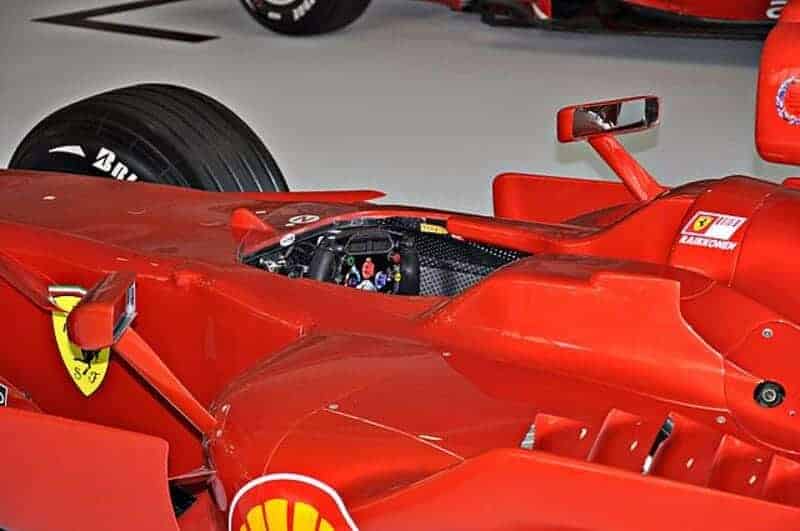
If you have ever zoomed in on an F1 car’s tiny windshield (yes, that slim, curved bit in front of the driver), you might have noticed something strange: jagged, tooth-like edges lining the top. They look like a styling quirk, but they are actually a clever solution packed with purpose and performance. In a sport where every fraction of a second counts, nothing is just for show, and that includes the tiniest details. These little zigzag patterns are surprising in how F1 cars slice through the air, protect the driver, and improve control in even the most punishing conditions. It is a detail that is easy to miss but impossible to ignore once you understand its importance.
Precision Air Movement
One of the biggest challenges in F1, outside of going fast, is keeping the car stable while doing it. At over 200 mph, even a puff of wind hitting the wrong angle can throw everything off or destabilize the vehicle. That is where the jagged windshield edge comes in. By breaking up the air into smaller chunks, or vortices, these serrated patterns help the car cut through the airflow more smoothly and predictably. It sounds counterintuitive, but creating “organized chaos” in the air keeps the car better balanced, reducing drag and improving overall aerodynamics very specifically.
These edges also help the driver more than most people realize. Too smooth airflow can swirl behind the windshield and knock the helmet around, especially in crosswinds or slipstream scenarios. The jagged design manages that flow better, guiding it up and away so the driver does not feel inside a hurricane. It helps reduce helmet movement and makes steering feel less twitchy in high-speed straights and braking zones. A smoother ride matters in a car where even the driver’s posture is fine-tuned.
And unlike a big rear wing or flashy logo, these details fly under the radar, literally and visually. Most fans would not spot them without a close-up or slow-motion replay. But the drivers feel the difference every lap, especially during intense wheel-to-wheel battles. That little line of zigzags could be why they see the apex, hold their head steady in a high-speed corner, and trust the car more. In F1, that is a real edge (no pun intended), and one worth preserving.
Comfort and Control at 200 MPH
When strapped into an F1 cockpit, comfort is not about cushions. It is about airflow management and physical strain. Wind pressure can become a surprisingly powerful force at those extreme speeds, adding stress to every part of the driver’s upper body. That is why the design of every surface around the driver matters immensely. The jagged edge on the windshield acts like an innovative vent system, redirecting pressure that would otherwise batter the driver’s helmet and neck. It keeps their head still, their vision sharp, and their focus where it needs to be, lap after lap.
Without that airflow management, the ride becomes a battle against the elements as much as against opponents. Helmets can buffet, neck muscles tire quickly, and minor distractions become big risks in a split second. The jagged windshield edges take that fight off the driver’s plate by managing airflow and turbulence more effectively than a smooth surface ever could. They are part of the driver’s armor against fatigue, disorientation, and visual strain during a 90-minute race filled with G-forces and tight margins.
And let us not forget the safety angle, which plays a silent but vital role. Clean, predictable airflow reduces the chances of debris swirling into the cockpit area or creating sudden side gusts. It is not a bulletproof shield, but every bit of wind control helps make that open car less exposed to randomness. In a sport where margins are razor-thin and risks are everywhere, a slight change in air direction can mean a massive shift in control. And that is what F1 is all about. Precision with a purpose, even in the tiniest of cuts.
Conclusion
It might look like a quirky design choice, but the jagged edge of an F1 windshield is a hard-working feature doing double or even triple duty. It cuts through the air, keeps drivers comfortable, and helps make every lap safer, smoother, and stable. In a sport obsessed with performance, balance, and refinement, even a minor detail can give drivers the edge they need to shave off precious milliseconds. F1 is very much about the thoughtful, subtle touches that make all the difference when it matters most. So next time you catch a close-up of an F1 cockpit, take a second look. Those little teeth are doing a whole lot of heavy lifting.