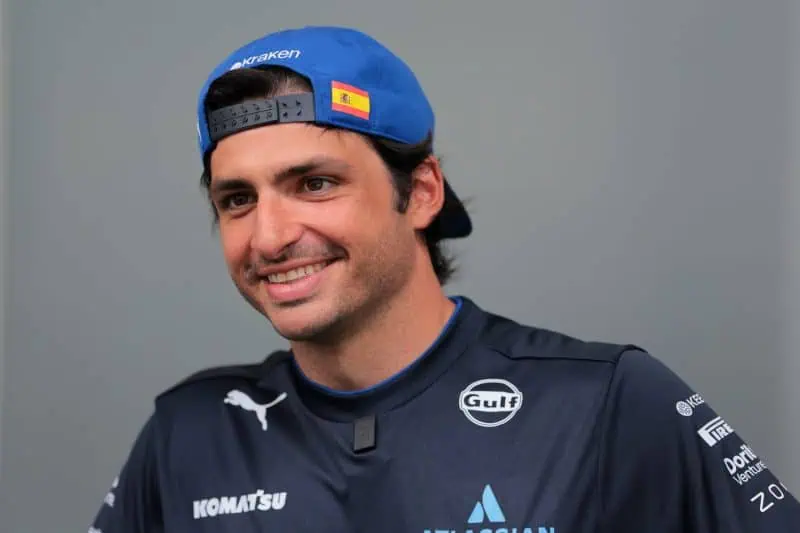
Williams’ Right of Review Victory: Justice Finally Served for Carlos Sainz

The stewards got it wrong at Zandvoort, and Williams knew it. After weeks of fighting through the bureaucratic maze of Formula 1’s appeals process, justice finally arrived for Carlos Sainz and the Grove-based team. The successful Right of Review over that controversial 10-second penalty has vindicated what many of us saw with our own eyes during the Dutch Grand Prix.
Watching the replays from multiple angles, it was clear this wasn’t the black-and-white incident the stewards initially made it out to be. Racing incidents occur every weekend in Formula 1, but somehow this one was portrayed as Sainz being solely at fault. The Spanish driver deserved better, and Williams fought tooth and nail to prove it.
The Initial Controversy That Sparked Outrage
When Carlos Sainz made contact with Liam Lawson’s Racing Bulls at the end of Lap 26, the racing world held its breath. These wheel-to-wheel battles at 200mph separate the great drivers from the good ones, and both pilots were pushing their machines to the absolute limit.
The stewards initially saw fit to slap Sainz with a 10-second penalty and two penalty points, effectively ruling him the villain in what should have been classified as hard racing. The timing couldn’t have been worse for Williams. Every point matters when you’re fighting in the midfield, and watching potential championship positions slip away due to what appeared to be an overzealous stewarding decision left the entire team frustrated.
James Vowles and his crew weren’t about to let this slide without a fight. That’s when Williams made the smart play and they submitted their Right of Review request, armed with evidence that wasn’t available during the original investigation. Sometimes you’ve got to work the system to get the justice you deserve.
Williams Fights Back With New Evidence
The key to Williams’ successful Right of Review came down to one crucial piece of evidence: 360-degree camera footage from Sainz’s car. This wasn’t some grainy trackside camera or a distant helicopter shot, but crystal-clear footage from inside the cockpit that showed exactly what the Spanish driver was dealing with in those crucial milliseconds.
When the hearing convened on Friday, September 12, Williams presented their case with the kind of precision that would make a defense attorney proud. The team representative delivered their arguments via video conference, methodically building the case that this was a racing incident, not a penalty-worthy offense.
The stewards took their time reviewing this new evidence, and rightfully so. These aren’t decisions you rush through during a commercial break. They examined every angle, listened to both drivers’ testimonies, and heard from team representatives before reaching their conclusion.
The Stewards’ Dramatic Reversal
Reading the official FIA document announcing the decision reversal gives you chills. The stewards didn’t just overturn their original ruling. Still, they completely flipped the script on what happened between Sainz and Lawson at Zandvoort.”The Stewards are satisfied that the collision was caused by a momentary loss of control by Car 30,” the document states. But here’s where it gets interesting.
The FIA acknowledged that Lawson contributed to the incident by taking risks in a position where he had no right to racing room. The stewards painted a picture of two drivers pushing the absolute limits of their machinery, with neither being “wholly or predominantly to blame” for the contact. That’s racing in its purest form, aggressive, calculated risks that sometimes don’t pay off.
Most importantly, the two penalty points that had been hanging over Sainz’s head like storm clouds have been wiped clean. While the time penalty he served during the race can’t be undone, meaning the stewards have no power to change final classifications. At least his driving record won’t carry the burden of an unjust penalty.
Why This Decision Matters Beyond Points
This successful Right of Review sends shockwaves through the Formula 1 paddock for reasons that extend far beyond Williams’ championship standings. It proves that teams can successfully challenge stewarding decisions when armed with compelling evidence and unwavering determination.
The precedent this sets could encourage other teams to fight questionable penalties rather than accepting them as the cost of doing business. When millions of dollars in prize money hang in the balance based on championship positions, every point matters exponentially. Williams’ statement following the announcement struck the perfect tone.
“While it is frustrating that our race was compromised by the original decision, mistakes are part of motor racing and we will continue to work constructively with the FIA to improve stewarding processes.”
Sainz Vindicated After Weeks of Uncertainty
For Carlos Sainz personally, this vindication must feel like winning a pole position. The veteran driver has built his reputation on clean, aggressive racing throughout his Formula 1 career. Having a penalty like this hanging over his head, especially one that many observers questioned from the moment it was announced, couldn’t have been easy to stomach.
The Spanish driver ended up finishing 13th at Zandvoort, a result that was compromised by serving that now-rescinded time penalty. The gap to the car ahead, ironically, was 17 seconds, meaning Sainz potentially lost multiple positions due to the original stewarding decision.
While Williams can’t reclaim those lost points from the Dutch Grand Prix classification, they’ve won something arguably more valuable. This is validation that they were right to fight for their driver and their principles. So, what does this mean moving forward?
The Right of Review Process Proves Its Worth
This entire saga illustrates the purpose of Formula 1’s Right of Review process. Racing happens at incredible speeds with split-second decisions, and sometimes the initial stewarding calls don’t capture the complete picture. When new evidence emerges that wasn’t available during the original investigation, teams deserve the opportunity to present their case.
The 360-degree camera footage that proved crucial to Williams’ case represents the kind of technological advancement that makes modern Formula 1 stewarding more precise than ever before. Every angle, every nuance of driver input, every millisecond of the incident can be analyzed in forensic detail. This successful appeal proves that justice can prevail in Formula 1 when teams are willing to fight for what’s right, armed with compelling evidence and unwavering conviction