
Four Years, One Controversial Gamble: Why NASCAR Finally Pulled Easter Off The Schedule

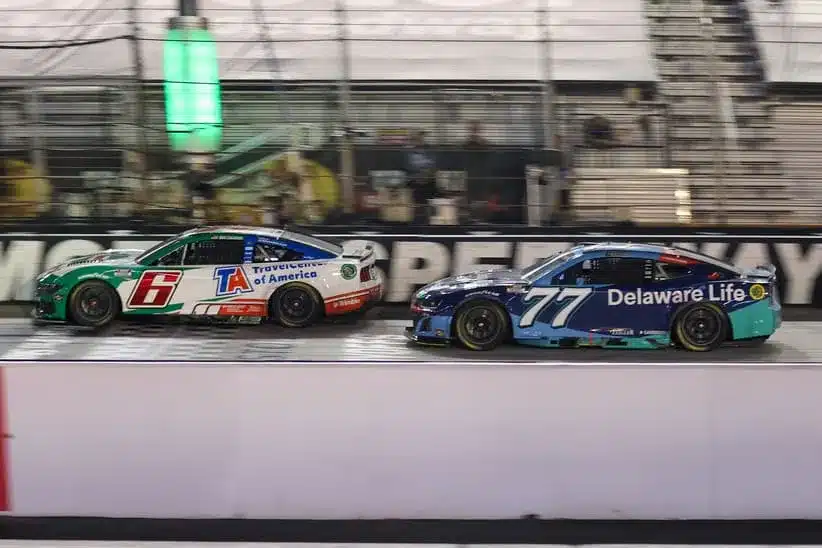
For more than half a century, Easter Sunday functioned as an automatic off‑week in NASCAR, a built‑in pause during a schedule that stretches 38 race weekends from February to November. The sport hadn’t intentionally raced on Easter since 1970, a gap of 52 years, with the lone exception being the snow‑delayed Richmond event that landed on March 26, 1989.
When NASCAR placed a Cup race on Easter night in 2022, it broke one of the garage’s longest‑standing unwritten rules. Teams immediately felt the strain of losing one of their few guaranteed family weekends. The move signaled a major shift in how the sanctioning body viewed its calendar. Now that the experiment is over.
The 2026 Cup Series schedule marks the second straight year with no Easter Sunday race, restoring a tradition that teams had relied on for decades. It’s a clear acknowledgment of how important that break is for road crews who spend most of the year living out of hotels. It also shows NASCAR is willing to reverse course when a scheduling gamble doesn’t deliver long‑term value.
The Bristol Dirt And Richmond Era
The 2022 Easter race wasn’t a routine short‑track event it was a made‑for‑TV spectacle. Bristol Motor Speedway hauled in more than 23,000 cubic yards of red clay to create the first Cup dirt race at the track since 1970, and NASCAR slotted it into prime time, hoping to capture a holiday audience.
The broadcast averaged roughly 4 million viewers, a solid number but not the breakout hit executives hoped for. The dirt returned in 2023, but the novelty wore off quickly. Teams questioned whether the holiday disruption was worth the ratings return.
By 2024, the dirt was gone, and the Easter race moved to Richmond Raceway. Without the spectacle, the event blended into the schedule like any other short‑track race. The justification for keeping teams away from home on a major holiday evaporated. The garage made its feelings known, and the sanctioning body took notice.
Schedule Shakeups And The 2026 NASCAR Schedule
The 2026 calendar arrives during one of the most aggressive periods of reshaping in modern NASCAR. Richmond Raceway, which had hosted two annual Cup dates since 1958, lost one of those dates in 2025, ending a 66‑year streak, except for the pandemic‑altered 2020 season.
NASCAR also pushed into new markets, adding Autódromo Hermanos Rodríguez in Mexico City to the 2025 schedule. That international stop lasted just one season before being replaced. For 2026, the Mexico date gives way to a brand‑new street course at Naval Base Coronado, set for Father’s Day weekend in June.
NASCAR has shown it’s willing to race on certain holidays. Father’s Day has long been part of the mid‑summer rhythm, but Easter is now firmly off the table. The shift reflects a more selective approach to holiday scheduling. It also underscores how quickly the sport is willing to pivot when a new market or concept doesn’t stick.
Why Off‑Weekends Matter In NASCAR
The NASCAR season is one of the longest in professional sports, stretching from the Daytona 500 in mid‑February to the championship finale in early November. Teams work 12‑ to 16‑hour days at the track and log tens of thousands of miles on the road. The 2026 schedule includes only two off‑weekends, making each one essential.
Easter serves as the first break, arriving after a relentless opening stretch. Crews use that time to repair equipment, reset their travel rhythm, and spend a rare weekend at home. Once Easter passes, the grind intensifies. The 2026 calendar features 16 consecutive race weekends from mid‑April through late July, one of the longest uninterrupted stretches in recent history.
The second and final off‑weekend comes in early August, followed by a 14‑week run to the championship race at Homestead‑Miami Speedway on November 8. These breaks aren’t luxuries; they’re survival windows. Without them, burnout becomes a real threat inside the garage.
What This Means
NASCAR’s decision to restore the Easter break shows the sanctioning body is listening to the people who keep the sport moving. Television partners may push for holiday programming, but the human cost of racing on Easter outweighed any potential ratings bump. Mechanics, hauler drivers, engineers, and spotters are the backbone of the industry, and their workload has only increased as the schedule expands into new markets.
Protecting their well‑being is essential for long‑term stability. The move also reflects a broader balancing act. NASCAR is willing to take bold risks from the Chicago Street Race to the upcoming Coronado event, but it’s equally willing to walk back ideas that don’t fit the sport’s culture.
Ending the Easter experiment isn’t a retreat. It’s a recalibration. It shows that innovation and tradition can coexist when handled with care. It shows that innovation and tradition can coexist when handled with care. It also proves NASCAR knows when to pull back. And it reinforces that not every bold idea needs to become a permanent fixture.
What’s Next
Ending the Easter Sunday race is a meaningful win for the families who keep the sport running. Fans may miss a holiday event, but the rest of the 2026 schedule offers plenty of variety, short tracks, intermediates, road courses, and street circuits. NASCAR is still evolving, blending its history with new ideas.
Cup Series action returns on Fox Sports 1 with the Food City 500 at Bristol Motor Speedway. When the green flag drops, the drivers will be rested, the crews will be recharged, and the sport will move forward with a clearer sense of which traditions matter most.
