
Van Gisbergen Turns Watkins Glen Into Another Statement Victory For Trackhouse Racing

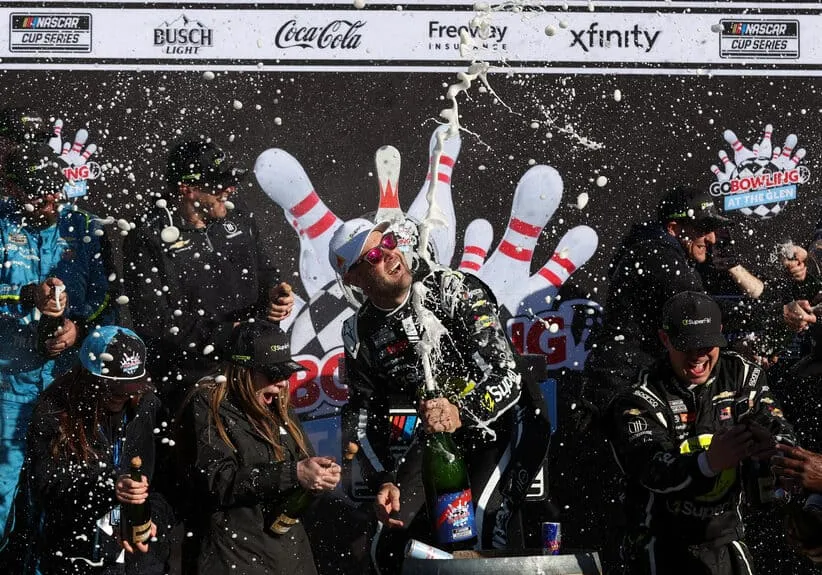
Shane van Gisbergen showed up at Watkins Glen carrying the weight of a season that had tested both him and Trackhouse Racing. The team had flashed speed throughout 2026, but the results never matched its potential on paper. On Sunday, all of that frustration finally broke open. Van Gisbergen didn’t just win.
He dominated, taking control of the race in the final stretch and delivering Trackhouse its first 2026 NASCAR Cup Series victory. By the time the checkered flag fell, van Gisbergen had built a 7.0‑second margin over Michael McDowell, one of the strongest road‑course drivers in the field.
It was the kind of gap rarely seen at Watkins Glen, where the top ten often runs within a handful of seconds. The win became the seventh Cup Series victory of van Gisbergen’s career and another reminder that road courses continue to bring out his best.
Van Gisbergen Overcomes Early Weekend Concerns
The weekend didn’t begin like a runaway victory. Van Gisbergen admitted the No. 97 Chevrolet lacked balance during Friday practice, forcing the team to make significant overnight changes. Those adjustments paid off immediately. He won the pole on Saturday with a lap of 71.165 seconds at 123.937 mph, then carried that momentum straight into race day.
From the opening laps, van Gisbergen looked comfortable attacking the braking zones into Turn 1 and the Inner Loop. Even when the pit strategy shuffled him backward, he never panicked. He trusted the long‑run pace in the car and waited for the race to cycle back to him, and when it did, he was ready.
His confidence showed in how smoothly he managed traffic during the early stages, never forcing moves that could put the car at risk. Every lap he turned had the feel of a driver who understood the race would come down to execution, not desperation.
The Final Fuel Cycle Flipped The Race
The turning point came with 25 laps to go. Van Gisbergen hit pit road for his final stop and rejoined the race nearly 30 seconds behind Ty Gibbs, who inherited the lead through strategy. For a moment, it looked like the race might slip away.
Instead, van Gisbergen delivered one of the most decisive late‑race charges Watkins Glen has seen in years. Over the next 18 laps, he erased almost the entire deficit, running laps more than a half‑second faster than the leaders while slicing through traffic.
With seven laps remaining, he caught Gibbs and completed the pass entering the Bus Stop. Once he cleared the No. 54, the race was effectively settled. Van Gisbergen stretched the lead to seven seconds while the rest of the field fought to stay within sight.
Watkins Glen Continues To Fit His Style
Every major section of the track seemed to tilt in van Gisbergen’s favor. Through the Bus Stop, he attacked the curbs with precision without upsetting the car. In the heavy braking zones, he consistently carried more confidence than the drivers chasing him.
His long‑run pace remained steady even as tire wear increased, a critical advantage on a day when falloff exceeded three seconds over extended runs. What separates van Gisbergen from much of the field is how calm he stays when the race stretches out.
Strategy changed repeatedly, cautions reset the order, and tire wear became unpredictable, but none of it altered his rhythm. That composure continues to define his road‑course success. Even when the race became chaotic around him, he never looked rushed behind the wheel.
McDowell And Gibbs Couldn’t Hold Him Back
Michael McDowell spent much of the afternoon as van Gisbergen’s closest challenger. The Spire Motorsports driver ran inside the top five for most of the race and finished second after holding off a late charge from Ty Gibbs.
Gibbs briefly looked like he might steal the win through strategy, but once van Gisbergen began closing at nearly a second per lap, the outcome became inevitable. Behind them, Chase Briscoe finished fourth, and Tyler Reddick rounded out the top five after another strong road‑course showing.
Van Gisbergen’s pace in the final run made it clear that neither Gibbs nor McDowell had enough left in their cars to match his closing speed. Every lap he turned in clean air widened the gap and erased any hope of a late counterattack. By the time the field reached the final few circuits, the race had shifted entirely into his control.
Chaos Shapes The Middle Stages
The middle portion of the race was filled with incidents that reshuffled the field. Connor Zilisch ran inside the top three during Stage 2 before being forced through the grass during a restart, costing him valuable track position. Ryan Blaney and William Byron both picked up damage in a multi‑car stack‑up entering the Bus Stop.
One of the strangest moments came when debris from a campground canopy blew onto the racing surface, triggering a caution and forcing teams to recalculate fuel windows. Through all of it, van Gisbergen kept the No. 97 clean and avoided the chaos.
The incident briefly stacked the field and created an opening for several mid‑pack cars to gamble on strategy, but none of those moves changed the balance of power at the front. Van Gisbergen’s ability to stay out of trouble while others scrambled only strengthened his position for the final run.
A Breakthrough That Trackhouse Needed
In Victory Lane, van Gisbergen credited crew chief Stephen Doran for the adjustments that transformed the car after practice. The win carried as much a sense of relief as of celebration. Trackhouse had been searching for a breakthrough all season, and Sunday finally delivered it.
Van Gisbergen also acknowledged the pressure he felt from drivers like McDowell, Zilisch, and Reddick throughout the race. But that pressure never changed his approach, and the final run showed how much confidence he has built in the Cup Series.
What stood out most was how controlled he remained once the race tightened late. Even after dropping deep in the order following the pit strategy, there was never a sense of panic from the No. 97 team. Each lap looked deliberate, and once he reached the leaders again, the pace advantage became obvious almost immediately.
What This Win Means Going Forward
Sunday’s victory reinforced what the garage already knows: when the Cup Series heads to a road course, Shane van Gisbergen immediately becomes the driver to beat. For Trackhouse Racing, the win resets the tone of the 2026 season and proves the team’s speed can finally translate into results.
For van Gisbergen personally, the performance adds another chapter to a growing NASCAR résumé built on precision, patience, and the ability to close races under pressure. His late‑race charge at Watkins Glen wasn’t just fast. It was controlled, calculated, and confident.
The way he managed the final stretch said as much about his race awareness as it did about the speed in the car. He picked his way through traffic without wasting time, stayed smooth in the braking zones, and never looked like he was overdriving to make up ground.
What’s Next
Shane van Gisbergen’s Watkins Glen victory was a complete performance from a driver who continues to elevate his road‑course reputation. He overcame early‑weekend struggles, erased a massive deficit in the final run, and drove away from the field once he reclaimed the lead.
By the end of the afternoon, Watkins Glen once again felt like his territory, and the rest of the Cup Series left with a clear reminder of who sets the standard on technical tracks. Every restart, every braking zone, and every long run seemed to fall under his control once the race entered its final stage.
For More Great Content
Stay plugged in with more race analyses, features, and behind‑the‑garage storytelling. Follow Sarah on Facebook, LinkedIn, and X at Sarah Talker, where the conversation keeps rolling long after the checkered flag drops.
