The Team EJP 175: When Every Position on the Starting Lineup Matters

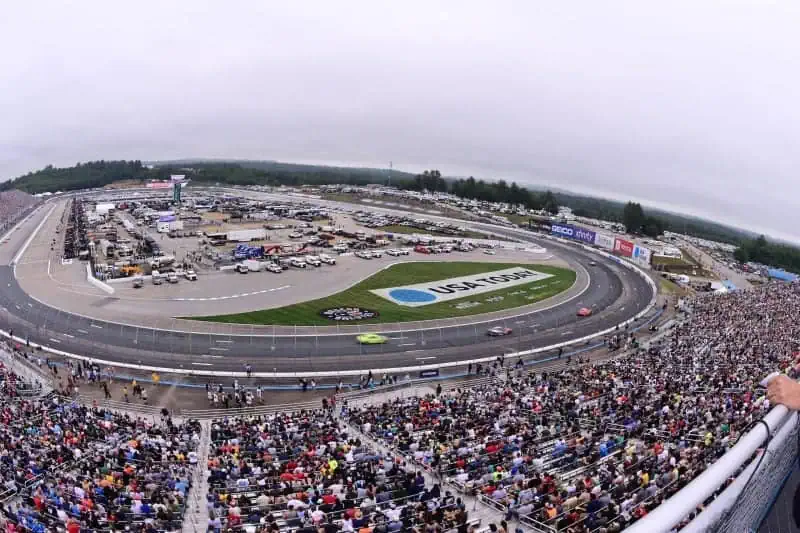
The magic mile at New Hampshire Motor Speedway delivered exactly what fans expected from the Craftsman Truck Series playoffs: drama, intensity, and a starting lineup that told its own compelling story before the first green flag even dropped. When you look at that Team EJP 175 starting lineup, you’re not just seeing names and numbers. You’re seeing careers on the line, championship dreams hanging by a thread, and the brutal reality that in NASCAR’s playoffs, every single starting position can make or break a driver’s entire season.
The Weight of Every Starting Position
New Hampshire has always been a track where track position matters more than most places on the circuit. It’s not a place where you can easily race your way from the back of the pack to Victory Lane. The “Magic Mile” demands respect, and drivers who qualify poorly often find themselves fighting an uphill battle that gets steeper with every passing lap. Looking at the Team EJP 175 starting lineup, you could see the tension written across the entire field.
This wasn’t just another qualifying session, but an elimination race where eight drivers would advance to the next round, and two would pack their bags for the season. The pole sitter had to feel good about their chances, but even from the front row, New Hampshire can humble you quickly. The track surface is abrasive, tire wear is significant, and clean air becomes more valuable than gold as the race progresses. Every position behind that pole sitter represented another degree of difficulty in an already challenging race.
Playoff Pressure Changes Everything About the Starting Lineup
What made this starting lineup particularly fascinating was the playoff implications hanging over every truck. When you’re racing for a championship, qualifying 15th instead of 10th isn’t just five positions. It’s potentially the difference between advancing and going home. The drivers who found themselves deeper in the starting lineup knew they had their work cut out for them. In New Hampshire, passing opportunities are limited, and track position becomes even more critical during the closing stages of the race.
A poor starting spot doesn’t doom you, but it certainly makes the mountain you have to climb much steeper. For the drivers sitting on the playoff bubble, their starting positions carried extra weight. Every spot gained or lost during qualifying could potentially determine whether they’d be racing for a championship or planning their winter vacation. That kind of pressure changes how you approach every aspect of your race preparation.
Team EJP 175 Starting Lineup at New Hampshire Motor Speedway
- 1. Corey Heim (p), No. 11 (TRICON Garage, Toyota)
- 2. Chandler Smith (p), No. 38 (Front Row Motorsports, Ford)
- 3. Ty Majeski (p) No. 98, (ThorSport Racing, Ford)
- 4. Layne Riggs (p), No. 34 (Front Row Motorsports, Ford)
- 5. Tanner Gray, No. 15 (TRICON Garage, Toyota)
- 6. Matt Crafton. No. 88 (ThorSport Racing, Ford)
- 7. Brent Crews, No. 1 (TRICON Garage, Toyota)
- 8. Corey Lajoie, No. 77 (Spire Motorsports, Chevrolet)
- 9. Jake Garcia (p), No. 13 (ThorSport Racing, Ford)
- 10. Tyler Ankrum (p), No. 18 (McAnally Hilgemann Racing, Chevrolet)
- 11. Connor Mosack, No. 81 (McAnally Hilgemann Racing, Chevrolet)
- 12. Rajah Caruth (p), No. 71 (Spire Motorsports, Chevrolet)
- 13. Daniel Hemric (p), No. 19 (McAnally Hilgemann Racing, Chevrolet)
- 14. Giovanni Ruggiero, No. 17 (TRICON Garage, Toyota)
- 15. Kaden Honeycutt (p), No. 52 (Halmar Friesen Racing, Toyota)
- 16. Grant Enfinger (p) No. 7 (CR7 Motorsports, Chevrolet)
- 17. Ben Rhodes, No. 99 (ThorSport Racing, Ford)
- 18. Conner Jones, No. 41 (Niece Motorsports, Chevrolet)
- 19. Jack Wood, No. 91 (McAnally Hilgemann Racing, Chevrolet)
- 20. Andrés Pérez de Lara, No. 44 (Niece Motorsports, Chevrolet)
- 21. Dawson Sutton, No. 26 (Rackley W.A.R., Chevrolet)
- 22. Patrick Emerling (p), No. 7 (Spire Motorsports, Chevrolet)
- 23. Bayley Currey, No. 45 (Niece Motorsports, Chevrolet)
- 24. Matt Mills, No. 42 (Niece Motorsports, Chevrolet)
- 25. Toni Breidinger, No. 5 (TRICON Garage, Toyota)
- 26. Mason Massey (i), No. 20 (Young’s Motorsports, Chevrolet)
- 27. Spencer Boyd, No. 76 (Freedom Racing Enterprises, Chevrolet)
- 28. Christian Eckes (i), No. 16 McAnally Hilgemann Racing, Chevrolet)
- 29. Michael Christopher Jr. No. 62 (Halmar Friesen Racing, Toyota)
- 30. Blake Lothian, No. 22 (Reaume Brothers Racing, Ford)
- 31. Jayson Alexander, No. 02 (Young’s Motorsports, Chevrolet)
- 32. Norm Benning, No. 6 (Norm Benning Racing, Chevrolet)
- 33. Stephen Mallozzi, No. 2 (Reaume Brothers Racing, Ford)
- 34. Tyler Tomassi (i) No. 33 (Reaume Brothers Racing, Ford)
- 35. Derek White, No. 69 (Motorsports Business Management, Ford)
- 36. Caleb Costner, No. 74 (Mike Harmon Racing, Toyota)
The Crew Chief’s Perspective on Starting Lineup Strategy
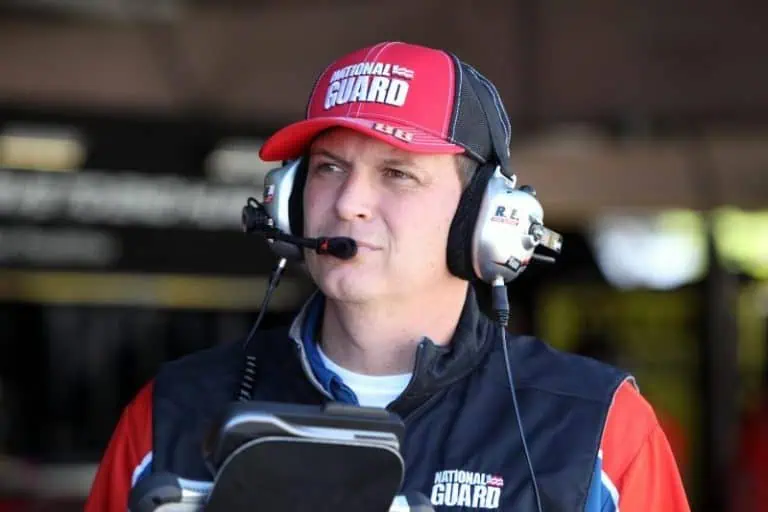
Behind every driver on that starting lineup was a crew chief calculating pit strategy based on track position. In New Hampshire, the pit road setup creates opportunities for teams to gain or lose spots during caution periods, but starting position often dictates your strategic options.
Teams starting near the front of the lineup had the luxury of being aggressive with their strategy. They could gamble on fuel mileage, take two tires when others take four, or stay out during cautions to gain track position. Starting further back in the lineup forces teams into more conservative approaches, such as having to take what the track gives you rather than being able to dictate terms.
The crew chiefs studying that starting lineup before the race knew that their driver’s championship hopes might hinge on a perfectly timed pit stop or a strategic gamble during a late-race caution. In New Hampshire, these decisions become magnified due to the difficulty of passing on track.
Rookies vs. Veterans in the Starting Lineup
One of the most intriguing aspects of the Team EJP 175 starting lineup was the mix of young talent and seasoned veterans spread throughout the field. The Craftsman Truck Series has always been a proving ground for future stars, but in the playoffs, experience often trumps raw speed.
The veterans scattered through the starting lineup understood something the younger drivers were still learning—New Hampshire rewards patience and racecraft over aggressive moves. A driver starting 20th with the right approach and a little luck could easily finish better than someone starting 5th who gets impatient and makes a costly mistake.
For the young guns looking at their starting positions, this race represented a crucial learning experience. The playoffs teach you that it’s not always about where you start, but more so, about where you are when it matters most. Some of the biggest names in NASCAR history have won races from deep in the starting lineup at tracks like New Hampshire Motor Speedway.
The Elimination Factor Changes Everything
What made this starting lineup different from any regular-season race was the elimination element. Two drivers would see their championship hopes end at New Hampshire, regardless of where they started. That reality created a different dynamic throughout the entire field.
Drivers starting in the top 10 knew they had a great opportunity to control their own destiny. A solid, clean race from a good starting position should be enough to advance. But those starting deeper in the lineup faced a much more challenging path—they needed either exceptional performance, strategic brilliance, or a little bit of racing luck to keep their championship dreams alive.
The middle of the starting lineup became particularly interesting from this perspective. Those drivers weren’t in immediate danger, but they also couldn’t afford to get comfortable. One mechanical failure, one moment of contact, one strategic miscalculation, and suddenly a secure starting position could turn into a nightmare scenario.
Track History and Starting Position Importance
New Hampshire Motor Speedway has a rich history of races being won from various starting positions, but the data clearly shows that starting position matters more here than at many other tracks on the circuit. The abrasive surface, limited passing zones, and the importance of clean air all contribute to making qualifying crucial.
Looking at the historical data from previous races at New Hampshire, drivers starting in the top 10 have significantly better odds of finishing in the top 10. While upsets happen and they’re often spectacular when they do, the starting lineup generally provides a good preview of who will be running up front when the checkered flag waves.
For the drivers studying that Team EJP 175 starting lineup, the message was clear: your qualifying effort on Friday directly impacts your championship hopes on Saturday. There’s no participation trophy in the playoffs, and at New Hampshire, track position is your best friend.
Qualifying Recap
The Team EJP 175 starting lineup represented more than just the order drivers would take the green flag. It was a snapshot of championship dreams, playoff pressure, and the relentless pursuit of perfection that defines NASCAR’s postseason. Every position told a story, and by the time the race was over, those stories would either continue for eight more weeks or come to an abrupt end. At tracks like New Hampshire, the starting lineup isn’t just where you begin the race, but it often determines whether you’ll have a chance to finish it where it matters most.