Team Penske Brings Back 2 Homages To the Bold ‘Yellow Submarine’

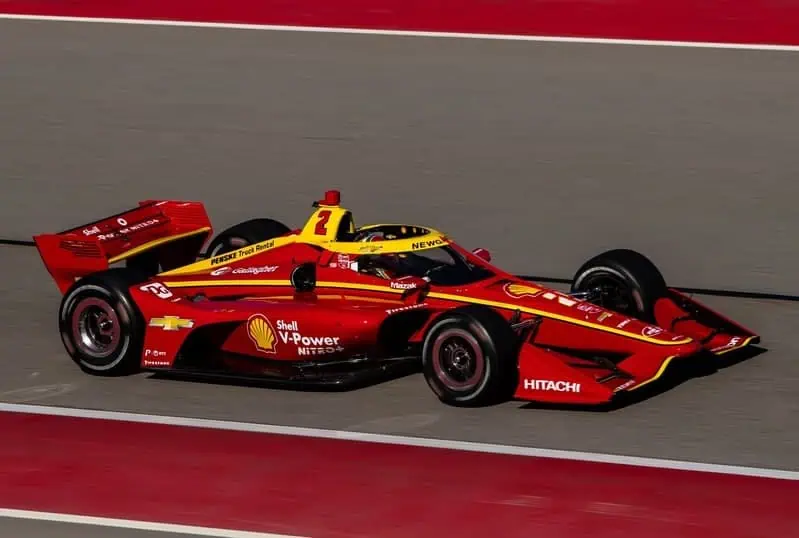
Team Penske just rolled out a double treat for racing fans, bringing back the legendary “Yellow Submarine” paint scheme for both IndyCar and NASCAR races this May. Scott McLaughlin will drive the retro-inspired No.3 IndyCar at the Indianapolis 500, while Joey Logano will pilot a matching No. 22 Ford Mustang in the Coca-Cola 600. It is a bold, nostalgic nod to the days of Rick Mears and Johnny Rutherford. With this unified tribute, Team Penske threads legacy and modern flair into one powerful visual statement.
A Legacy Reimagined
The roots of the “Yellow Submarine” go deep into Team Penske’s past. This golden livery gained fame in the late ‘70s and ‘80s, when racing legend Rick Mears claimed multiple Indianapolis 500 victories under its bright colors. That unforgettable yellow and red Pennzoil look symbolized dominance and precision. Now, decades later, McLaughlin brings that same energy back to Indy’s biggest stage, giving longtime fans a visual connection to one of racing’s most dominant eras.
For Team Penske, the return to this design is not just aesthetic, it is strategic. The team understands how colors can evoke emotion and build identity. With McLaughlin behind the wheel, the yellow IndyCar is poised to do more than look pretty. It is set to spark memories and rev up excitement across generations of fans. In a sea of high-tech cars and high-stakes drama, this classic paint scheme is a throwback that still feels thrillingly current.
NASCAR’s Tribute With a Twist
While the IndyCar version of the “Yellow Submarine” sticks close to its historical roots, Logano’s NASCAR homage adds a modern muscle twist. The No. 22 Ford Mustang gleams with the same bright yellow and red Pennzoil theme, instantly recognizable to motorsport enthusiasts. But the wider frame and aggressive styling of the stock car give it a more contemporary edge. Logano, a former Cup Series champion, brings both credibility and charisma to this retro design, ensuring the scheme does more than just stand out; it performs.
Logano’s participation links generations of racers under the Team Penske banner. This is not the first time the “Yellow Submarine” has surfaced in NASCAR, but pairing it simultaneously with an IndyCar launch is rare and symbolic. It bridges two disciplines and unites fans from different corners of motorsport. For NASCAR loyalists, seeing the storied colors reborn on their turf adds an extra layer of excitement to the Coca-Cola 600. The fusion of past and present becomes cultural.
Fan Reaction and Cultural Impact
The dual return of the “Yellow Submarine” has ignited a wave of enthusiasm across social media and racing forums. Fans are engaging, sharing throwback photos, creating custom art, and even showing up to races in vintage Pennzoil gear. For younger audiences unfamiliar with Rick Mears or the 1980s dominance, this livery serves as an entry point to explore racing history. For longtime fans, it is a reminder that tradition still has a place in today’s high-speed spectacle.
Beyond nostalgia, the move shows how branding and storytelling can deepen fan loyalty. In a time when attention spans are fragmented, creating a shared narrative across two major racing events is a masterstroke. Team Penske has transformed a paint scheme into a conversation piece, a symbol of continuity in a fast-changing sport. It is about honoring where you came from and inviting others along for the ride.
Conclusion
By bringing back the iconic “Yellow Submarine” livery in both IndyCar and NASCAR, Team Penske has reignited a legacy. This thoughtful fusion of history and modern performance illustrates how powerful design and storytelling can be in motorsport. Whether you are a diehard fan of Rick Mears or cheering for Logano and McLaughlin today, there is something universally captivating about this bright yellow throwback. It is a statement that racing’s past is not forgotten; it is alive, roaring, and more connected than ever.