
How Soaring Diesel Prices Are Redrawing NASCAR’s Competitive Landscape

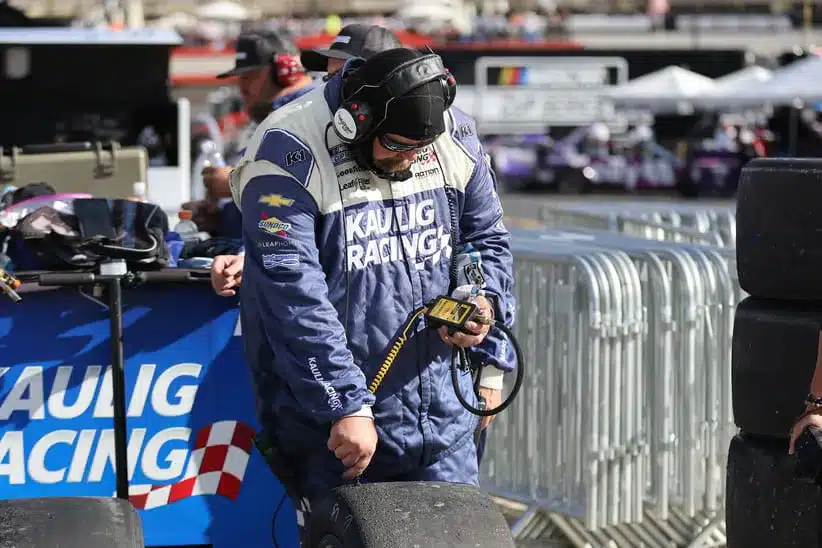
For fans, NASCAR is horsepower, noise, and the rush of a final‑lap battle. Behind the scenes, the sport runs on logistics and those logistics run on diesel. With the national average for diesel climbing above $5.00 per gallon earlier this year, the cost of simply getting to the racetrack has become one of the most painful line items on a team’s balance sheet.
Global supply disruptions and market volatility pushed fuel prices to their highest levels since 2022, and even with a slight dip in recent weeks, the financial damage is already baked into team budgets. For Kaulig Racing, the impact has been immediate and severe, forcing the organization to rethink how it moves equipment, parts, and personnel across a 38‑week season.
The Hidden Cost of Chasing the Checkered Flag
A NASCAR team doesn’t travel light. Each Cup or O’Reilly entry requires a 53‑foot hauler loaded with two race cars, a backup chassis, pit guns, nitrogen bottles, toolboxes, radios, computers, and hundreds of pounds of spare parts. A single hauler can log 45,000–55,000 miles per season, depending on the schedule.
At five dollars a gallon, a cross‑country trip can cost $6,000–$8,000 in fuel alone, and that’s before factoring in mid‑week parts runs or short‑notice repairs. Teams build their travel budgets months in advance using historical fuel averages.
When those projections jump by 40–60 percent before the season reaches May, the math collapses. Kaulig Racing felt that crunch early. What used to be routine mid‑week hauls between their North Carolina shop and suppliers became so expensive that they forced a complete overhaul of their travel planning.
How Kaulig Racing Is Adapting to the Crunch
Team president Chris Rice recently explained on SiriusXM NASCAR Radio just how disruptive the spike has been. Early in the year, Kaulig spent thousands more than expected simply shuttling parts between shops. Now, every trip is scrutinized.
The team created a dedicated group text thread solely to coordinate travel so haulers and parts runners can combine routes and avoid redundant mileage. Rice said he’s even had detailed strategy conversations with hauler drivers about fuel loads.
Before heading to tracks like Rockingham or Bristol, the team checks diesel prices along the route to determine where to fill up, sometimes opting to run lighter tanks to avoid buying fuel in higher‑priced states. When a team president is comparing fuel stops down to the penny, it shows how tight the margins have become.
Expanding Into the Truck Series Adds Financial Strain
The timing couldn’t be worse for Kaulig Racing. This season marks their first full campaign in the NASCAR Craftsman Truck Series as a RAM‑supported program. Launching a new team requires a massive upfront investment: new chassis, engines, pit equipment, radios, and a fresh inventory of parts.
A typical Craftsman Truck Series season can cost $3–$5 million, depending on the number of entries and the level of manufacturer support. Kaulig is still building its notebook and parts supply, which means more mid‑week travel, more supplier runs, and more unexpected expenses. Every new component they add to inventory increases both cost and mileage.
Chief Operating Officer Ty Norris has joked that Chris Rice is tracking every purchase “down to the forks in the break room,” and he isn’t exaggerating. The team has already torn up more fenders and body panels than expected in the opening stretch, adding repair costs to rising fuel bills. Every damaged nose or quarter panel means another trip to the body shop and another hit to the fuel budget.
What This Means
For Kaulig Racing and for many mid‑sized teams, the margin for error off the track is now as thin as the margin for speed on it. Independent organizations don’t have the financial cushion of the sport’s largest teams. Every unexpected expense hits their budget immediately. One bad month can reshape their entire season plan.
If diesel prices stay elevated, teams may be forced to cut back on optional testing, reduce the number of crew members traveling to certain events, or scale back wind‑tunnel and simulator time. Every dollar spent at the pump is a dollar not spent on performance. Those trade‑offs add up fast over a 38‑race season.
Kaulig’s response has been a blue‑collar, efficiency‑first approach: consolidate trips, plan routes with precision, and stretch every resource as far as possible. It’s not glamorous, but it’s the reality of competing in a sport where logistics can make or break a season. Every saved mile helps keep the operation stable.
What’s Next
NASCAR has always been a sport built on resilience. Drivers fight loose race cars, mechanics work through the night, and teams push through challenges fans never see. The fuel crisis is simply the latest test, and Kaulig Racing is meeting it by tracking every expense and planning every mile.
The schedule offers a brief break with several spring races near Charlotte, but long hauls to Kansas, Sonoma, and Pocono are coming. When those trips hit, fuel costs will spike again. Kaulig will need the same grit and discipline that built the organization to keep its haulers moving and its cars competitive.
