Remembering Les Unger: The Visionary Who Brought Toyota to NASCAR

The world of motorsports lost a giant this week. Les Unger, a man whose name might not be as famous as Petty or Earnhardt but whose impact is just as profound, has passed away. For those of us who live and breathe NASCAR, and especially for anyone tied to the Toyota racing family, this one hits hard. Les wasn’t just a suit in a corporate office; he was a racer at heart, a visionary who saw a future for a Japanese car brand in the heart of American stock car racing.
It’s tough to think about Toyota in NASCAR without thinking of Les Unger. He was the one who kicked open the door. He served as the national motorsports manager for Toyota from 1984 to 2014. That’s thirty years of dedication, thirty years of pushing, planning, and believing. He was the architect.
Les Unger’s Lasting Legacy in Motorsports
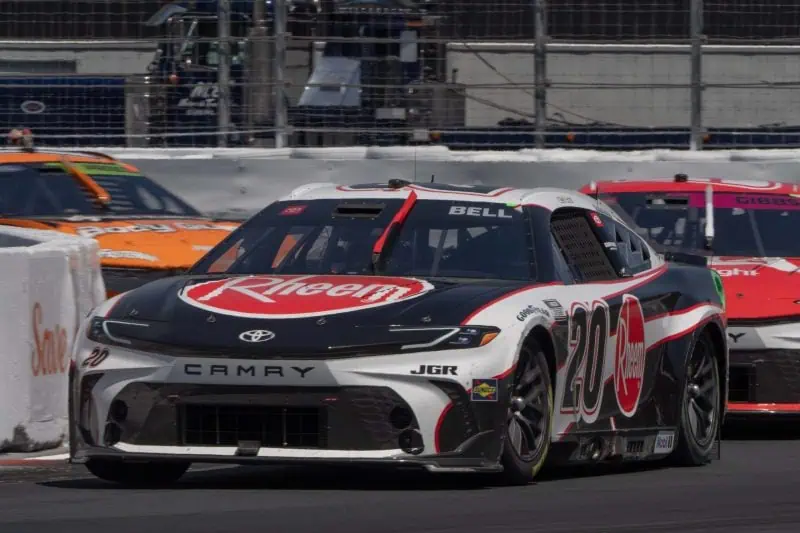
Before Toyota became a powerhouse in the Cup Series, and before Kyle Busch and Denny Hamlin won championships in a Camry, there was Les Unger with an idea. He didn’t just jump into the deep end. He was smart about it. He started small, testing the waters in the Goody’s Dash Series back in the late ’90s with a V6 Celica. It sounds almost quaint now, but that was the first shot fired.
That was the move that signaled Toyota was serious about American racing. Because of that first step, Robert Huffman gave Toyota its first NASCAR win in 2001. Think about that. A win with an overhead-cam, multi-valve engine. It was different, new, and a sign of things to come. Unger was the man behind that push.
He then set his sights higher. In 2003, he orchestrated the plan to bring the Toyota Tundra into the Craftsman Truck Series for the 2004 season. That wasn’t just a new truck on the track; it was the foundation for everything that followed. It was the springboard to the Cup Series and the Xfinity Series. Les Unger laid that groundwork, piece by piece.
A Man with a Vision for the Sport
Les Unger’s vision went beyond just winning races. He cared about the soul of the sport. He created the Toyota All-Star Showdown, a brilliant event that wasn’t just a race, but a pipeline for new talent. It was his way of supporting local, grassroots racing and finding the next generation of stars. He understood that for the sport to grow, you had to invest in its future. He made Toyota a cornerstone of American motorsports, and his work built a racing heritage from the ground up.
Toyota Gazoo Racing issued a statement that truly captures the essence of the man he was. They called him a “passionate, innovative leader” who guided their entry not just into NASCAR, but into INDYCAR, IMSA, and Off-Road Racing. They discussed his passion for giving back, particularly through his involvement in the Pro/Celebrity race at the Long Beach Grand Prix.
Even after he retired in 2014, he remained a fixture, a fan, and a supporter. You could feel his presence, his pride in what he helped build. The statement ended perfectly: “We will truly miss Les cheering us on.” That says it all. The man was a cheerleader for his people, for his brand, and for the sport he loved.
Final Thoughts
The list of achievements under Unger’s leadership is staggering: 27 championships across different series, wins at the 24 Hours of Daytona, 12 Hours of Sebring, the Baja 1000, and Pikes Peak. The man had a knack for building winning programs.It’s hard to imagine the NASCAR grid today without the roaring engines of the Toyotas.
That reality, that competitive landscape, owes so much to one man’s persistence and vision. Les Unger may not have turned the wrenches or driven the cars, but he was a racer through and through. He took a massive risk, a true enterprise, and built an empire. The pits will feel a little emptier without him.