
Pre‑Race Inspection Problems Sideline Kaulig’s No. 10 And 16 Cars Ahead Of Sunday

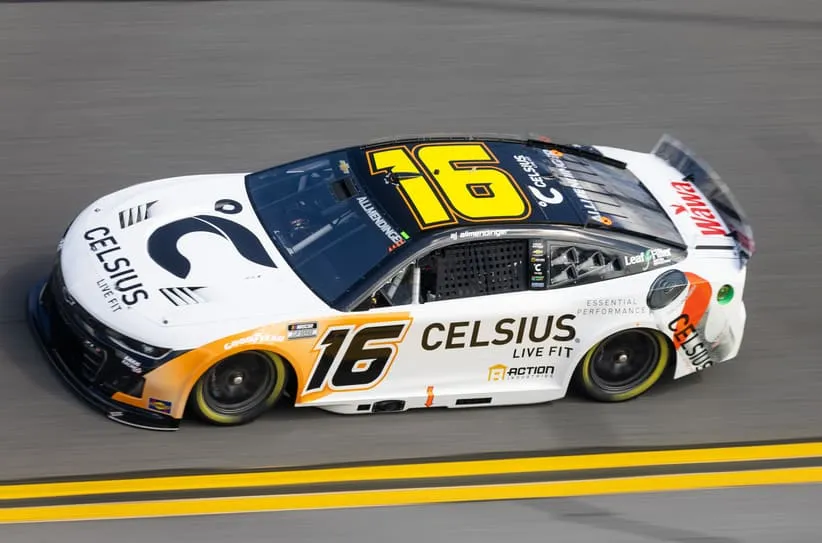
Kaulig Racing’s Sunday morning started with trouble in the Talladega garage, long before the field lined up for the Cup Series Jack Link’s 500. Both the No. 10 Chevrolet for Ty Dillon and the No. 16 Chevrolet for AJ Allmendinger failed pre‑race inspection twice, forcing the team into a scramble before the cars were allowed to roll to the grid.
Talladega’s inspection line is strict every year, but superspeedway weekends tighten the margins even more. The failures triggered automatic penalties under the NASCAR Rule Book, and the team had to adjust its race‑day plan on the fly. The optical scanning station flagged both cars for body‑related issues during their first two passes.
At Talladega, where the draft controls everything, even small deviations can matter. NASCAR doesn’t debate those numbers; the system reads them, and the penalties follow. Kaulig’s crews made the required adjustments and cleared on the third attempt, but the damage was already done.
Penalties Remove Car Chiefs And Eliminate Pit Stall Selection
The most immediate hit came with personnel. NASCAR ejected Troy Lankford Jr., car chief for Dillon’s No. 10 team, and Jaron Antley, car chief for Allmendinger’s No. 16 team, after the second failed inspection. Car chiefs handle the mechanical side of the weekend and keep the setup work organized.
Losing them on race morning forces the remaining crew members to split responsibilities that are normally handled by one person. Both teams also lost their pit stall selections for the 188‑lap race. Instead of choosing their stalls based on the qualifying metric, they were assigned whatever was left after the compliant teams made their picks.
At Talladega, pit road is tight, and the wrong stall can cost a team several positions under caution. Clean entries and exits matter, and Kaulig won’t have ideal locations to work with. The penalties were applied before the cars reached the grid.
That meant reorganizing communication, shifting duties, and preparing to run the race without the people who normally manage the mechanical flow. The crew chiefs will have to handle more than usual, and the margin for error on pit road shrinks when the structure changes this close to race time.
Weather Cancellation Pushes Kaulig Drivers Deep in the Field
Saturday’s qualifying session never happened. Severe weather moved through the area, and NASCAR canceled the session outright. With no laps on the board, the starting lineup was set using the performance‑based formula.
That metric placed Allmendinger 28th and Dillon 35th, putting both Kaulig cars deep in the pack for the start. Starting that far back at Talladega is never ideal. The middle and rear sections of the field are where lane movement is unpredictable and where multi‑car incidents tend to form.
Drivers in those rows rely heavily on spotters to find clean lanes and avoid pockets of turbulent air. With both Kaulig cars outside the top 25, the opening laps will require patience and clean execution just to avoid early trouble.
The weather‑related lineup and the inspection penalties stack together. Poor starting spots, no pit stall selection, and the loss of both car chiefs leave the team with little room to settle in early. The first stage becomes more about survival than strategy.
Inspection Failures Add Pressure To An Already Demanding Event
Failing inspection twice forces teams to make adjustments quickly. Those changes can involve body panels, alignment points, or suspension mounting. When those adjustments happen under time pressure, teams enter the race with less certainty about how the car will behave in the draft.
Drivers usually use the opening laps to feel out balance, but Talladega’s pack racing doesn’t offer much space for experimentation. Dillon and Allmendinger will take the green flag with cars that were adjusted repeatedly in a short window.
The crew chiefs will have to monitor handling closely and be ready to make early changes if the cars don’t respond as expected. Talladega’s long green‑flag runs can magnify small issues, and the teams won’t want to fall behind on adjustments. The absence of the car chiefs also affects the pit‑stop rhythm.
Car chiefs typically coordinate mechanical decisions during stops and help manage tire and chassis notes. Without them, the remaining crew members must streamline communication and avoid missteps during high‑pressure cycles.
Kaulig Racing Faces Strategic And Operational Challenges
Strategically, Kaulig may look at pitting off‑sequence to avoid the congestion created by their assigned stalls. Off‑sequence stops can help teams gain track position if caution flags fall at the right time. The risk is getting trapped a lap down if the race stays green for long stretches.
For the drivers, the priority is avoiding early incidents and finding stable drafting partners. Starting deep in the field increases exposure to unpredictable lane movement. Both drivers will need to manage risk as they work toward the lead pack.
Spotter communication will be critical, especially in the middle lanes where runs develop quickly. The team’s ability to adapt will determine how much ground they can recover. Talladega often creates opportunities through caution cycles and pit‑road timing, but execution must be clean.
With reduced personnel and limited stall positioning, the margin for error is small. One slow stop or a missed call on adjustments can bury a team for an entire stage. And at Talladega, you don’t get many chances to dig yourself back out once the draft moves on without you.
What’s Next
Kaulig Racing enters the 2026 Jack Link’s 500 with significant disadvantages after both the No. 10 and No. 16 Chevrolets failed pre‑race inspection twice. The penalties remove key personnel, eliminate pit stall selection, and place both drivers deep in the starting order.
Dillon and Allmendinger will attempt to work through those setbacks as they navigate Talladega’s draft and the unpredictable nature of superspeedway racing. They won’t have the luxury of settling in early; the draft won’t give them that kind of space.
For More Great Content
Stay plugged in with more race analyses, features, and behind‑the‑garage storytelling. Follow Sarah on Facebook, LinkedIn, and X at Sarah Talker, where the conversation keeps rolling long after the checkered flag drops.
