Pit Road Trouble: Briscoe’s Slow Stop Hands Away the Lead

Diehard NASCAR fans know that feeling all too well, watching your all-time favorite driver lead the field, only to see everything unravel in the span of twelve seconds on pit road. That’s exactly what happened to Chase Briscoe during the first round of pit stops at Las Vegas Motor Speedway, and man, it stung to watch.
The Moment Everything Changed for Chase Briscoe
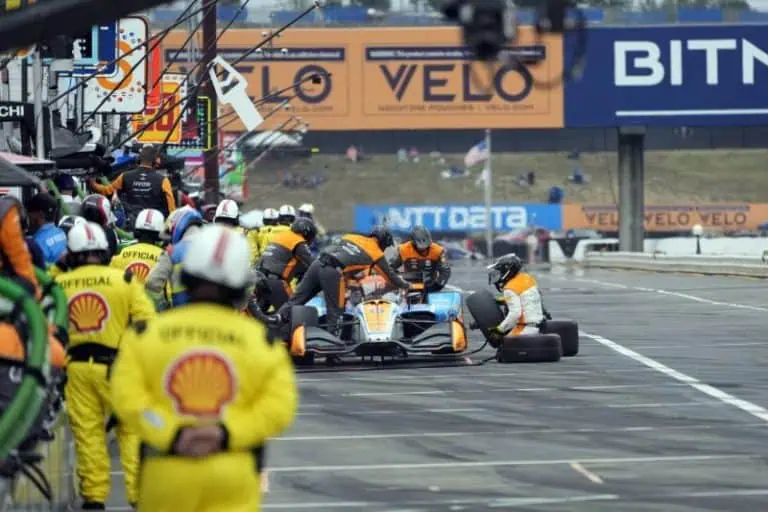
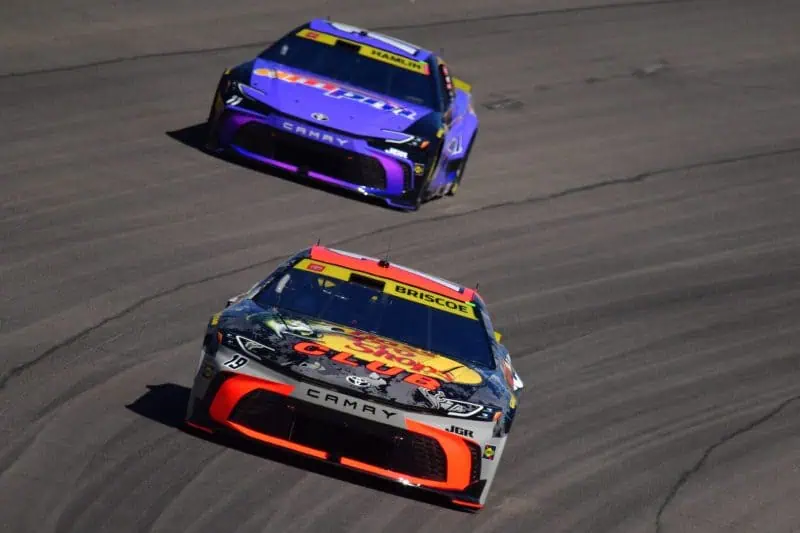
Picture this: Chase Briscoe rolling down pit road with the lead, his No. 19 Ford running strong, and then boom, disaster strikes. The left-rear tire change dragged on, feeling like an eternity. While other crews were executing lightning-fast stops, Briscoe’s team struggled with that stubborn wheel, and you could almost hear the collective groan from his fans in the grandstands.
Those precious seconds ticking away weren’t just numbers on a stopwatch. They represented lost track position, lost momentum, and frankly, lost opportunities. By the time Chase Briscoe’s car rolled off the jack, William Byron had already cycled into the lead. Just like that, what should have been a routine pit stop became a gut-wrenching turning point.
The crew chief’s radio probably lit up with frustrated voices, but that’s racing for you. One moment you’re sitting pretty at the front of the pack, and the next you’re watching your competition disappear into the distance. It’s the kind of moment that makes you want to throw your hat at the ground.
Why Pit Road Performance Matters More Than Ever
Chase Briscoe and his team know better than most that races aren’t just won on the racetrack. They’re won and lost on pit road. These days, with competition tighter than bark on a tree, every tenth of a second counts. The difference between a good stop and a great stop can be the difference between victory lane and watching someone else celebrate.
The No. 19 crew has been solid all season, which makes this miscue even more frustrating. These guys practice their pit stops religiously, timing each movement down to the millisecond. They know their jobs inside and out, which is why when something goes wrong, the impact is twice as hard.
What really gets under your skin is knowing that Briscoe had the car to compete for the win that day. The speed was there, the handling looked good, and he was making smart moves on the track. But racing is a team sport, and when one link in the chain breaks, the whole operation suffers.
The Ripple Effect of Lost Track Position
Losing the lead on pit road isn’t just about dropping one position. It’s about the domino effect that follows. Chase Briscoe went from controlling his own destiny at the front to having to fight through traffic, deal with dirty air, and hope for caution flags to bunch up the field again.
Every NASCAR driver will tell you that track position is everything, especially at a place like Las Vegas, where clean air makes such a massive difference. When you’re leading, you get to choose your line, control the pace, and react to what everyone else is doing. When you’re stuck in the pack, you’re constantly reacting to everyone else’s moves.
The mental aspect can’t be ignored either. Briscoe showed remarkable composure after the slow stop, but you know it had to be eating at him. These drivers are competitors to their core, and watching a potential victory slip away because of circumstances beyond your control? That’s the kind of thing that keeps you awake at night.
Chase Briscoe’s Championship Implications
This wasn’t just any regular-season race. This was the Round of 8 action, where every point matters and every position counts toward championship hopes. When Chase Briscoe lost that track position, it wasn’t just about one day’s results. It was about his entire playoff picture getting a little more complicated.
The championship hunt in NASCAR’s Cup Series is already brutal enough without the added complication of giving away free positions on pit road. Every driver in that Round of 8 is fighting for their racing life, knowing that one bad day can end their championship dreams. Briscoe and his team understood the stakes, but sometimes racing just doesn’t care about what you think you understand.
What impressed me most was how the No. 19 team regrouped after the slow stop. Instead of letting their heads drop, they kept working, kept pushing, and kept Chase Briscoe in position to salvage what they could from a frustrating situation. That’s the mark of a professional operation: how you respond when things go sideways.
Looking to Stage 2
The reality is that moments like these define championship runs. Chase Briscoe’s season won’t be remembered for this one slow pit stop, but it’s these little setbacks that add up over the course of a long championship battle. The teams that can minimize these mistakes and bounce back from adversity are the ones that typically find themselves holding hardware at the end of November.