
Legacy’s Unfinished Build: Nemechek Responds To Talker’s Question On Internal Change

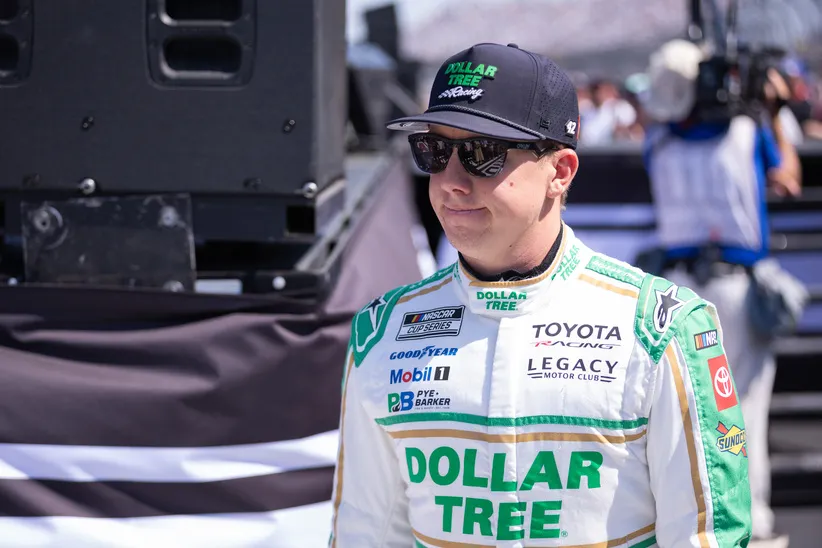
At the quarter mark of the NASCAR Cup Series season, the mood inside Legacy Motor Club isn’t simple. There’s measurable progress in speed, but it isn’t translating into finishes. That disconnect has started to define the team’s season. The gap between potential and execution has become the storyline.
Everyone inside the building knows the numbers don’t match the effort. For John Hunter Nemechek, the tone is direct. He sees where the gains have been made, and he also understands where they’re falling short.
In a results‑driven series, effort only matters when it shows up at the checkered flag. He isn’t interested in excuses, only solutions. That mindset has shaped how he talks about the season. He’s made it clear that accountability has to come before any talk of progress.
A Season Of Progress Without Results
Nemechek described the year as both encouraging and frustrating. The cars have shown better pace than in previous seasons, particularly in practice and during extended runs. That kind of improvement reflects real work behind the scenes. It also shows the team is trending in the right direction mechanically. The foundation is stronger than it was a year ago.
But the finishing positions haven’t followed. The team has struggled to convert speed into points, and that’s what keeps them buried in the standings. In NASCAR, the box score carries more weight than potential. A fast car that doesn’t finish well doesn’t change the standings. That reality has become a weekly reminder of where the work still lies.
The No. 43 team has had several races where the pace suggested a top‑10 finish. Those opportunities slipped away for different reasons, and each one adds pressure going forward. Over time, missed chances become a pattern that’s hard to ignore. The team knows those windows don’t stay open forever. Capitalizing on them is the only way to climb out of the hole.
Sarah Talker’s Question Gets to the Core Issue
As the conversation turned toward internal structure, one question cut to the heart of the situation. It focused on how the team is handling the constant changes happening behind the scenes. The question forced Nemechek to address the organizational side, not just the on‑track performance. It shifted the discussion from speed to stability.
“What adjustments have you made within the organization that have helped you navigate the changes that are currently going on?” Talker asked.
Nemechek noted that the biggest shift has been tightening communication between departments, especially on the engineering side. The team has restructured how information flows from the shop to the track, which has changed how they prepare each week.
He explained that several people have taken on new responsibilities, which has forced the group to redefine how decisions are made. Nemechek emphasized that the changes aren’t cosmetic. They’re meant to create a clearer process and eliminate the gaps that slowed them earlier in the year.
He also noted that the team is still learning how to operate under the new structure, but the direction feels more organized than it did at the start of the season. Nemechek didn’t oversell the progress, but he didn’t downplay it either. He framed the changes as necessary steps for a team trying to build something sustainable.
Building Chemistry Takes Time
Legacy Motor Club is still in its early stages in its current form. Nemechek framed it as a two‑year build, not a finished product ready to contend weekly. That timeline matters when evaluating performance. It sets realistic expectations for a team still finding its identity. Growth rarely happens in a straight line.
Teams that run consistently up front have years of continuity behind them. They understand communication, adjustments, and race flow at a deeper level. That kind of chemistry can’t be rushed. It’s built through repetition and shared experience. Legacy is still working toward that level of cohesion.
Legacy is still building that foundation. Personnel changes, new leadership, and evolving roles all take time to align. Until that process stabilizes, inconsistency is part of the reality. The team knows the pieces are there; they just aren’t fully connected yet. That’s the challenge of a program still under construction.
Speed Is There, Execution Is Not
The most revealing part of Nemechek’s comments is where the team is strong. Practice sessions have been competitive, and long‑run speed has held up against stronger teams. That suggests the cars are capable of more than the results show. The raw pace is not the issue. The problem is converting that pace into race‑day execution.
The issue starts early in the weekend. Qualifying has been a consistent problem, often putting the team in traffic before the race even settles in. Starting deep in the field creates problems that are difficult to overcome. It forces the team to play defense rather than dictate the race. That’s a tough position for any mid‑pack team.
The first run of the race has also been inconsistent. By the time adjustments bring the car to life later in the event, track position has already been lost. That forces the team into recovery mode instead of contention. It’s a cycle that repeats itself too often. Breaking it is the next step.
Fighting Through The Rut
Nemechek didn’t avoid the reality of the situation. The team is stuck in a cycle where finishes don’t match performance. That kind of stretch tests both patience and confidence. It also tests the depth of a team’s preparation. Every week becomes a chance to reset.
There have been races where external factors played a role, including mechanical issues and bad timing. At Talladega, a late problem erased what looked like a strong finish. Those moments are difficult to absorb when they keep happening. They also make it harder to evaluate true progress. The noise around the results can overshadow the gains.
There is also a mental challenge that comes with it. Resetting each week while carrying frustration from the last one is part of the job. Nemechek has leaned on preparation and routine to stay focused through it. He knows the only way out is through consistent execution. That mindset keeps the team grounded.
What This Means
Legacy Motor Club sits in a position where progress is visible but incomplete. The speed indicates the team is moving in the right direction. The results suggest there is still a gap to close. That duality defines their season. It’s a team caught between improvement and execution.
Nemechek’s comments reinforce that belief. The cars are better, but the execution has to match. That means improving qualifying, tightening early‑race performance, and avoiding mistakes that cost track position. Those are the areas that separate mid‑pack teams from contenders. Closing that gap is the next step.
The internal changes Sarah Talker asked about are part of that effort. They are designed to strengthen the foundation, not provide an immediate fix. The impact of those moves will take time to fully show. The team knows patience is required, even if the standings don’t yet reflect it.
What’s Next
There’s no confusion inside Legacy Motor Club about where things stand. The team has made gains, but they haven’t translated them into finishes. That’s the next step. The path forward is clear, even if the results haven’t arrived.
John Hunter Nemechek made it clear that the potential is there. The challenge now is turning that potential into results that reflect the work being done. Until that happens, the season will feel incomplete. The pieces are in place now. They just need to connect.
For More Great Content
Stay plugged in with more race analyses, features, and behind‑the‑garage storytelling. Follow Sarah on Facebook, LinkedIn, and X at Sarah Talker, where the conversation keeps rolling long after the checkered flag drops.
