
Mitchell Brings The Cleetus Crowd To Nashville, Aiming To Master the 1.33‑Mile Concrete Bullring

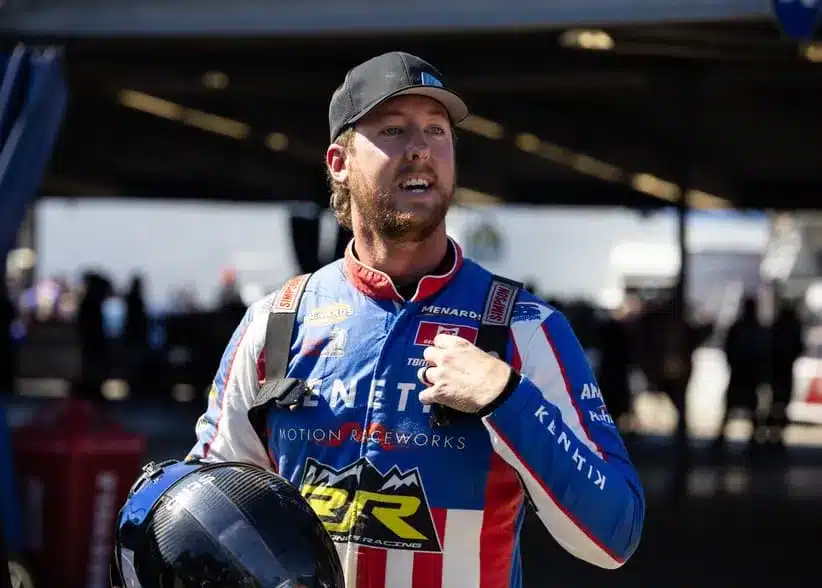
Garrett Mitchell, known to millions of online automotive fans as Cleetus McFarland, has been cleared by NASCAR to return to national‑series competition. He will drive the No. 33 Chevrolet for Richard Childress Racing in the NASCAR O’Reilly Series at Nashville Superspeedway on May 30.
The race will be his second start in the division and his first on a concrete intermediate track.Mitchell’s path into stock‑car racing has been unusual. His YouTube channel has grown to more than 3.5 million subscribers and built its identity around high‑horsepower builds, burnout contests, and grassroots drag‑racing events.
Over the past two seasons, he has shifted toward structured oval racing, logging laps in the ARCA Menards Series and working through the approval ladder required for NASCAR’s national divisions. Nashville marks the next step in that process and comes with expectations higher than those for his debut.
Rockingham Exposed the Learning Curve
Mitchell’s first O’Reilly Series race came earlier this spring at Rockingham Speedway. The 1.017‑mile oval is known for its abrasive surface and extreme tire falloff, and its return to the schedule reminded the field why the track has long carried a reputation for punishing mistakes.
Tire wear exceeded two seconds per lap over the run, and even experienced drivers struggled with balance issues throughout the afternoon. For a rookie making his debut, the challenge was steep. Mitchell battled loose conditions and spun several times as he tried to manage the worn tires and shifting grip levels.
He finished 32nd, multiple laps down, but kept the car intact and completed the full distance. Surviving 200 laps at Rockingham is a test in itself, and the finish showed he was committed to learning the discipline rather than treating the opportunity as a one‑off appearance.
Why Talladega Wasn’t Approved
After Rockingham, Richard Childress Racing submitted Mitchell for approval to compete at Talladega Superspeedway. NASCAR denied the request, but the decision followed long‑standing safety standards. Superspeedway racing requires sustained speeds above 190 mph and demands experience in pack racing.
Drivers typically need multiple national‑series starts or demonstrated proficiency on intermediate tracks before receiving clearance. Mitchell had only one O’Reilly Series start and no drafting‑pack experience at the national level. That lack of seat time made NASCAR’s decision straightforward.
The ruling was consistent with how NASCAR evaluates every developmental driver. While the decision disappointed his fanbase, it clarified the next step: an intermediate track where he could build experience without the unique risks of superspeedway racing. It simply meant he had to take the next rung on the ladder before moving up again.
Nashville Offers A Different Kind Of Test
Nashville Superspeedway, a 1.33‑mile concrete oval in Lebanon, Tennessee, presents a cleaner learning environment. The track features long straightaways, heavy braking zones, and a surface that rewards precision. Since returning to the schedule in 2021, Nashville has produced races defined by rhythm, throttle control, and the ability to maintain speed through long green‑flag cycles.
Mitchell now gets a chance to focus on fundamentals. Nashville’s concrete surface is far more predictable than Rockingham’s, giving him room to work on hitting marks, managing traffic, and holding pace over a full run. RCR will bolster that effort with extensive simulator work, the same system their full‑time drivers rely on.
Mitchell addressed the approval in a video to his audience, noting the hours of simulator work planned before the race weekend. RCR’s simulation program is one of the most advanced in the garage and is routinely used to prepare drivers for tracks with unique characteristics, such as Nashville.
Sponsorship And Support
For the Nashville event, Mitchell will carry backing from Tommy’s Express Car Wash, a partner that has supported several of his racing efforts. The sponsorship aligns with his broad digital reach and the brand’s interest in connecting with younger motorsports fans. The No. 33 Chevrolet will also benefit from RCR’s engineering depth, which includes multiple championships and more than 100 national‑series victories across its history.
The partnership also gives Mitchell something every developing driver needs: stability. Having a committed sponsor behind him allows RCR to invest time, data, and personnel into his progression rather than treating each start as a one‑off experiment. That consistency matters when a driver is trying to build confidence and credibility inside one of the most competitive garages in the sport.
It also signals that his program isn’t a novelty act. Backing from an established brand, paired with RCR’s resources, shows that his effort is structured, supported, and taken seriously. For a driver still earning his place in the national ranks, that combination can make the difference between a brief cameo and a long‑term opportunity.
What Mitchell Stands To Gain Or Lose
Nashville is more than a second start. It is a chance to reset the narrative after a difficult debut. A clean, consistent run would show measurable progress and strengthen his case for future approvals at larger tracks. A finish inside the top 25 would be a significant achievement given the depth of competition in the O’Reilly Series and the limited experience he brings compared to full‑time drivers.
Mitchell’s presence in the field also carries value for NASCAR. His audience is younger than the sport’s traditional demographic and highly engaged. Each time he competes, he brings new fans to the broadcast and the grandstands. He widens the sport’s reach every time he straps in, pulling an audience that doesn’t normally follow stock‑car racing.
His participation demonstrates that the developmental ladder can accommodate unconventional entrants, as long as they commit to the same standards of preparation and professionalism expected of all competitors. It shows there’s room for newcomers who earn their way the right way.
Looking Ahead To May 30th
When the No. 33 Chevrolet rolls through inspection at Nashville, Mitchell will face the most important race of his young stock‑car career. The field will be deep, the pace will be unforgiving, and the expectations will be higher than they were at Rockingham. But he will also enter the weekend better prepared, with more experience, and with a clearer understanding of what it takes to compete at this level.
Whether he finishes 15th or 30th, the key will be execution: clean laps, smart decisions, and steady improvement. If he delivers that, Nashville could become the turning point that leads to additional starts and, eventually, the superspeedway approval his fans have been waiting for.
What’s Next
On May 30, the concrete oval will provide the next set of answers. The spotlight will be bright, the stakes will be real, and the motorsports world will be watching to see how far Garrett Mitchell can climb. Every lap he runs, there will be something said about where his ceiling truly is.
How he handles that moment will shape the opportunities that follow. One steady run can open doors, and one mistake can stall momentum just as quickly. Nashville will show whether he’s ready for the next step or still building toward it.
For More Great Content
Stay plugged in with more race analyses, features, and behind‑the‑garage storytelling. Follow Sarah on Facebook, LinkedIn, and X at Sarah Talker, where the conversation keeps rolling long after the checkered flag drops.
