Michael Jordan Dunks On NASCAR in 2026 Courtroom Showdown

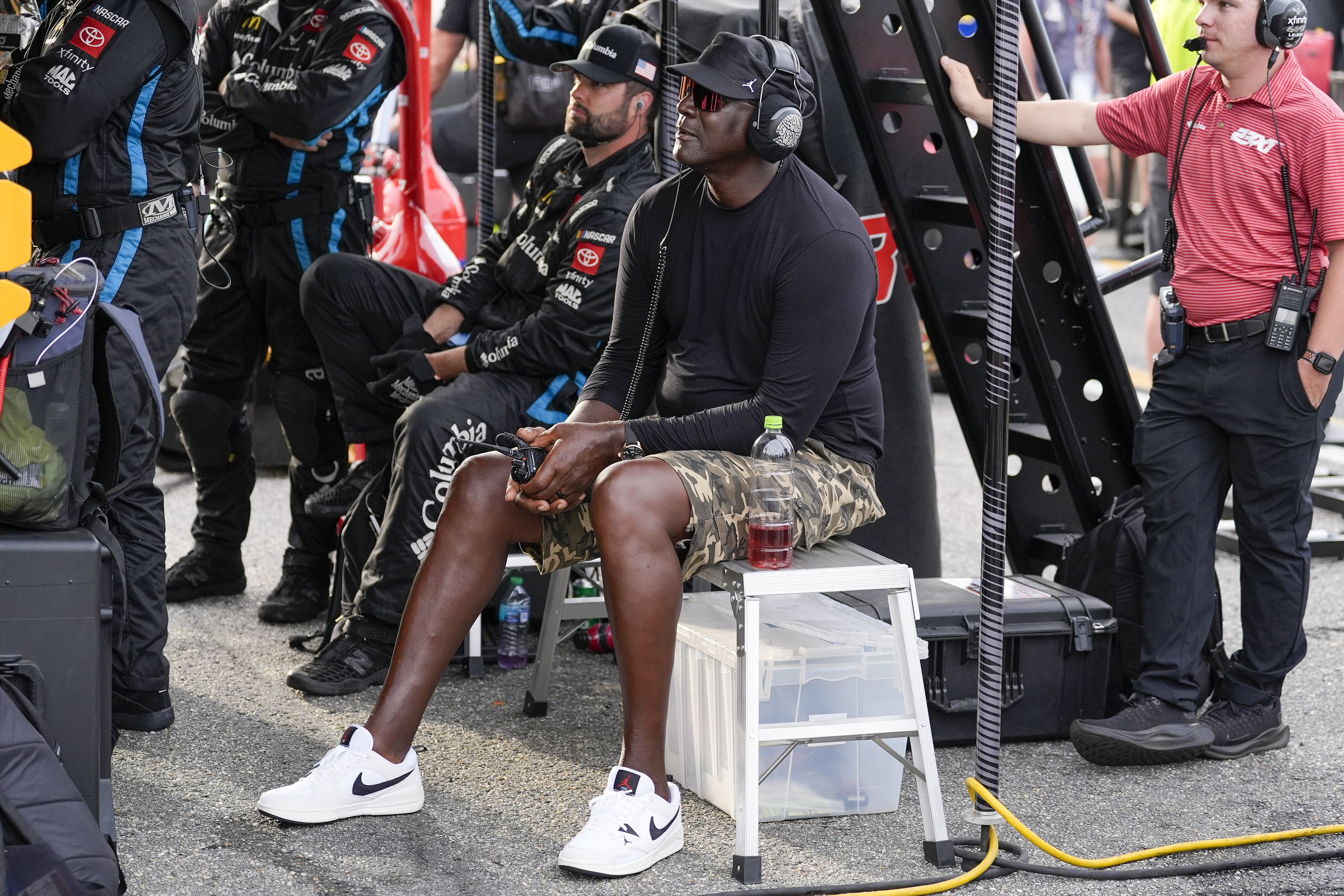
It’s not every day you see a six-time NBA champion trading the hardwood for a federal courtroom, but Michael Jordan has never been one to back down from a fight. On Friday, the basketball legend took the stand in Charlotte, N.C., and he didn’t exactly bring his friendly golf course demeanor with him.
Why Jordan Went To Court To Testify
Jordan, co-owner of 23XI Racing, is currently embroiled in a heated antitrust lawsuit against the stock car racing giant, effectively accusing the organization of running a monopoly that would make 19th-century oil barons blush.
For anyone thinking this was just a rich guy complaining about not being richer, Jordan’s testimony painted a very different picture. It wasn’t just about the bottom line; it was about the fundamental respect or lack thereof that NASCAR shows the people who actually put the product on the track.
The Difference Between NBA and NASCAR
During his testimony, Jordan didn’t pull punches when comparing his former stomping grounds to his current business venture. He described the NBA as a partnership, a place where the league and the owners grow the pie together. In contrast, he depicted the current stock car model as a dictatorship where the France family holds all the cards, and the teams are just lucky to be dealt a hand.”If you share responsibility, the healthiness of the sport can grow. I never saw Jim France drive a car and risk his life,” Jordan quipped.
The unspoken truth that hangs over every contract negotiation in racing. You have billionaires in air-conditioned boardrooms dictating terms to teams whose drivers strap themselves into missiles moving at 200 mph, with no union protections and questionable insurance coverage. It’s hard to argue it’s a “partnership” when only one side is risking a fiery crash.
A Whittled Negotiation Style
Jordan wasn’t the only one airing dirty laundry. Heather Gibbs, the COO of Joe Gibbs Racing, one of the most storied and successful teams in the garage, offered testimony that was arguably even more damning. Remember, Joe Gibbs Racing actually signed the new charter agreement that Jordan is refusing to accept. You’d think they would be happy, right?
Wrong. Gibbs described the signing process not as a negotiation, but as a hostage situation. She told the court that signing the 2025-2031 extension was the only option they had in a “take-it-or-leave-it” scenario. “As if you have a gun to your head,” Gibbs noted.
When one of your sport’s premier organizations says they only signed your contract because they felt they had a firearm pressed to their temple, you might have a public relations problem. It validates exactly why Jordan and 23XI Racing refused to sign. Its hard not to blame them at all.
What Happens Next For The Sport?
The outcome of this lawsuit could fundamentally change how NASCAR operates. If Jordan and Front Row Motorsports succeed in proving that the sanctioning body operates as an unfair monopoly, it could force a restructuring of the entire revenue model.
Jordan’s argument is simple: the sport needs to be looked at from a different perspective. The old “my way or the highway” approach might have worked when the sport was regional, but in a modern sports landscape dominated by player empowerment and revenue sharing, it looks archaic.
Final Thoughts
For now, the legal battle rages on. But one thing is clear: Michael Jordan didn’t come to Charlotte to make friends. He came to win. And judging by the testimony so far, he’s got a pretty compelling game plan. NASCAR has had so many issues for years, and this definitely is up there in controversy.