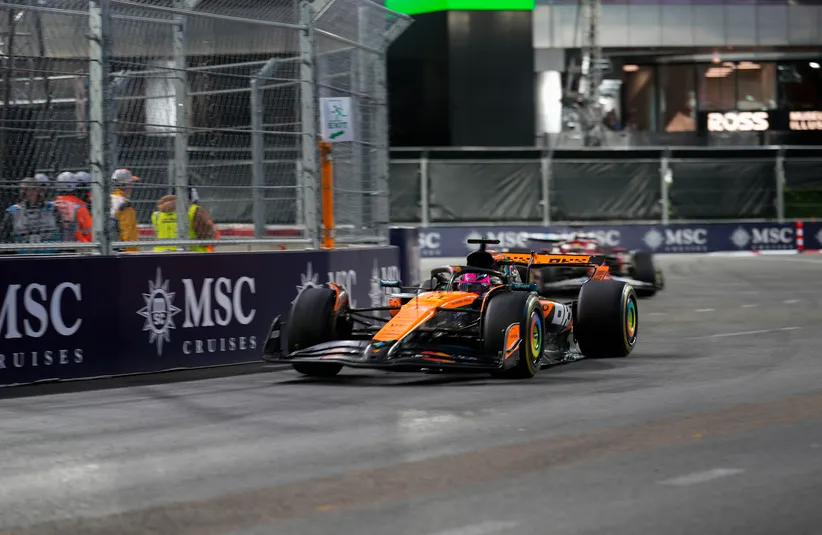
Inside Oscar Piastri’s Problems After First Run In McLaren MCL40

The 2026 Formula 1 season represents one of the biggest resets in the sport’s history. With sweeping changes to car architecture and power units, every team on the grid is effectively starting from zero. For McLaren, a team riding high on expectations after a strong previous year, the goal was simple: hit the ground running.
However, the reality of pre-season testing often bites back. Following a three-day shakedown in Barcelona, the team has emerged with a mix of valuable data and some genuine headaches. Oscar Piastri’s revelation that the team discovered “problems and limitations” with the new MCL40—specifically a fuel-system issue—has fans and rivals parsing every detail.
Is this just a classic case of pre-season “sandbagging,” or is there a genuine cause for concern in Woking? Let’s break down what happened in Barcelona and what it means for the upcoming Bahrain tests.
A Mixed Bag in Barcelona
The Barcelona shakedown, held behind closed doors in late January and early February, was McLaren’s first real opportunity to see how the MCL40 behaves on actual asphalt. Simulation data is great, but nothing beats putting rubber on the road.
Over the course of three days, the team logged nearly 300 laps in total. Lando Norris took the wheel for the first two days, putting in a solid shift of 76 laps. His running was crucial for validating the initial aerodynamic concepts and cooling packages required by the new 2026 regulations.
However, the mood shifted when Oscar Piastri took over. The Australian driver’s session was cut short after just 48 laps due to a fuel-system problem. While 48 laps isn’t a total washout, losing the tail end of a testing program means missing out on vital long-run data and system checks that were scheduled for the final hours.
The “Fuel-System” Gremlin
In the high-stakes world of F1 engineering, “fuel-system issue” can mean anything from a minor sensor glitch to a fundamental packaging flaw. Piastri was blunt in his assessment, noting that the team found clear limitations.
Why does this matter so much? The 2026 regulations have forced teams to redesign how fuel, cooling, and power units interact. The plumbing inside these cars is tighter and more complex than ever. A fuel system that acts up during a shakedown prevents the team from running full race simulations or pushing the engine to its maximum modes.
The fact that McLaren had to stop the car suggests this wasn’t something that could be fixed with a quick laptop plug-in in the garage. It required a hard stop, leaving Piastri with significantly less seat time than his teammate heading into the official Bahrain tests.
Why the 2026 Reset Raises the Stakes
In a normal season with stable regulations, a fuel issue in a shakedown would be a minor annoyance. But 2026 is not a normal season. The new baseline for car architecture means that historical data is largely irrelevant.
Teams use these limited shakedown windows to:
- Validate Cooling: Ensuring the new power units don’t overheat inside the new chassis.
- Check Plumbing: Verifying that fuel and hydraulic fluids flow correctly under G-force.
- Correlate Aero: Making sure the wind tunnel numbers match the track reality.
When reliability issues strike this early, they force engineers to spend time fixing the car rather than improving it. While Norris managed to get good mileage, the “limitations” Piastri referred to could hint at broader aerodynamic or packaging compromises that might take weeks, not days, to refine.
Managing the Midfield Battle
Publicly, McLaren is keeping a cool head. The official line emphasizes the “valuable data” gathered. However, in a midfield that is expected to be tighter than ever, lost track time is a currency you can’t get back.
If the issues encountered in Barcelona are merely “teething troubles”—software bugs or easily replaced parts—McLaren can recover quickly in Bahrain. But if the fuel-system fault points to a need for redesigned hardware, they could start the season on the back foot.
Frequently Asked Questions
How serious was the issue with Piastri’s car?
McLaren treated it seriously enough to end his session early. While they haven’t released specific technical details, the team labeled it a “limitation worth addressing.” This usually implies a hardware concern rather than a quick software fix.
Will this hurt McLaren’s chances at the first race?
It depends on the fix. If the team resolves the fuel-system glitch before the official Bahrain testing, the impact will be minimal. However, if the issue persists into the official test, it will eat into the time needed for performance tuning, which could leave them trailing rivals in the opening rounds.
Did Lando Norris have similar issues?
Lando Norris ran for the first two days and logged 76 laps without the session-ending drama that Piastri faced. This suggests the car has potential reliability, but consistency remains the target.
What Comes Next for McLaren?
The clock is now ticking toward Bahrain. The engineers at the McLaren Technology Centre will be analyzing the telemetry from Piastri’s truncated run to determine if the “limitations” require a new part or just a new approach.
For fans, the key indicator will be the first morning of testing in Bahrain. If the MCL40 heads out immediately and pounds round after round, we’ll know the Barcelona gremlins have been banished. If the car spends the morning up on the jacks with screens around the garage, those “limitations” might be more stubborn than they first appeared.
One thing is certain: in the new era of 2026, there is nowhere to hide.