
Matt Swiderski Takes The Helm As Acting Crew Chief For The No. 21 At Kansas

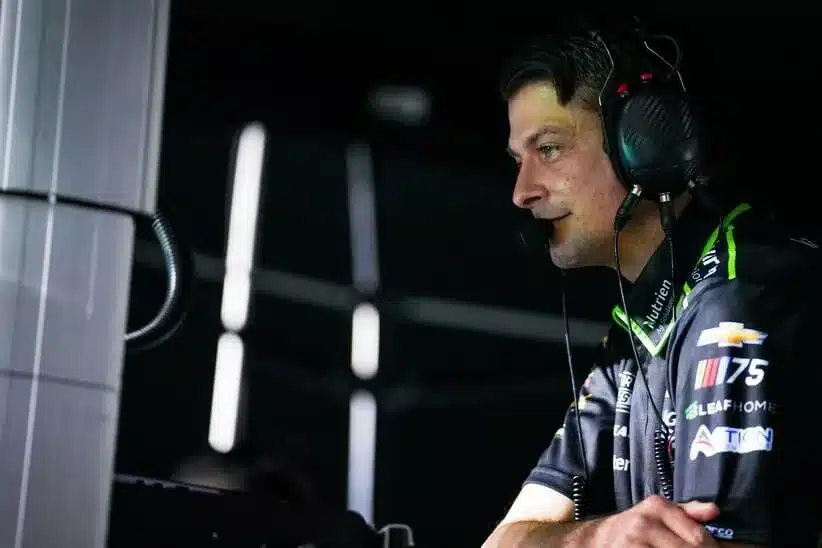
Adaptability is part of the DNA of every NASCAR Cup Series team. Schedules are tight, travel is constant, and the demands never really slow down. But life outside the racetrack doesn’t always cooperate, and this weekend Wood Brothers Racing is adjusting on the fly. With crew chief Miles Stanley away for personal reasons, the team has turned to a familiar and experienced voice.
Matt Swiderski will take over as acting crew chief for the No. 21 Ford as the series heads to Kansas Speedway.Stanley has worked with Josh Berry since the driver joined the Wood Brothers ahead of the 2025 season, and this marks his first missed race in more than a year. The team moved quickly to ensure continuity atop the pit box.
In a sport built on 38 race weekends and thousands of miles of travel, personal matters have to come first. The Wood Brothers now in their 74th season and still the winningest team in NASCAR history with 99 Cup victories have always operated with a family‑first mentality. Even so, the No. 21 still needs leadership atop the pit box, and Swiderski brings plenty of it.
A Veteran Voice Takes The Helm
Swiderski joined the organization during the offseason as performance engineering director, overseeing simulation work, setup development, and technical coordination across the Ford camp. Before that, he spent five full seasons as a Cup Series crew chief, logging more than 175 races.
His résumé includes three Cup Series wins two with AJ Allmendinger on road courses and one with Daniel Suárez at Sonoma in 2022. During his time at Trackhouse Racing, he consistently ranked among the most efficient strategists in the field, especially in two‑tire calls and short‑pitting windows.
His engineering background runs just as deep. Swiderski previously worked in simulation and vehicle dynamics roles, giving him a strong understanding of the Ford Mustang Dark Horse platform introduced in 2024. That knowledge matters at Kansas, where aerodynamic balance and tire falloff shape the entire race.
Kansas Speedway is a 1.5‑mile tri‑oval with progressive banking and multiple racing grooves. Average race speeds top 155 mph, and long green‑flag runs often stretch beyond 30 laps. Tire falloff can exceed 1.5 seconds over a fuel run, and the track changes dramatically as the sun sets. Swiderski’s analytical approach positions him well to stay ahead of those shifts.
Berry Looks To Rebound
For Josh Berry, Kansas arrives at an important point in his season. Through eight races in 2026, he sits 25th in the standings with an average finish of 20.8. He has shown flashes of speed, including two top‑10 finishes and a strong run at Martinsville, where he posted the sixth‑best long‑run speed in the field.
But Bristol was a setback, with handling issues and late‑race contact dropping him to 32nd.Kansas offers a chance to reset. Berry finished 12th at the track last fall, his best result on a 1.5‑mile oval. The No. 21 pit crew has also been a steady strength, ranking 11th in average four‑tire stop time at 10.5 to 11.2 seconds.
On a track where pit road can swing the race, that consistency gives Swiderski a solid foundation.His history of aggressive strategy could help Berry gain track position. During his Trackhouse tenure, Swiderski’s pit calls often gained four to six spots per cycle.
Kansas frequently rewards bold decisions, especially during late cautions when two‑tire calls or short‑pitting can flip the running order. Drivers know the window to make a move is small, and the teams that react fastest usually come out ahead. One well‑timed gamble can change the entire tone of a race there.
Why Swiderski Fits The Moment
Swiderski already knows the team’s simulation data, setup tendencies, and communication structure. That familiarity means Wood Brothers Racing doesn’t have to alter their preparation model. He understands the internal dynamics of the engineering group and the broader Ford performance program, which is invaluable on a weekend where the team must adjust quickly.
For Berry, a temporary change atop the pit box can offer a fresh perspective. Drivers often talk about how a different voice on the radio can shift the rhythm of a weekend or spark a new setup idea. Berry has built his career on adaptability, and Kansas will test that skill again.
The broader significance for Wood Brothers Racing is stability. With Swiderski stepping in, the team retains strategic depth and avoids disruption during a critical stretch of the season. Few organizations have an engineering director with multiple Cup wins ready to take over on short notice.
The move also highlights the strength of the Wood Brothers’ internal structure, where experience and technical depth allow them to handle unexpected challenges without losing competitiveness. It’s a reminder of how well the organization prepares for moments exactly like this.
What’s Next
Miles Stanley’s absence is a hurdle, but Wood Brothers Racing is well‑positioned to handle it. With Matt Swiderski stepping in as acting crew chief, the No. 21 Ford gains a proven winner, a sharp strategist, and one of the most experienced engineering minds in the garage.
If Berry and Swiderski find chemistry early in practice and qualifying, this temporary pairing has the potential to deliver a strong run in the Midwest. The spotlight will be on the No. 21—and they have the leadership to make the most of it.
For More Great Content
Stay plugged in with more race analyses, features, and behind‑the‑garage storytelling. Follow Sarah on Facebook, LinkedIn, and X at Sarah Talker, where the conversation keeps rolling long after the checkered flag drops.
