
Hollywood Legend Kurt Russell to Command the Field at the Daytona 500

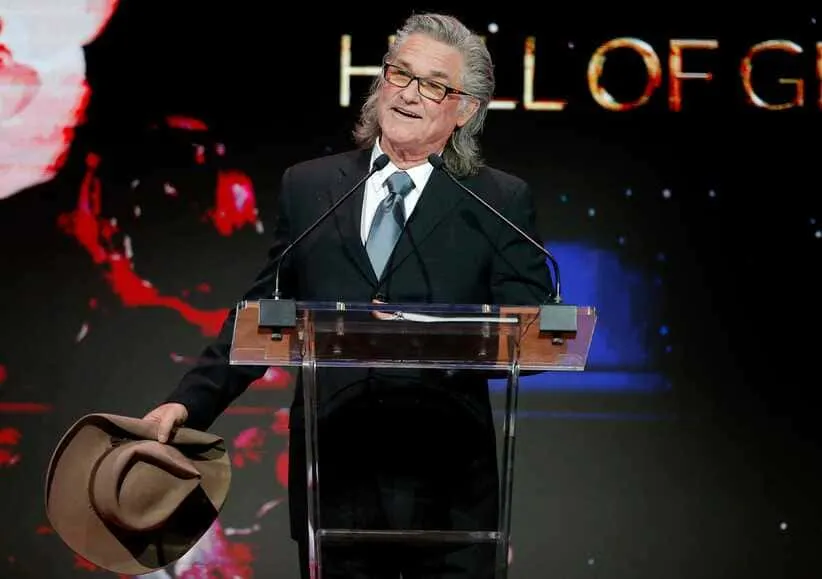
When the engines fire for the 2026 Daytona 500, a familiar face with a surprising history of speed will be leading the pack. In a move that blends Hollywood grit with Daytona asphalt, NASCAR officials have handed the keys to the honorary pace car to Kurt Russell.
The announcement dropped during the Fox broadcast of the NFC Championship game between the Seattle Seahawks and Los Angeles Rams, immediately sparking conversation across the racing world.
Celebrity appearances at the Great American Race are nothing new, but this one carries a different weight. Russell isn’t a token name or a marketing stunt. He’s someone who actually knows what it feels like to push a machine to its edge.
Russell Returns to His Racing Roots
To the casual viewer, Russell behind the wheel might look like a standard promotional tie‑in. He is, after all, gearing up for the February 27 premiere of season two of Monarch: Legacy of Monsters on Apple TV. But anyone who knows Russell’s background understands why this moment fits him better than most.
Long before he was Snake Plissken or Wyatt Earp, he was a kid tearing up quarter‑midget tracks. In the late 1950s, Russell and his sisters were regulars in the fiercely competitive quarter‑midget scene. This wasn’t a weekend hobby. It was a family pursuit, and Russell excelled. At just eight years old, he won the 1959 United States National Championship in Las Vegas.
He wasn’t acting then. He was racing. Over the years, he collected hundreds of trophies while driving a “Pacemaker” quarter‑midget. This also happens to be the same car he recently donated to the Museum of American Speed in Lincoln, Nebraska. That little machine sat in storage for decades, a reminder of a path he might have followed had Hollywood not intervened.
From Quarter Midgets to Silver‑Screen Stunts
Russell’s connection to speed didn’t fade as his acting career took off. Even as he became a household name in the 1960s with films like Follow Me, Boys, the competitive fire stayed lit. By the 1980s, he had traded small dirt tracks for the open water, competing in offshore powerboat racing and a sport known for danger, unpredictability, and the kind of physical punishment only adrenaline junkies willingly sign up for.
He raced alongside other thrill‑seeking actors like Don Johnson and even lost a memorable showdown to Chuck Norris. Offshore racing is not for the timid, and Russell fit right in. His comfort behind the wheel carried over to the screen. Russell has long been known for doing his own driving in films, especially when the scene involves real speed.
His turn as Stuntman Mike in Quentin Tarantino’s Death Proof wasn’t just performance, but sheer instinct. When the car slides, pivots, or claws for grip, much of that is Russell relying on decades of understanding how a vehicle behaves at the limit.
A Perfect Match for the Great American Race
Frank Kelleher, President of Daytona International Speedway, summed up the decision well. He noted that the Daytona 500 is “bigger than a race,” and that Russell’s impact on entertainment mirrors the kind of iconic moments NASCAR is built on. Russell fits the NASCAR crowd in a way few celebrities do. He isn’t a pop star awkwardly zipped into a fire suit. He’s the guy who stared down Val Kilmer in Tombstone.
He’s the coach who led the 1980 U.S. Olympic hockey team to gold in Miracle. He carries a rugged, distinctly American presence that resonates with the fans who fill the infield every February. When he leads the field to the green flag on February 16, he won’t look out of place. He’ll look like someone returning to familiar ground.
What This Means for the Daytona 500
Choosing Russell accomplishes two things for NASCAR. First, it adds star power without sacrificing authenticity. Fans can spot a forced celebrity cameo instantly. Russell’s enthusiasm is real and as he’s already said, “It’s been a long time since I’ve been in a race car,” and you can tell he means it.
Second, he bridges generations. Russell has been a fixture in American entertainment for more than sixty years. He’s recognizable to the grandfather who remembers The Computer Wore Tennis Shoes and the teenager who knows him from Fast & Furious or the Marvel universe. NASCAR is always looking to broaden its reach, and Russell is one of the rare figures who appeals across age groups.
Why Choosing Russell Fits
The Daytona 500 thrives on spectacle. It’s the Super Bowl of stock‑car racing, except it happens at the start of the season instead of the end. It demands energy, tradition, and a touch of showmanship.
By choosing Kurt Russell, NASCAR found someone who brings all of that without feeling out of place. He’s not just a celebrity riding along for the cameras. He’s someone who understands racing, respects the sport, and has lived a life shaped by speed in more ways than most people realize.A
A Full-Circle Moment
Kurt Russell pacing the field at the 2026 Daytona 500 isn’t a gimmick, but an example of a full‑circle moment. A kid who once dominated quarter‑midget tracks will return to one of the most famous racing surfaces in the world, not as an actor playing a part, but as someone who genuinely belongs behind the wheel.
When that pace car pulls off and the field roars to life, Russell will be doing what he’s always done: embracing the thrill, respecting the craft, and adding another chapter to a career defined by authenticity. If NASCAR wanted a pace car driver who embodies the spirit of the Daytona 500, they couldn’t have picked anyone better.
