Key Storylines Shaping The 2026 Daytona 500 After The Duels

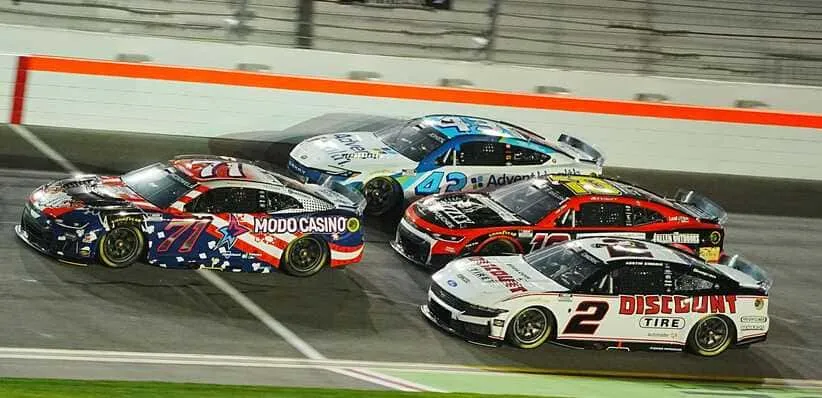
Speedweeks reached its boiling point Thursday night as the 2026 Daytona Duels delivered the final and most dramatic step in setting the field for the 68th running of the Daytona 500. For some drivers, the Duels are a formality, a chance to fine‑tune their cars before the biggest race of the year.
For others, especially the open entries fighting for the last remaining spots, they are a high‑stakes gauntlet where one mistake can erase months of preparation. This year’s pair of 60‑lap sprints showcased everything Daytona is known for: breathtaking speed, unpredictable wrecks, strategic brilliance, and the kind of emotional swings only superspeedway racing can produce.
The night produced two very different races, one defined by chaos and survival, the other by discipline and execution, but both were packed with moments that will shape the storylines heading into Sunday. Joey Logano and Chase Elliott emerged as the Duel winners, but the real story stretched far beyond Victory Lane.
From Bubba Wallace’s heartbreaking crash to Chase Briscoe’s costly pit road miscue, from Casey Mears’ underdog triumph to Anthony Alfredo’s inspection drama, the Duels didn’t just set the grid. They revealed who’s ready, who’s vulnerable, and who might be a surprise threat when the green flag waves for the Great American Race.
Duel 1: Logano Survives the Carnage
Duel 1 Starting Lineup
- Kyle Busch (Richard Childress Racing) — No. 8
- Ryan Preece (RFK Racing) — No. 60
- Corey Heim (23XI Racing) — No. 67
- Alex Bowman (Hendrick Motorsports) — No. 48
- Chris Buescher (RFK Racing) — No. 17
- Joey Logano (Team Penske) — No. 22
- Austin Dillon (Richard Childress Racing) — No. 3
- Corey LaJoie (RFK Racing) — No. 99
- John Hunter Nemechek (Legacy Motor Club) — No. 42
- Brad Keselowski (RFK Racing) — No. 6
- Ryan Blaney (Team Penske) — No. 12
- William Byron (Hendrick Motorsports) — No. 24
- Cole Custer (Haas Factory Team) — No. 41
- Cody Ware (Rick Ware Racing) — No. 51
- Jimmie Johnson (Legacy Motor Club) — No. 84
- Bubba Wallace (23XI Racing) — No. 23
- AJ Allmendinger (Kaulig Racing) — No. 16
- Ross Chastain (Trackhouse Racing) — No. 1
- Shane van Gisbergen (Trackhouse Racing) — No. 97
- Daniel Suárez (Spire Motorsports) — No. 7
- Chandler Smith (JTG Daugherty Racing) — No. 36
- Casey Mears (Garage 66) — No. 66
- Noah Gragson (Front Row Motorsports) — No. 4
The first Duel was a reminder of why Daytona is both beloved and feared. The opening laps were tense but controlled, with Kyle Busch showing the strength of the RCR program and Corey Heim proving his qualifying speed was no fluke. But as the laps wound down, urgency took over, and Daytona’s razor‑thin margin for error revealed itself.
The turning point came when Bubba Wallace, one of the fastest cars all night, was swept into a multi‑car crash with just a handful of laps remaining. Wallace had been positioning himself for a late run at the win, but a mistimed push in the draft triggered a chain reaction that brought down several contenders. In seconds, the race flipped upside down.
The wreck didn’t just suddenly eliminate fast cars. It reshaped the entire strategy. Suddenly, drivers who had been riding safely found themselves in transfer positions, while others were forced to claw back track position in overtime.
Joey Logano, a superspeedway surgeon, took over from there. His overtime restart was flawless: perfect launch, lane control, and air management. Brad Keselowski threw everything at him, but Logano anticipated every move. It was a veteran’s win, calm, calculated, and ruthless.
For Casey Mears, the night was about survival. As an open driver, his Daytona 500 hopes depended entirely on avoiding the chaos that claimed others. While faster cars wrecked around him, Mears kept his line, avoided disaster, and secured his place in the 500. For a small team like Garage 66, that’s a victory worth more than any trophy.
Duel 2: Elliott’s Clean Getaway
Duel 2 Starting Lineup
- Chase Briscoe (Joe Gibbs Racing) — No. 19
- Denny Hamlin (Joe Gibbs Racing) — No. 11
- Kyle Larson (Hendrick Motorsports) — No. 5
- Chase Elliott (Hendrick Motorsports) — No. 9
- Ty Gibbs (Joe Gibbs Racing) — No. 54
- Christopher Bell (Joe Gibbs Racing) — No. 20
- Justin Allgaier (JR Motorsports) — No. 40
- Austin Cindric (Team Penske) — No. 2
- Zane Smith (Front Row Motorsports) — No. 38
- Michael McDowell (Front Row Motorsports) — No. 71
- Connor Zilisch (Trackhouse Racing) — No. 88
- Erik Jones (Legacy Motor Club) — No. 43
- Josh Berry (Wood Brothers Racing) — No. 21
- Carson Hocevar (Spire Motorsports) — No. 77
- Riley Herbst (23XI Racing) — No. 35
- Todd Gilliland (Front Row Motorsports) — No. 34
- Anthony Alfredo (Beard Motorsports) — No. 62
- Ty Dillon (Kaulig Racing) — No. 10
- Ricky Stenhouse Jr. (Hyak Motorsports) — No. 47
- Tyler Reddick (23XI Racing) — No. 45
- BJ McLeod (Live Fast Motorsports) — No. 78
- J.J. Yeley (NY Racing Team) — No. 44
If Duel 1 was a street fight, Duel 2 was a chess match at 200 mph. The race ran caution‑free, a rarity at Daytona, allowing strategy and raw speed to shine without the usual superspeedway chaos.
Chase Briscoe dominated early, showing why he earned a front‑row starting spot. But a slow pit stop erased all his track position. At Daytona, pit road execution is everything, and Briscoe learned that lesson the hard way.
Chase Elliott capitalized instantly. When Briscoe faltered, Elliott took the lead and never surrendered it. With no cautions to bunch the field, Elliott’s clean‑air advantage became insurmountable. It was a statement win that signaled Hendrick Motorsports came to Daytona prepared.
Anthony Alfredo’s night was a roller coaster. He raced his way into the 500 on merit a huge accomplishment for an open entry before a failed post‑race inspection wiped out his Duel finish. Even so, his on‑track performance proved he belongs.
Top Storylines Heading Into the 2026 Daytona 500
Joey Logano Looks Like the Early Favorite
Logano’s Duel 1 victory wasn’t just another superspeedway win it was a masterclass in controlling the air. When the field reset after the late crash, Logano positioned himself perfectly, managing both lanes with the kind of precision that only comes from years of Daytona experience.
His Ford showed exceptional stability in the draft, and his ability to anticipate Brad Keselowski’s runs demonstrated why he’s consistently one of the most dangerous drivers at this track. If the No. 22 team brings the same balance and push strength to the 500, Logano will be a force from the opening lap to the final sprint.
Chase Elliott’s Duel 2 Win Shows Hendrick Is Locked In
Elliott’s performance in Duel 2 was the polar opposite of Logano’s chaotic battle and just as impressive. With the race running caution‑free, Elliott had to win on pure speed and clean execution. The No. 9 Chevrolet handled beautifully in clean air, and Elliott’s ability to maintain control.
However, doing this without the benefit of restarts or drafting chaos speaks volumes about Hendrick Motorsports’ preparation. His win wasn’t opportunistic. It was earned through discipline, patience, and a car that responded to every command. That combination is often what wins the Daytona 500.
Bubba Wallace Has Race‑Winning Speed: If He Can Stay Clean
Bubba Wallace’s Duel 1 speed was undeniable. Before the wreck, he was making bold, confident moves that suggested the No. 23 Toyota had the pace to challenge for the win. But Daytona is unforgiving, and Wallace once again found himself on the wrong end of a drafting miscue.
The good news? His car is fast enough to contend. The challenge? He’ll be starting deeper in the field, where the risk of getting caught in someone else’s mistake is exponentially higher. If Wallace can escape the early chaos and reach the front, he has the raw speed to be a legitimate threat.
Pit Road Could Decide the 500
Chase Briscoe’s Duel 2 misstep was a stark reminder that Daytona isn’t just won on the track, it’s won on pit road. Briscoe dominated the early laps, but one slow stop erased all his momentum and forced him into recovery mode.
In a 500‑mile race where track position can evaporate in seconds, pit crews will play a massive role in determining who stays in contention. Teams that execute flawlessly will have a chance to control the race. Those that falter may find themselves buried in the pack with no way out.
Open Drivers Earned Their Spots the Hard Way
The Duels are often the most stressful night of the year for open teams, and 2026 was no exception. Casey Mears survived the Duel 1 wreck and raced his way into the 500 through sheer composure, giving Garage 66 a massive victory before the main event even began.
Anthony Alfredo initially raced his way in during Duel 2 before failing post‑race inspection, but his on‑track performance proved he has the talent and poise to compete with the charter teams. These drivers don’t just fill out the field. They fight tooth and nail for every inch, and their presence adds an underdog energy to Sunday’s race.
Manufacturer Strength Is Taking Shape
The Duels offered the clearest look yet at the balance of power among the manufacturers. Ford showed the strongest raw speed, with Logano, Keselowski, and Blaney all demonstrating excellent push strength and stability in the draft. Chevrolet excelled in clean air, with Elliott and Larson showcasing smooth, predictable handling that will be crucial in long green‑flag runs.
Toyota flashed impressive pace but struggled in traffic, particularly in tight packs where stability becomes critical. These differences will shape strategy on Sunday, especially as teams decide when to pit, whom to draft, and how aggressively to position themselves.
The Mid‑Pack Will Be a Danger Zone
Several major contenders, including Bubba Wallace, William Byron, and multiple Toyotas, will start deeper in the field than expected. That puts them squarely in the most volatile part of the Daytona 500: the mid‑pack accordion zone.
This is where small mistakes become big wrecks, where aggressive pushes can turn into multi‑car crashes, and where survival often matters more than speed. Drivers who can navigate this chaos early will have a chance to fight for the win; those who can’t may see their Daytona dreams end before the race truly begins.
Experience Will Matter on Sunday
The Duels made one thing clear: the veterans are ready. Logano, Elliott, Hamlin, Keselowski, and Kyle Busch all showed flashes of race‑winning form, and each has the experience to manage the draft when the intensity spikes in the final 20 laps.
Daytona rewards patience, timing, and an understanding of how the pack behaves, qualities that only come with years of superspeedway racing. When the field fans out and the blocks get bolder, expect the seasoned drivers to rise to the front.
What’s Next
The 2026 Daytona Duels didn’t just set the field. They revealed the strengths, weaknesses, and storylines that will shape Sunday’s Daytona 500. Duel 1 delivered chaos and heartbreak, while Duel 2 showcased precision and discipline. Together, they painted a clear picture of what awaits: a Daytona 500 where speed, strategy, and survival will collide in spectacular fashion.
Forty drivers now turn their attention to the biggest race of the year. Some arrive with momentum, others with something to prove, but all with the same dream. Lifting the Harley J. Earl trophy. If Thursday night was any indication, the 2026 Daytona 500 is poised to deliver a race worthy of its legacy.
