Jordan, Hamlin, and Polk at the Center of NASCAR vs. 23XI Courtroom Dispute

The courtroom battle between NASCAR and 23XI Racing is heating up, and it’s getting personal. With the antitrust trial just days away, the drama isn’t on the track but in the legal briefs, as NASCAR tries to bench two of 23XI’s superstar owners from the proceedings. This isn’t just about money or charters anymore.
It’s a high-stakes chess match that could dictate how the sport’s biggest names can fight for their place at the table. At the heart of this latest skirmish is a legal jargon term known as ‘Federal Rules of Evidence, 615.’ In plain English, it’s a rule designed to stop witnesses from hearing each other’s testimony and tailoring their stories accordingly.
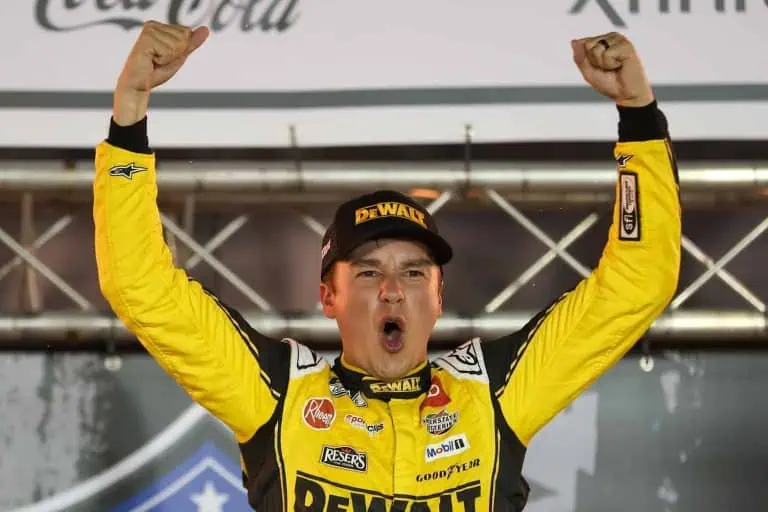
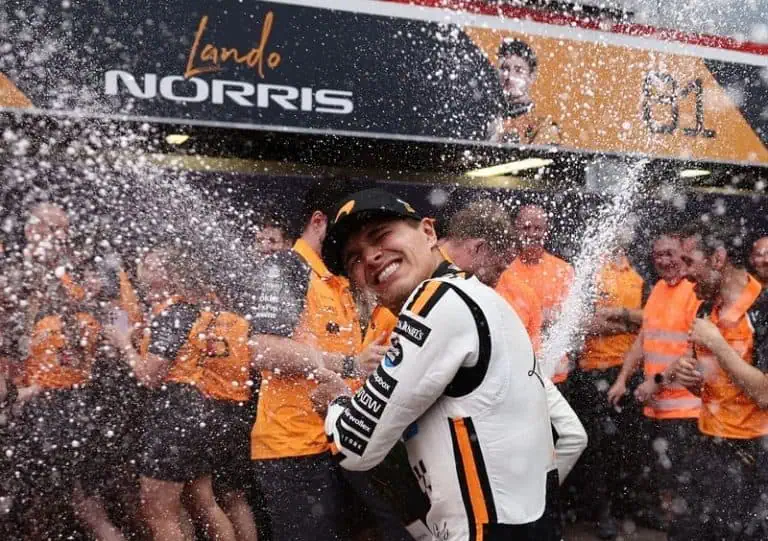
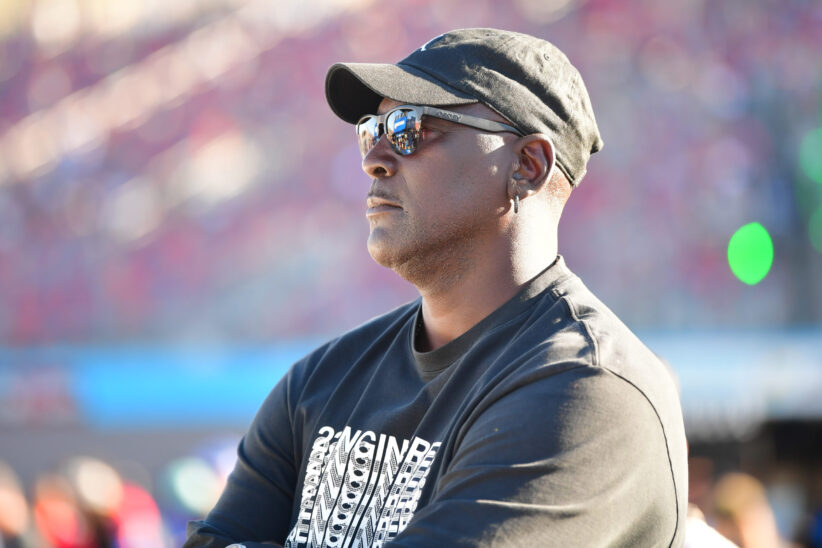
NASCAR is using this rule to argue that only one of 23XI’s owners, Michael Jordan, Denny Hamlin, or Curtis Polk, should be allowed in the courtroom at a time. The sanctioning body wants to prevent any chance of collusion, ensuring that when these key figures take the stand, their testimony is pure and uninfluenced.
This is a power play, and it’s a smart one. NASCAR’s legal team is essentially saying, “We want to hear what each of you really thinks, without the others whispering in your ear.” They even quoted a legal precedent describing witness sequestration as one of the “greatest engines that the skill of man has ever invented for the detection of liars.” The message is clear: NASCAR is preparing for a fight and wants every tool at its disposal to poke holes in 23XI’s case.
Can 23XI Keep Its All-Star Lineup in the Courtroom?
23XI Racing isn’t backing down. They’ve fired back with their own motion, arguing that all three of their owners are essential and have every right to be present for the entire trial. Their lead attorney, the formidable Jeffrey Kessler, has designated Michael Jordan as the team’s official representative, a move that secures his spot in the room. But they’re fighting to keep Hamlin and Polk there, too.
Their argument is threefold. First, they claim Curtis Polk should be present because he was a named counterdefendant in a NASCAR suit that has since been dismissed. Since NASCAR might appeal that dismissal, 23XI contends that Polk is still a party to the action and must be allowed to see it through.
Second, they argue that both Hamlin and Polk are “essential” to presenting their case. Polk, with his deep involvement in the charter negotiations, and Hamlin, with his unique perspective as both a top-tier driver and a team owner, represent different but equally critical parts of the puzzle.
Their lawyers claim they need both men by their side to effectively counter NASCAR’s arguments and paint a complete picture for the jury. It’s like heading into the Daytona 500 without your crew chief and spotter. You’re at a serious disadvantage.
A Battle of Wills Before the Trial Begins
This back-and-forth highlights the deep mistrust and animosity that have been brewing for months. While 23XI has stated they have no issue with members of the France family being present for the trial, NASCAR is taking a much harder line. They’ve made it clear they believe there’s a real risk that the 23XI owners could “shape their testimony” based on what they hear in court.
It’s a fascinating look at the strategy and tension behind one of NASCAR’s most significant legal challenges. For NASCAR fans, this is a reminder that even the fiercest competition doesn’t always equal speed. Sometimes it takes place in a quiet courtroom where the future of the sport hangs in the balance.
Final Thoughts
Now the decision rests with Judge Kenneth D. Bell, who will get a front-row seat for the 23XI Court proceedings. His ruling will set the precedent for the trial and will give at least one team an advantage before opening arguments begin. The engines may be running quietly, but the battle for NASCAR’s soul rages on. The engines are quiet for now, but the fight for NASCAR’s soul rages on.