
Kaden Honeycutt Delivers Precision Lap To Capture The Bristol Truck Series Pole

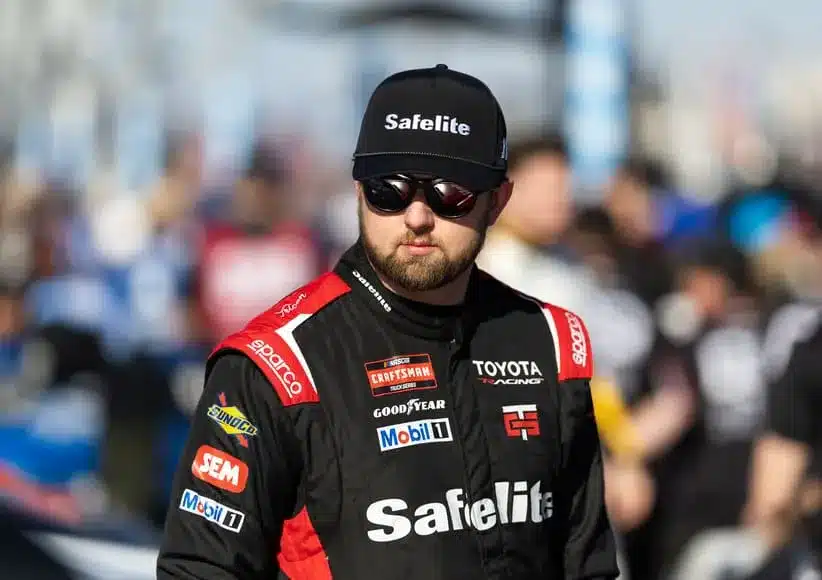
Bristol Motor Speedway has humbled some of the best drivers in NASCAR history. The .533‑mile concrete oval produces 15–16 second laps, 3‑plus Gs in the corners, and racing lines that sit inches from the outside wall. It is a track that exposes hesitation instantly. Kaden Honeycutt’s pole run for the Truck Series wasn’t just quick.
It was the kind of lap that leaves a driver physically rattled. The margin for error at Bristol is measured in inches, not feet. Every driver in the garage knows a pole lap here demands absolute commitment.
The Raw Emotion Of Bristol Motor Speedway
Drivers usually step out after qualifying with a quick breath and a standard interview. Honeycutt didn’t have that luxury. His hands were shaking as he pulled off his helmet, the result of holding a truck on the edge for a lap that lasted barely half a minute.
Bristol forces drivers to commit to the throttle earlier than instinct allows, and the wall never stops creeping into the corner of your eye. One missed mark at 120 mph sends the truck straight into the SAFER barrier.
The physical strain of Bristol hits harder than most short tracks because the load never lets up. Even veterans admit that a perfect lap here feels like controlled chaos from start to finish. The track forces drivers to stay tense from entry to exit with no room to breathe.
How the Cost Cap Shapes Short‑Track Pressure
The stakes behind that lap go beyond pride. In today’s financial landscape, a wrecked truck on a Friday can cripple a smaller team’s season. Under the current spending restrictions, organizations must stretch limited parts inventories across multiple races.
Backup chassis are fewer. Spare suspension pieces are rationed. Every qualifying run carries real financial risk. Honeycutt and his crew chief knew exactly what they were gambling. One slip and the truck was destroyed, and with it, the team’s weekend.
The margin for error shrinks even further when a team is already operating at the edge of its resources. One bad lap can undo months of careful budgeting, parts preservation, and travel planning. For crews fighting to stay afloat, the stopwatch isn’t just measuring speed — it’s measuring survival.
A Defining Moment For Honeycutt’s Career
A Bristol pole is a résumé line that carries weight. The track has hosted the Truck Series since 1995, and only a small group of drivers have ever started from the top spot. Honeycutt added his name to that list with a lap that demanded both speed and nerve.
In a series where young drivers fight for visibility, a moment like this gets noticed. Veterans in the garage understood exactly what he pulled off. Running a qualifying lap at Bristol means ignoring every survival instinct you have.
Moments like this often determine who gets the next phone call from an upper‑series owner. Honeycutt showed he can deliver under pressure when the stakes are highest. That kind of composure is what turns a standout lap into a career‑shaping opportunity.
What This Means
Starting up front at Bristol is a major advantage. Traffic forms within 20 laps, and once the field stacks up, passing becomes a chore. Honeycutt now controls the opening pace, the preferred groove, and the clean air that keeps the truck settled. He can manage his tires instead of burning them up trying to claw through traffic.
The psychological impact matters too. A pole at Bristol sends a message: he’s willing to take the risks required to win. Competitors now know he’s comfortable living on the edge of control, which changes how they race him.
His team also gains confidence knowing their setup can outrun the field on raw speed. That kind of validation reinforces every decision they made back at the shop. It also sharpens their expectations for what the truck should do once the race goes green.
What’s Next
Bristol Motor Speedway demands everything from a driver: strength, precision, and a willingness to flirt with disaster. Kaden Honeycutt’s pole‑winning lap was a clear statement that he’s ready for that fight. He handled the physical strain, the mental pressure, and the financial weight that comes with running on the edge.
As the lights come on over Thunder Valley, the rest of the field knows exactly who set the benchmark. The race will test patience, equipment, and nerve in equal measure. Honeycutt has already shown he’s prepared for all three.
