
Not Out Yet: Harrison Burton And The Work Behind His 2026 Comeback

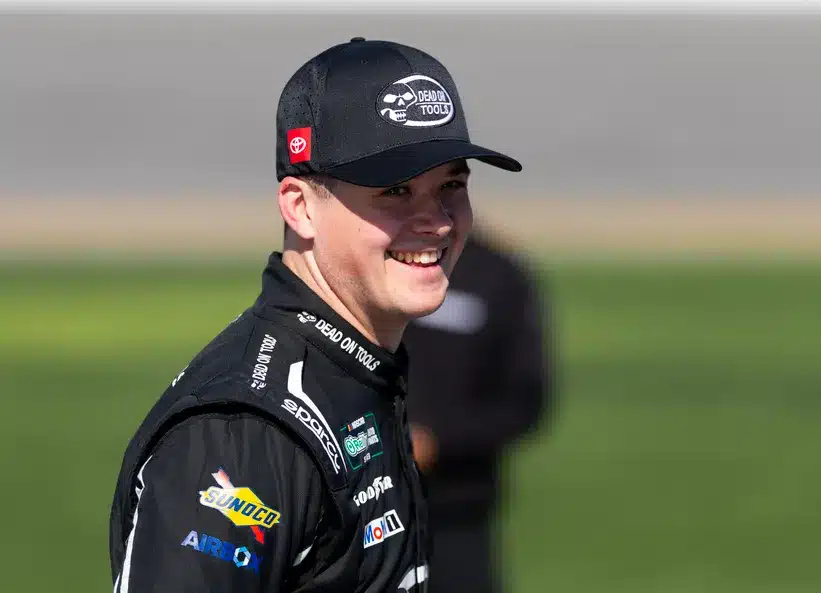
The gap between celebrating in victory lane and loading a damaged car back into the hauler is often measured in seconds. Across NASCAR’s national series, races are frequently decided by margins under one second, and over the course of a season, a handful of incidents can completely reshape a driver’s year.
Few drivers feel that reality more than Harrison Burton right now. As the 2026 NASCAR O’Reilly Auto Parts Series season gets underway, Burton finds himself in a difficult spot. The results haven’t been there, and the standings show it.
Still, seasons aren’t decided in the first couple of months. Burton’s move to Sam Hunt Racing is about getting things pointed in the right direction and building something that holds up over time. It’s a long season to figure things out.
A Rough Opening Stretch To The 2026 Season
Before taking the green flag at Martinsville Speedway, Harrison Burton was honest about where things stand. It’s been a tough start, and the numbers reflect it. Through the first two months, he’s got two DNFs, sits 22nd in points, and carries a 24.3 average finish.
His best run so far, a 13th at Rockingham Speedway, shows there’s some speed, just not enough consistency yet. In this series, falling behind early makes things harder than they need to be. Wins lock drivers into the playoffs, and without one, you’re chasing points every week.
For Burton, the focus right now is simply finishing races and starting to stack results, rather than dealing with setbacks. There’s also the mental side of it. Drivers spend hours going over data and trying to figure out where things went wrong.
When the finishes don’t come, that process can wear on you. Burton hasn’t let it spill over, though. He’s stayed focused on working with a new team that’s still figuring things out together. That takes time in this series. The cars don’t respond the same every week. Building that notebook matters over a long season.
Steady Support Inside Sam Hunt Racing
Inside Sam Hunt Racing, the approach hasn’t changed much despite the slow start. For a smaller team, progress isn’t always tied directly to finishing position. Clean races, communication, and steady improvement matter just as much.
Sam Hunt has paid attention to how Burton handles the tough weekends. Instead of pointing fingers, he’s stayed engaged with the group and taken responsibility where it’s needed. That carries weight in a shop where everyone is hands-on, and resources aren’t the same as those in larger organizations.
It also shows up in preparation. Teams like this rely on limited track time, simulation work, and shared manufacturer data to find speed. Having a driver who can clearly explain what the car is doing, especially over a long run, helps speed up that process.
Burton’s feedback has already helped clean up some of the issues they were dealing with early in the season. For a team trying to get more consistently into the mix, that kind of communication matters as much as anything else.
A Familiar Return To Toyota Roots
Burton’s history with Toyota goes back years. He came up through their development system, starting as a young prospect and working his way through the ranks. That included time with Kyle Busch Motorsports and Joe Gibbs Racing, where he picked up wins and gained national-level experience.
That background matters. Toyota’s system is built around sharing information and developing drivers with consistent support. Burton spent key years in that environment, which helped shape his approach to a race weekend.
After moving to the Cup level in 2022 with Wood Brothers Racing, he picked up a win at Daytona International Speedway in 2024, the team’s 100th. Coming back to Toyota now puts him in a more familiar setup again.
That familiarity shows up in small ways through communication, data sharing, and understanding how the system works. For a driver trying to get things back on track, that can make a difference over the course of a season.
What This Means
Burton joining Sam Hunt Racing represents more than just filling a seat. It changes how the team operates week to week. For Burton, it’s a chance to have more input and help shape the program’s direction.
With Burton in the No. 24 and Dean Thompson in the No. 26, the team is back to a two-car setup. That means more data, more feedback, and more ways to adjust during a race weekend. Instead of relying on a single source of information, they can compare notes and make quicker decisions.
That’s important at tracks where conditions change throughout a run. Having two drivers working through those changes gives the team a better shot at finding the right balance. Burton’s experience helps guide that, while Thompson continues to develop alongside him.
For a smaller team trying to close the gap, those small gains matter. A few tenths a lap, better pit stops, or improved long-run speed can make a noticeable difference by the end of a race. Over a full race distance, that can add up to several positions.
What’s Next
Harrison Burton’s goal hasn’t changed. In 2026, it’s about putting together results that get him back into the NASCAR Cup Series conversation full-time. That starts with cleaning things up, finishing races, improving that 24.3 average finish, and putting together complete weekends.
The start hasn’t gone his way, but there’s still time to fix it. With a long schedule ahead, a couple of strong runs can quickly change the outlook. If Burton and the No. 24 team can start putting races together, they can work their way back into the mix as the season moves forward.
