
Lewis Hamilton Delivers Fastest Run Of Any F1 Driver Recorded In Bahrain

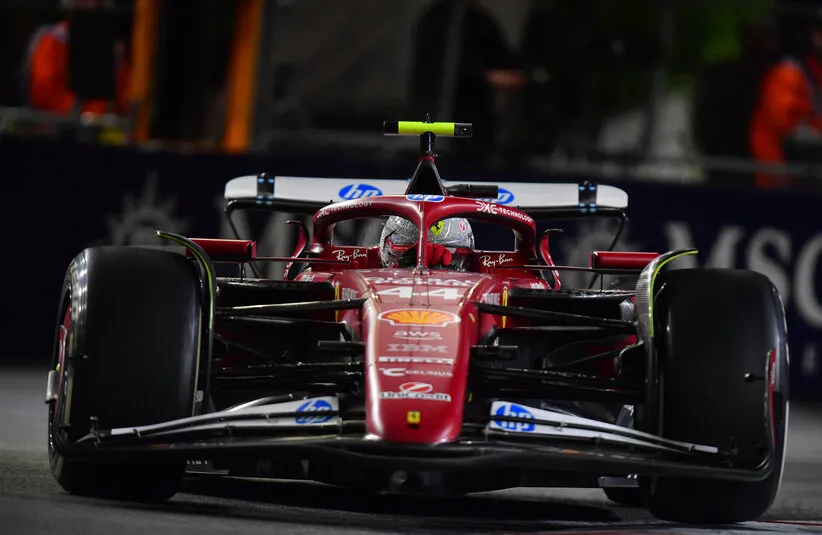
The engines have barely cooled in Bahrain, but the F1 paddock is already buzzing. The first extended look at the 2026 regulations has given us plenty to chew on, but one narrative is drowning out the rest: Lewis Hamilton and Ferrari look fast. Really fast.
Pre-season testing is often a game of smoke and mirrors. Fuel loads are hidden, engine modes are turned down, and sandbagging is practically an art form. However, race simulations don’t lie the same way single-lap glory runs do. And in that crucial metric, Hamilton didn’t just participate—he set the standard.
Here is a breakdown of what happened in Bahrain, why the SF-26 is turning heads, and whether the Tifosi should start dreaming of a championship title just yet.
The Headline: Hamilton’s Race Simulation
If you were just glancing at the timing screens for the fastest single lap, you might have missed the real story. The true value of testing lies in the long runs—the high-fuel, multi-lap stints that mimic a Sunday afternoon Grand Prix.
During the three-day test at the Bahrain International Circuit, Hamilton clocked roughly 190 laps. But it was his race simulation on the final day that sent engineers up and down the pit lane scrambling for their calculators. According to data analysis from Sky F1 and paddock insiders, Hamilton’s average pace over the stint was quicker than any comparable run from rival teams.
It wasn’t just about raw speed, either. It was about consistency. In a sport where tyre degradation can destroy a race strategy in a handful of laps, the Ferrari SF-26 looked remarkably kind to its rubber. Charles Leclerc backed this up with competitive long runs of his own, suggesting the car’s performance is fundamental, not just a fluke of Hamilton’s driving style.
The Secret Weapon: Ferrari’s Tyre Discovery
The 2026 regulations have thrown a curveball at every team, specifically regarding aerodynamics and how they interact with the tyres. Getting the rubber into the “working window” (the optimal temperature range for grip) without overheating them is the holy grail of F1 engineering.
Lewis Hamilton hinted that the Scuderia has found something special. Following the test, he mentioned that the team had made “good discoveries” regarding the car’s behavior and the new tires.
While the team is keeping the technical specifics under lock and key, the on-track evidence suggests Ferrari has unlocked a setup that manages thermal degradation better than the competition. In the desert heat of Bahrain, where track temperatures eat rear tyres for breakfast, this is a massive advantage. If the SF-26 can lean on its tyres harder and longer than the rest of the grid, it opens up strategic options that other teams simply won’t have.
Analyzing the Competition
Ferrari isn’t in a class of one, but they seem to be leading the pack. The test validated the upgrade package Ferrari brought to the desert, which included a revised front wing, floor, and diffuser. These aerodynamic tweaks clearly played nice with the mechanical grip, producing that impressive race pace.
However, Mercedes hasn’t been sitting idle. McLaren Team Principal Andrea Stella noted that both Ferrari and Mercedes looked particularly strong on race simulations. This suggests we could be heading into a season defined by tight margins, where development rates—how fast a team can bring new parts to the car—will decide the title.
The “early picture” is fluid. Red Bull and McLaren are undoubtedly hiding their true potential, but they now have a clear benchmark to chase. Hamilton’s simulation has effectively put a target on the back of the scarlet cars.
Why Race Simulations Matter More Than Qualifying
Casual fans love qualifying simulations—the low-fuel, soft-tyre blasts that look great on social media highlights. But for the teams, points are awarded on Sunday.
A car that is fast over one lap but eats its tyres after ten is a sitting duck in a race. This is why Hamilton’s performance is so significant. It indicates that the SF-26 has a wide operating window. It suggests the car is compliant and predictable, allowing the driver to extract lap time without fighting the steering wheel or sliding around corners (which spikes tyre temperatures).
If Ferrari has indeed solved the degradation puzzle early in the 2026 regulation cycle, they have a foundational advantage. While other teams spend the first few races trying to fix tyre wear issues, Ferrari can focus on adding pure performance and downforce.
What Comes Next?
The Bahrain test was just the opening act. The data gathered here will be analyzed to death back at the factories in Maranello, Brackley, and Milton Keynes.
Expect a rapid exchange of upgrades before the lights go out for the first race. Rival engineers are likely already studying photos of Ferrari’s floor and diffuser, trying to understand how they achieved such stability.
For Lewis Hamilton, the transition to Ferrari seems to be going better than even the optimists predicted. He looks comfortable, the car looks fast, and the team seems confident. But as any F1 veteran knows, testing is a controlled environment. The real test comes when the fuel loads are finalized, the traffic is real, and the pressure of a Grand Prix weekend arrives.
FAQ
Q: Does a fast race simulation guarantee Ferrari will win the first race?
A: No. Testing variables like fuel loads and engine modes can skew data. However, it does mean they are serious contenders and likely have a solid baseline setup.
Q: Why is tyre management such a big deal?
A: If a car manages tyres well, it can pit later or push harder than rivals. It gives the strategist more flexibility to react to safety cars or undercuts.
Q: How many laps did Hamilton drive?
A: Hamilton completed roughly 190 laps across the three days, giving the team a massive amount of data to work with.
Lewis Hamilton Sent A Speedy Message With This Simulation
The 2026 season promised a shake-up, and if Bahrain is any indication, we are getting exactly that. Lewis Hamilton and Ferrari have struck the first blow, not with a single glory run, but with the menacing consistency of a genuine race-winning car. The rest of the grid now knows the pace they need to find. The development race has officially begun.
