Bowman Gray Stadium : An All Inclusive Guide To The 2026 Cookout Clash

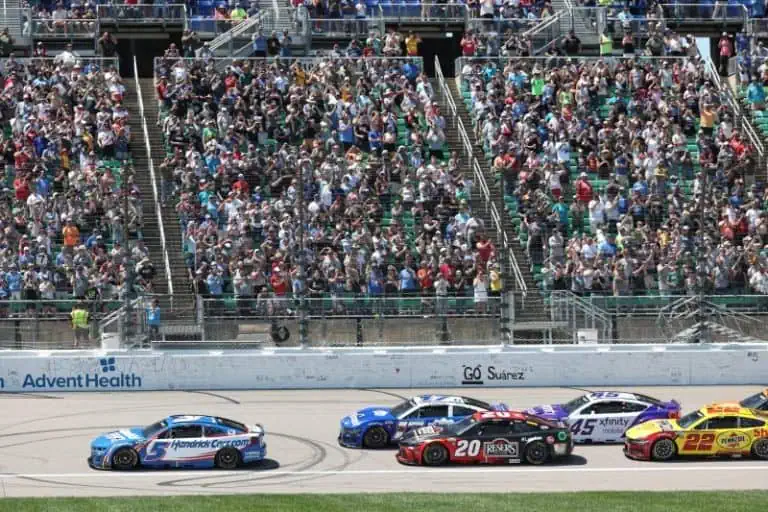
The offseason silence is finally about to get shattered, and not on a sleek superspeedway or a temporary stadium track, but by the most notorious quarter‑mile in American motorsports. The NASCAR Cup Series is opening its 2026 season with the Cook Out Clash at Bowman Gray Stadium, and this isn’t just another exhibition. This is a return to the roots. A return to the Madhouse.
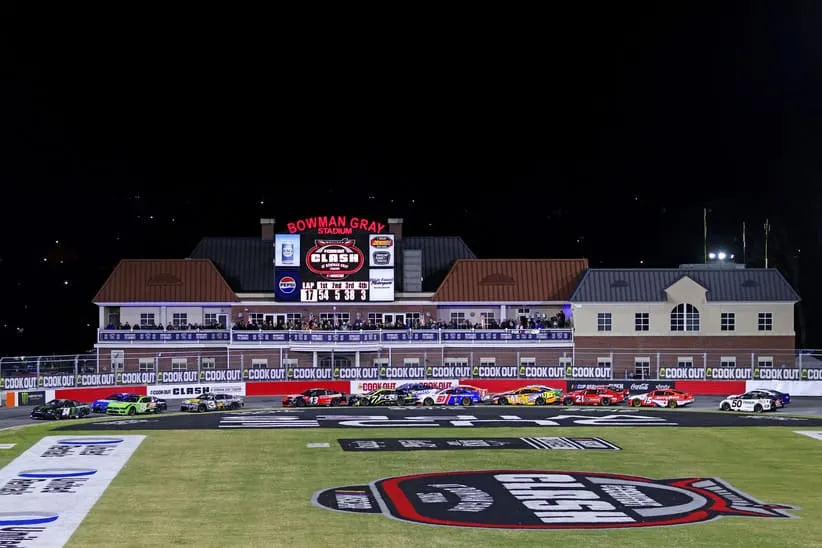
Bowman Gray has been part of stock‑car DNA since 1949, making it one of NASCAR’s oldest active racing venues. The stadium itself opened in 1937, and over the decades, it has become synonymous with short‑track chaos, rivalries, and the kind of racing that doesn’t rely on aerodynamics, just guts, bumpers, and brake pedals.
For the second straight year, the Clash returns to this historic bullring, marking the 48th running of the event that originally debuted at Daytona in 1979. Whether you’re a longtime fan who remembers the modified wars or a newer viewer tuning in because you’ve heard the legends, this guide breaks down everything you need to know heading into Monday night.
A Weather‑Driven Monday Night Show
Mother Nature has already played a major role this weekend. A winter storm across central North Carolina forced NASCAR to postpone the event and cancel the heat races scheduled to set the field. Instead of a multi‑stage qualifying format, the series is proceeding directly to the main event. The green flag for the Cook Out Clash will now drop Monday at 6 p.m. ET on FOX, with radio coverage on MRN and SiriusXM.
This marks the first time the Clash has ever run on a Monday night, and the atmosphere is expected to feel more like a grassroots short‑track feature, only with the best drivers in the world strapped into 700‑horsepower cars. Bowman Gray under the lights already feels electric; add the rarity of a Monday night show, and the energy becomes something entirely different.
How The Field Will Be Set
A total of 38 cars are entered for the 2026 Clash, but only 23 will make the feature. With the heat races canceled, NASCAR has moved to a streamlined format. The top 20 in combined practice/qualifying speeds advance directly. This puts enormous pressure on teams to unload fast.
There’s no safety net of heat races to claw your way in. If your car isn’t dialed in from the moment it hits the track, you’re already behind. At a place as tight as Bowman Gray, starting position is everything, and locking in through speed alone rewards teams that show up prepared.
What Happens To Drivers Outside The Top 20?
Drivers outside the top 20 head to a 75‑lap Last Chance Qualifier, where the top two transfer. The LCQ at Bowman Gray will be a demolition derby with consequences. Seventeen or more drivers fighting for just two spots on a quarter‑mile track guarantees contact, tempers, and desperation.
Expect bumpers to be used early and often, as no one wants to leave before the main event. The final spot goes to the highest‑ranking driver from the 2025 Cup standings who hasn’t already made the field. This rule ensures that a top‑tier driver doesn’t miss the show due to a mechanical issue or a freak incident in practice.
It’s essentially a “champion’s provisional,” and it guarantees that at least one major name won’t be left out of the Clash due to bad luck. Last year’s Bowman Gray Clash was dominated by Chase Elliott, who led 171 of 200 laps and won by more than a second. That kind of track‑position dominance is exactly why qualifying speed matters so much here.
The Strategy Game: Tires, Track Position, and Weather
Strategy at Bowman Gray isn’t just about pit calls. It’s about survival, timing, and understanding how quickly a race can flip on a quarter‑mile track. Unlike larger venues, where long‑run speed and aerodynamic balance dictate the flow.
Bowman Gray is notorious for making teams think in short bursts. Every restart is a landmine, every lapped car becomes a moving obstacle, and every decision carries immediate consequences.
Crew chiefs must balance aggression with restraint, knowing that one poorly timed pit stop or one unnecessary bump can leave their driver deep in the field with no clear way out. Add in the unpredictable winter weather and the limited tire allotment, and this race becomes a mental battle as much as a physical one.
Tire Allocation
Teams receive five sets of slick tires for the entire event: one for practice, one for qualifying, and three for the race. That’s a tight limit for a track where restarts are constant, and tire wear can sneak up on drivers who push too early.
With only three fresh sets available once the green flag drops, crew chiefs must decide whether to pit early for grip or save their best rubber for a late‑race sprint. At a place where passing is nearly impossible, the timing of those stops could determine the winner.
Wet‑Weather Tires
Each team also gets four sets of wet‑weather tires, and NASCAR has shown a willingness to run short tracks in damp conditions. With snow and moisture still lingering, the track may not be fully dry by race time.
A damp surface could completely flip the strategy. Drivers who grew up racing on slick, low‑grip short tracks may thrive, while others struggle to adapt. The ability to find grip in unconventional lines, even half a lane higher, could be the difference between contending and getting lapped.
Why Bowman Gray Demands Respect
Bowman Gray Stadium is a 0.25‑mile flat oval, the shortest track the Cup Series will race on in 2026. It’s tight, it’s unforgiving, and it’s famous for one simple reason: there is no room to hide. The track has hosted racing for 77 years, making it one of the sport’s longest‑running venues.
Generations of drivers have cut their teeth here, from modified legends to future Cup champions. The stadium’s longevity has created a culture in which fans expectand demand aggressive racing. Drivers who don’t deliver quickly become the villains of the grandstands.
Bowman Gray is home to the longest‑running weekly racing series in NASCAR history. The local divisions race here every summer, and the rivalries are as fierce as anything you’ll see on Sundays. Cup drivers entering this environment are stepping into a place where the fans know every inch of the track and every trick in the book.
Why The Event Is Unpredictable
The Clash has produced eight different winners in the last eight years, underscoring how unpredictable this event can be. Even at larger tracks, the Clash is known for chaos. At Bowman Gray, that unpredictability is amplified. One mistimed bump, one stack‑up on a restart, or one lapped car in the wrong place can completely change the outcome.
Joe Gibbs Racing and Team Penske have combined to win 12 of the last 15 Clashes, showing which teams typically unload strong. These organizations excel in exhibition formats where preparation and raw speed matter more than long‑run setups.
Engineering Depth
Their engineering depth often gives them an early‑season edge, and Bowman Gray’s tight layout rewards teams that can maximize mechanical grip.Cup drivers are used to aero games and drafting lanes. None of that applies here. At Bowman Gray, success comes down to brake bias, throttle discipline, patience, and knowing exactly when to use the bumper.
The Advantage For Short Track Veterans
Short‑track veterans, the ones who grew up racing at Hickory, South Boston, Caraway, or the Carolina dirt tracks, will have a real advantage. They understand the rhythm of a quarter‑mile and the unwritten rules of contact. They know when to give a bump and when to expect the receipt.
What This Race Signals for the 2026 Season
Opening the year at Bowman Gray is more than a novelty. It’s a philosophical statement from NASCAR. The sport is embracing new technology, new markets, and new broadcast partnerships, but starting the season at the Madhouse shows that NASCAR is keeping one foot firmly planted in its heritage.
This race doesn’t award points, but it awards something just as important: momentum, respect, and a reputation for toughness. A strong run here sets the tone for the early season. Even though the Clash doesn’t count toward the standings, teams that perform well often carry that confidence into the West Coast swing.
Surviving Bowman Gray earns credibility in the garage. Drivers who can handle the chaos here prove they’re ready for the elbows‑out racing that defines the early part of the schedule. And in a season where NASCAR is returning to a version of The Chase format for the playoffs, early momentum matters more than ever.
What’s Next
When the lights come on Monday night, forget the wind tunnels and the simulation data. This race will be decided by instinct, aggression, and survival. The Cook Out Clash at Bowman Gray is the perfect way to welcome 2026.
This race is set to be loud, gritty, unpredictable, and unapologetically old‑school, all of the things NASCAR fans pine for. As the garage opens and cars hit the track, check back here for updates on practice speeds, starting lineups, LCQ results, and full race results. The Madhouse is open. Buckle up.