
Goodyear Brings Aggressive New Rubber To The Madhouse For The 2026 Clash

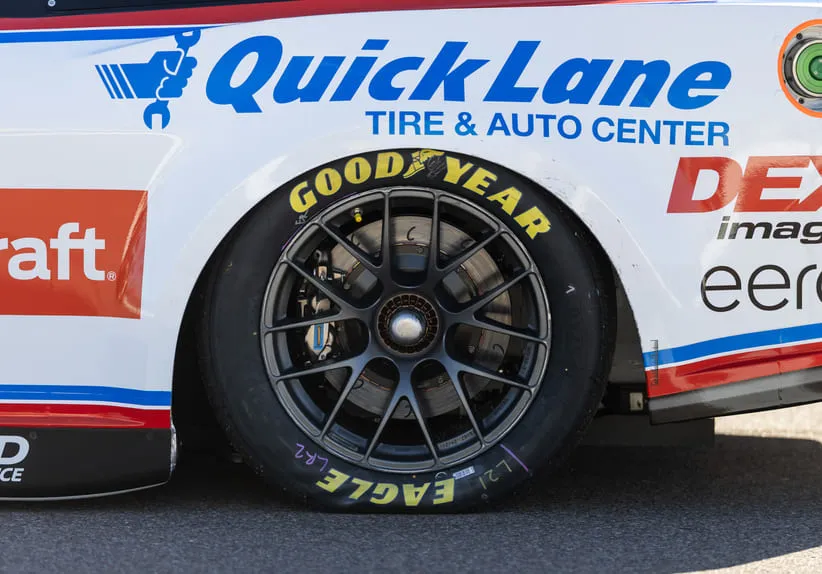
Bowman Gray Stadium has its own rhythm, its own attitude, and its own way of reminding drivers that nothing comes easy on a quarter‑mile this tight. As the NASCAR Cup Series gets ready to open the 2026 season on Sunday, the attention isn’t just on the drivers or the contact that always comes with racing here.
This time, the focus is on the tires. Goodyear is rolling out a redesigned left‑side compound that could change how the entire event unfolds. For years, fans and drivers have asked for one thing on short tracks: real tire fall‑off. They want to see cars sliding around, lap times dropping, and drivers who manage their equipment rising through the field. Goodyear has taken that feedback seriously.
A New Compound for a New Season
When teams unload for the Cook Out Clash, they’ll find a tire setup that looks different from what they’ve used at flat tracks in the past. Goodyear has introduced a brand‑new left‑side tire code, and this is not a small adjustment, but a purposeful move to increase wear. The new left‑side tire is noticeably softer than previous versions. It’s paired with the same right‑side tire used during last year’s Bowman Gray debut and several other events.
The idea is straightforward: soften the left side enough to create meaningful fall‑off over a run. As that tire loses grip, the car becomes more demanding. Drivers will have to adjust their corner entry, work the wheel harder, and think ahead instead of simply muscling their way around.
Justin Fantozzi, Goodyear’s Director of Racing for the Americas, said the change fits the company’s ongoing push to deliver tires that start with a strong grip but naturally slow down as the laps build. Even though the Clash is an exhibition, Goodyear views this weekend as an important test for the short‑track package that will be used throughout the season.
The Strategic Element of Tire Management
This new tire changes how teams approach Sunday night. At a place known for elbows‑out racing, drivers will now have to balance aggression with patience. With only five sets of tires for the entire weekend, including one for practice, one for qualifying, and three for the race, crew chiefs won’t be able to rely on constant fresh rubber.
Drivers will face a choice: Push early for track position and risk fading late, or save their tires and hope they’re not stuck in the middle of the chaos.This naturally creates movement in the field. Some cars will be strong early, others late. That’s when passing happens without gimmicks or manufactured restarts. It brings a layer of strategy to a race that usually rewards brute force.
What This Means for the 2026 Season
The impact of this tire goes beyond Bowman Gray. If the softer left‑side compound produces the fall‑off NASCAR has been looking for without durability issues, it could become the model for other short tracks.Places like Martinsville and Richmond have struggled with the current car because the tires simply don’t wear enough.
If Goodyear has found the right balance here, short‑track racing could take a meaningful step forward this season.It also shifts more responsibility back to the drivers. When tires don’t wear, the fastest car wins. When they do, the smartest driver wins. That’s the kind of racing fans have been asking for.
What’s Next
When the green flag drops at 8 p.m. ET on Sunday, the lap times will tell the story. Watch for the cars that start sliding off the corner after 20 laps that’s the sign the tire is doing what it’s supposed to do.Bowman Gray always brings intensity, but adding a tire that actually wears introduces a new variable.
Whoever wins won’t just survive the tight quarters and the contact. They’ll have managed their equipment better than everyone else. That’s stock car racing at its core, and it’s a fitting way to start the 2026 season.
