
Turkey Is Back: F1 Signs Istanbul Park To 2031 In Major Calendar Move

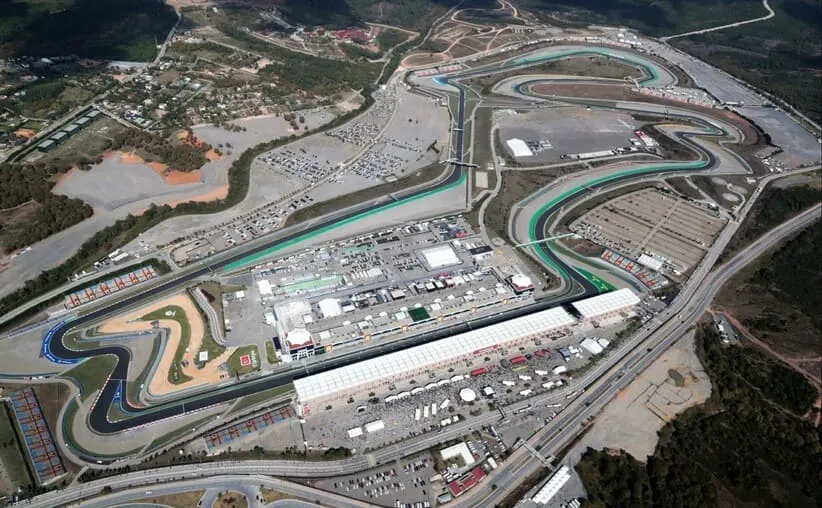
When a circuit earns respect from the drivers who make a living taming 1,000‑horsepower machinery, it usually means the place has teeth. Istanbul Park in Turkey is one of those tracks. It joined the Formula 1 calendar in 2005 and immediately earned a reputation as a venue that punished hesitation and rewarded commitment.
For years, fans pushed for its return, and now it’s official: beginning in 2027, the Turkish Grand Prix is back under a new five‑year agreement through 2031 that restores one of the sport’s most demanding layouts to the global rotation.
The announcement marks a significant shift in how Formula 1 is shaping its future schedule. The series has spent years stacking the calendar with street circuits and downtown showcases. However, Istanbul Park is a different philosophy entirely.
It’s a purpose‑built, high‑speed road course with real elevation, real braking zones, and real tire punishment. Its return signals that Formula 1 is finally willing to reinvest in tracks that produce genuine racing instead of relying on spectacle alone.
Turn 8 and the Physical Toll That Defines Istanbul Park
The track’s defining feature remains Turn 8, a four‑apex left‑hander that subjects drivers to sustained lateral loads for nearly eight seconds. During its original run, telemetry regularly showed forces exceeding 5G through the corner, making it one of the most physically demanding sections of any circuit on the calendar.
Cars that were too stiff, too pitch‑sensitive, or too aggressive on front‑end setup paid the price over a race stint. Teams had to build, and if a team missed the balance by even a fraction, Turn 8 exposed it instantly. Their weekend was spent surviving that corner without destroying the right‑side tires.
That challenge returns in 2027, and with the current generation of ground‑effect cars producing even more downforce, the physical load will only increase. Istanbul Park ran from 2005 to 2011 before attendance and financial issues led to its removal from the schedule. Its return now comes with even higher stakes for the entire field.
It returned in 2020 and 2021 during the pandemic shuffle, delivering two wild, weather‑hit races that showed how tough the place still is. Hamilton clinched his seventh title there in 2020, and the shifting grip in 2021 turned the race into a constant reset. Those two weekends reignited the push to bring it back for good.
A Return That Forces a Global Calendar Shake‑Up
The new deal reshapes the global calendar. With the schedule capped at 24 races, adding Turkey forces other venues to make room for it. Zandvoort becomes the first casualty, falling off the calendar after 2026. The Dutch Grand Prix delivered a strong atmosphere. However, the narrow, high‑banked layout offered limited passing opportunities, and the series prioritized competitive racing over pageantry.
Spa‑Francorchamps and Barcelona will rotate beginning in 2027, with Belgium hosting in odd years and Spain in even years. Madrid’s new long‑term contract pushed Barcelona into a shared slot, and the return of Istanbul Park finalized the reshuffle.
The broader landscape remains tight. Formula 1 has explored potential additions in Thailand, Korea, and Africa, but none are expected before 2029 unless an existing promoter withdraws. Turkey’s return reinforces that the championship is willing to protect circuits that deliver strong racing metrics.
During its original run, Istanbul Park produced an average of 52 on‑track overtakes per race, well above the era’s global average. The layout’s combination of long straights, heavy braking zones, and multiple racing lines made it a consistent venue for overtaking without relying on DRS.
Engineering Demands And Driver Challenges Return In 2027
For teams, the return introduces a unique engineering challenge. Turn 8 forces compromises in suspension stiffness, aerodynamic balance, and tire allocation. The corner’s sustained load increases carcass temperatures and accelerates degradation, especially on the front‑right.
Teams will need to manage stint lengths carefully, and the race could become a two‑stop event depending on tire compounds. The elevation changes are nearly 46 meters from the lowest to the highest point, which also affects fuel consumption and energy recovery, adding another layer of complexity. For drivers, Istanbul Park rewards precision.
The downhill braking zone into Turn 1 invites late‑braking moves. Turn 3 requires throttle discipline to avoid sliding the rear tires. The back‑straight kink into Turn 12 creates one of the best overtaking spots on the circuit.
The track’s width allows drivers to choose different lines, creating side‑by‑side battles that modern street circuits rarely produce. It’s a layout that exposes weaknesses and amplifies strengths, the kind of circuit that defines championship runs.
A Strategic Market And A Return To Real Racing
The return also carries commercial weight. Turkey sits at a crossroads between Europe and Asia, giving Formula 1 a strategic foothold in a region with a growing motorsport audience. The 2020 and 2021 races drew strong global viewership numbers despite being late additions to the schedule.
With a full promotional cycle and a long‑term contract, the event is positioned to become a consistent mid‑season anchor. The revival of the Turkish Grand Prix is more than a nostalgic callback. It’s a statement about what kind of racing the series wants to prioritize.
Street circuits will remain part of the calendar, but the return of Istanbul Park shows that the championship recognizes the value of circuits that challenge drivers and produce authentic competition. The move also strengthens Formula 1’s long‑term footprint in a region that has shown it will support major events when given a stable calendar slot.
With modern promotion, stronger regional partners, and a track that consistently delivers real racing, Turkey has the chance to become more than a novelty stop. It can grow into a fixture that anchors the middle stretch of the season.
What’s Next
When the field rolls out for practice in 2027, the track will immediately test who has the nerve to attack Turn 8 flat and who doesn’t. The fans will feel the difference. The drivers will feel it in their necks. And the sport will be better for it. The moment the cars hit full speed, everyone will remember why this place was never supposed to disappear.
The moment the lights go out that weekend, the sport will feel the shift. Istanbul Park doesn’t hand out comfort laps or easy confidence, and the drivers know it. A track like this forces every team, engineer, and the grid itself to raise their level or get exposed. Those who adapt the quickest will set the tone for the entire weekend.
For More Great Content
Stay plugged in with more race analyses, features, and behind‑the‑garage storytelling. Follow Sarah on Facebook, LinkedIn, and X at Sarah Talker, where the conversation keeps rolling long after the checkered flag drops.
