
F1 2026 Testing Analysis: The Surprise Winners And Early Loser in Bahrain

The engines have cooled, the garage doors are down, and the first chapter of the 2026 Formula 1 season is officially in the books. Pre-season testing in Bahrain is rarely about finding the absolute limit of performance, but it always reveals who did their homework over the winter break.
With the sport entering a new era of regulations, this year’s session felt heavier than usual. The paddock was buzzing not just with the sound of the new power units, but with the tension of teams trying to understand entirely new aerodynamic philosophies and tyre constructions. After three days of intense running, the camouflage is starting to slip. We have our first clear look at the pecking order, and the results have defied quite a few expectations.
From a shock resurgence by a historic British team to a worrying stumble for a recent frontrunner, here is a breakdown of the winners and losers from the opening 2026 test.
The Winners: Mileage Kings and Power Plays
Williams turns heads
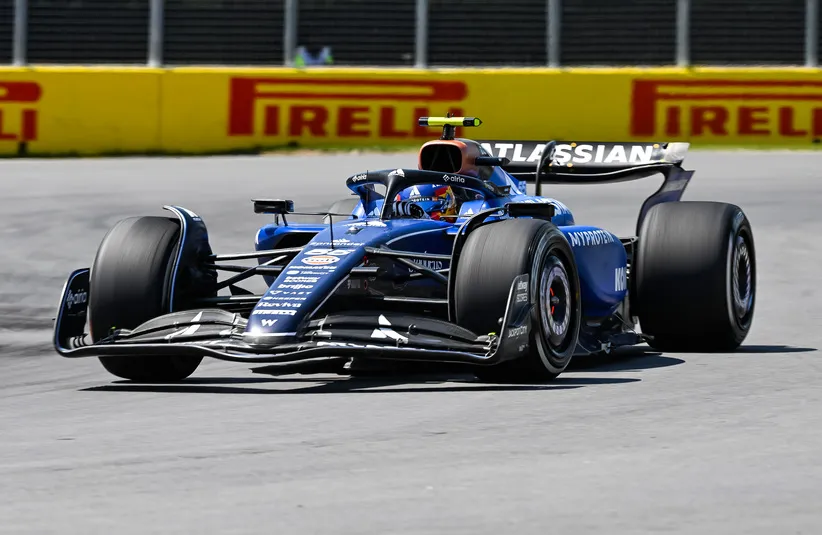
If you had “Williams tops the mileage charts” on your 2026 bingo card, go collect your winnings. The Grove-based squad was the undeniable surprise package of the Bahrain test. After a shaky shakedown in Barcelona that had fans worried, Williams arrived in the desert and proceeded to run like clockwork.
Completing more than 400 laps across the three days is a massive statement of intent. In an era where track time is strictly limited, that data is gold dust. The car looked compliant, consistent, and reliable over long race simulations. For a team that has spent years fighting to climb back up the midfield, this “winner” tag offers a genuine morale boost heading into the opening Grand Prix.
Red Bull Ford flexes its muscles
The partnership between Red Bull and Ford has been the talk of the town, and their debut on track did not disappoint. Questions about the new power unit were answered emphatically: it works, and it runs long.
The team focused heavily on reliability and race-pace programs rather than glory runs on soft tyres. Paddock engineers were quick to point out that while they didn’t sweep every headline lap time, their consistency suggests a package that is frighteningly competitive. The car looked planted through Bahrain’s technical middle sector, suggesting the aerodynamic balance is exactly where Adrian Newey’s successors want it to be.
The Steady Hands: Ferrari and Mercedes
While they didn’t generate the shockwaves that Williams did, the giants of Ferrari and Mercedes quietly went about their business. Both teams posted encouraging long runs and racked up high mileage, reinforcing the feeling that the battle at the sharp end of the grid could be incredibly tight.
Observers trackside noted that both the Scuderia and the Silver Arrows were balancing reliability checks with meaningful race simulations. There was no panic in either garage. Instead, there was a sense of controlled execution. They seem to have adapted well to the new regulations, positioning themselves to capitalize if Red Bull slips up.
The Loser: Aston Martin’s Stumble At These Tests
It brings no joy to report, but Aston Martin left the paddock with more questions than answers. The anticipation surrounding the AMR26 was palpable, yet the car looked like a handful on track.
Drivers struggled with drivability, and the team appeared off the early pace compared to their direct rivals. While testing timesheets can be deceiving, body language rarely is. The mood suggests the team has missed the initial setup window. It’s clear that Aston Martin was very disappointed with how this test has gone and it’s gonna be a steep uphill battle to refine their ambitious design direction before the lights go out.
Why Race Pace is the Real Story
It is easy to get seduced by the purple sectors on the timing screens, but in 2026, the real story is in the long runs. The new regulations have reshaped how aerodynamics interact with tyres, creating a new set of performance windows that engineers are desperate to unlock.
The teams that focused on tyre degradation and cooling—like Red Bull and Williams—are the ones leaving Bahrain with a smile. Understanding how the car behaves on lap 20 of a stint is infinitely more valuable right now than how fast it can go on lap 1. Small gains in mechanical grip and aero efficiency compound over a race distance. The teams that understand this “tyre window” will be the ones spraying champagne, regardless of where they qualify.
What Comes Next After The Bahrain Test?
The circus isn’t leaving town just yet. Teams will digest terabytes of data before returning for the second Bahrain test. Expect to see rapid-fire upgrades as factories work overtime to address the weaknesses exposed over these three days.
For Aston Martin, the next week is critical. For Williams, it’s about proving this wasn’t a fluke. And for Red Bull, it’s about keeping the hammer down. The development war has begun, and the first shot has been fired at the Bahrain tests.
