
Live Fast Motorsports Hands Dye A Four‑Race Cup Run On NASCAR’s Biggest Stage

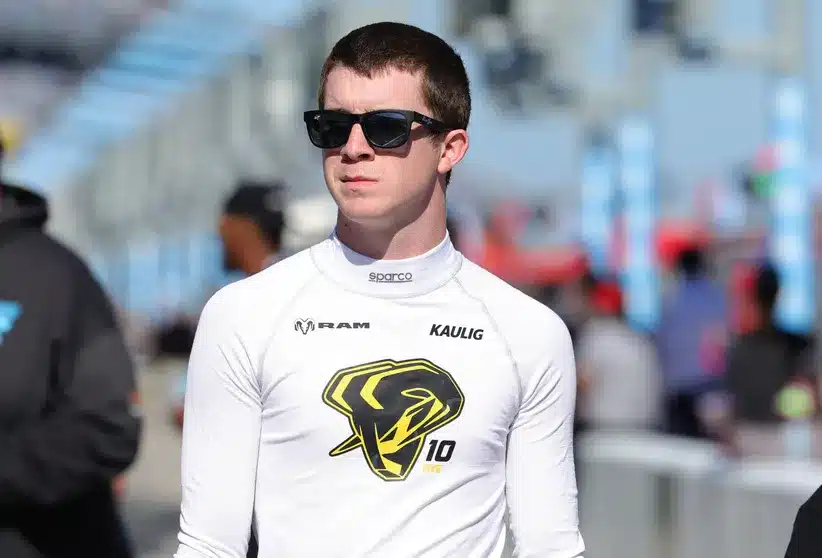
Live Fast Motorsports has finalized one of the most unexpected driver assignments of the 2026 season: Daniel Dye will compete in four NASCAR Cup Series races for the organization, driving the No. 78 Chevrolet with backing from Champion Container Corporation.
For a 20‑year‑old who has made fewer than 40 combined starts across NASCAR’s national divisions, the move represents a dramatic escalation in responsibility. It also arrives at a moment when Dye is attempting to stabilize his career following a suspension that ended his Truck Series opportunity after only three races earlier this year.
Dye Steps Into The Cup Series
Dye’s first Cup start will come at Talladega Superspeedway, one of the most unpredictable tracks on the schedule. Live Fast Motorsports, a team operating with a fraction of the resources available to the sport’s top organizations, gains both sponsorship support and a young driver eager to prove he belongs. Dye brings funding, but he also brings scrutiny.
His Cup debut comes less than two months after NASCAR suspended him for violating the sport’s behavioral policy, a penalty that abruptly ended his short stint with Kaulig Racing’s Truck Series program. The transition from Trucks and ARCA to the Next Gen Cup car is steep.
The Cup car features an independent rear suspension, a sequential shifter, and an aerodynamic platform that punishes even minor errors. The braking zones are shorter, the tire falloff is sharper, and the car reacts differently in traffic than anything Dye has driven.
Rookies no longer receive extensive testing opportunities. They rely on simulator time and limited practice. Dye will be learning at full speed, surrounded by drivers with 300 to 600 career Cup starts. He won’t get a grace period, and every mistake will be magnified against that level of experience.
A Four‑Race Gauntlet

Live Fast Motorsports has mapped out a demanding four‑race slate for Dye. It throws him straight into three drafting races and one of the most technical tracks on the schedule. There’s no easing into the Cup Series with a lineup like that. Every race on this list will expose a different part of his learning curve.
- Jack Link’s 500 at Talladega Superspeedway – April 26
- Pocono Raceway Cup Series Race – June 14
- Coke Zero Sugar 400 at Daytona Motor Speedway – August 29
- Yellawood 500 at Talladega Superspeedway – October 25
A Trial By Fire At Talladega
Beginning a Cup career at Talladega is a direct plunge into the most volatile environment in the sport. The field runs three‑wide at more than 190 mph, and the draft packs leave no margin for hesitation. A single misjudged block or late move can trigger a multi‑car crash that collects a dozen cars in seconds.
Dye will rely heavily on his spotter as he learns how the Next Gen car behaves in the wake, a skill that takes veterans years to master. Superspeedway racing demands instant decision‑making, situational awareness, and trust in the drivers around you. Pocono is a different kind of test.
The “Tricky Triangle” has three unique corners, requires shifting, and punishes small mistakes. Even champions miss the balance there. Smaller teams rarely hit a setup that works in all three turns, and Dye will need stability without stretching the team’s limited resources. Its long straights expose aero flaws, and the flat corners punish any missed mark.
Returning to Daytona and Talladega later in the year will show whether Dye is absorbing the lessons. Daytona’s narrower racing groove and greater handling sensitivity make it a different animal from Talladega. For Live Fast Motorsports, superspeedways statistically offer their best chance at a strong finish, provided Dye can avoid the chaos and position himself late.
Addressing The Suspension
Dye’s promotion cannot be separated from the adversity he faced earlier this season. His Truck Series opportunity with Kaulig Racing ended abruptly after NASCAR suspended him for a social‑media post that violated the sport’s behavioral policy. It forced him to confront the trajectory of his season far earlier than expected.
Losing a national‑series ride is a major setback for any young driver, especially one still building a résumé. To his credit, Dye returned to the ARCA Menards Series at Kansas Speedway and delivered a second‑place finish, showing he could reset mentally and perform. It was the first sign he could steady himself after a turbulent stretch in his season.
But the gap between ARCA and Cup is enormous. Cup fields are stacked with champions, Daytona 500 winners, and veterans with years of experience. They don’t cut rookies slack, and they don’t tolerate avoidable mistakes. It leaves no room for hesitation, and every lap becomes a test of whether he can keep up.
The speed gap is just as punishing. Cup cars react faster, the traffic is denser, and the margin for error shrinks to tenths of a second. Dye will be stepping into a field where every driver expects precision from the first lap.
What This Move Means for Live Fast Motorsports
For Live Fast Motorsports, this is a strategic business and racing decision. Champion Container’s backing helps fund the program, and Dye gets a rare chance to log Cup laps. The team’s primary goal will be simple: finish races, gather data, and keep the car clean. It’s a straightforward approach for a team that measures progress by completed laps, not headlines.
Smaller teams rely on track time to refine their setups and build a notebook for future seasons. A wrecked car is a financial setback; a clean race is a win. The No. 78 team has historically struggled to crack the top 25 on speed alone. It makes every mistake costly and every uneventful finish a small step forward.
Superspeedways offer their best statistical chance at a strong finish, and Dye’s four‑race slate includes three drafting tracks. If he can survive the chaos, Live Fast could walk away with a result that outperforms their typical baseline. One timely break in the draft could turn an ordinary day into one of their best results of the year.
What This Means For Dye
For Dye, this four‑race stint is an audition with real stakes. He doesn’t need top‑10s — he needs clean races, smart decisions, and respect from the garage. Running around drivers like Kyle Larson, Denny Hamlin, Joey Logano, and Chase Elliott requires discipline. One careless move at a superspeedway can sour a reputation instantly.
Dye must prove he belongs at this level. That means avoiding rookie mistakes, respecting his equipment, and showing he can adapt to the Next Gen car’s demands. The Cup Series is unforgiving, and the veterans will not hesitate to move a rookie out of the way if he disrupts the flow of the race.
He’s also stepping into a spotlight that won’t dim just because he’s young. Every decision he makes in traffic will be judged by drivers who’ve spent years earning their place, and they expect newcomers to respect the pace and rhythm of the field. Dye has to show he can read runs, anticipate moves, and stay composed when the pack tightens around him.
The pressure only grows with each race. Four starts aren’t many, but they’re enough for teams and veterans to form an opinion about how he races. If he keeps his nose clean and shows he can learn quickly, he’ll leave this stretch with more allies than critics and that matters as much as any finish.
What’s Next
When the No. 78 rolls off pit road at Talladega, the spotlight will be intense. Dye has been handed an opportunity thousands of short‑track racers never get. The question now is whether he can manage the pressure, adapt to the horsepower and complexity of the Next Gen car, and deliver the kind of clean, steady results that keep doors open.
If he does, he can begin rewriting the narrative of his 2026 season. If he doesn’t, the scrutiny will only grow louder. The green flag at Talladega will provide the first real answers. If he stumbles early, the margin to recover is almost nonexistent. If he rises to the moment, the entire trajectory of his year shifts with it.
For More Great Content
Stay plugged in with more race analyses, features, and behind‑the‑garage storytelling. Follow Sarah on Facebook, LinkedIn, and X at Sarah Talker, where the conversation keeps rolling long after the checkered flag drops.
