
500 Laps To Redemption: The Cup Series Drivers Who Can’t Afford To Fail At Bristol

The NASCAR Cup Series doesn’t offer much time to reset, but the short Easter break came at the right moment for several teams. Seven races into the 2026 season, the numbers are no longer early guesses. They are trends that can define the year. Some drivers have already built momentum. Others are running out of time to find it.
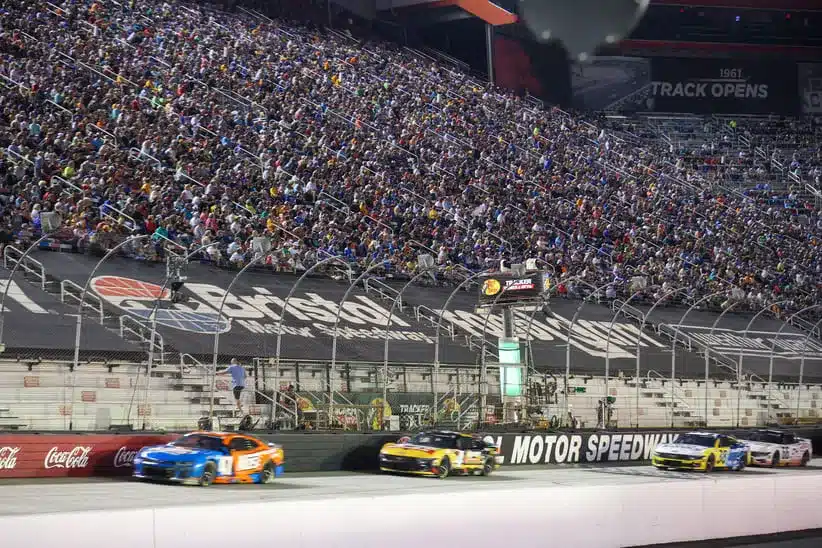
Bristol Motor Speedway is next, and it rarely delivers a quiet race. The half-mile concrete track measures 0.533 miles with banking that reaches 30 degrees, creating lap times in the 15-second range and constant traffic from start to finish.
Over 500 laps, drivers cover 250 miles in conditions that demand precision, patience, and durability.Mistakes at Bristol are expensive. A single slip can cost 8 to 12 positions in a matter of seconds. Track position can be lost just as quickly as it is gained.
Pit road errors, which often last just two or three seconds longer than expected, can drop a driver from the top five to outside the top 15. That combination of pressure and opportunity makes this race a turning point every year. In 2026, five drivers arrive in Tennessee needing more than just a decent finish.
Kyle Larson Needs To Raise His Numbers
A Slow Start By His Standards
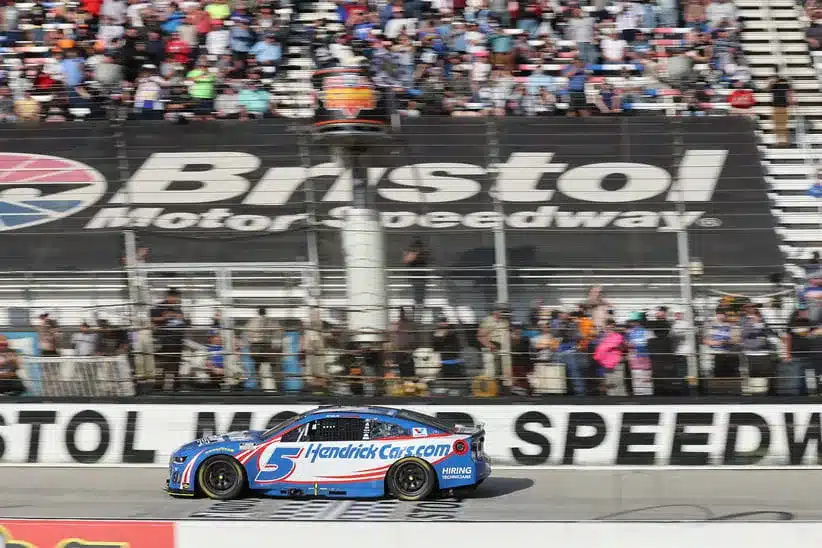
Kyle Larson sits ninth in the standings, but that ranking hides a noticeable drop in production. Through seven races, he has just one top-five finish. In recent seasons, Larson has regularly reached double-digit top-fives and often had multiple wins before this point in the year.
His average finish is hovering around the low teens, compared to the single-digit averages that defined his best seasons. Stage points have also been inconsistent. With up to 20 available per race, missing those points has created a gap between Larson and the drivers at the top of the standings.
Bristol Has Been Reliable
Bristol has consistently delivered results for Larson. In his last 11 starts at the track, he has finished sixth or better nine times. That 9-for-11 rate translates to just over 80 percent, one of the strongest records in the field at this venue.
He also won this race last year, controlling long stretches by running the high line and maintaining speed as tires wore down. If Larson repeats that kind of performance, collecting stage points and leading laps, he could move up several spots in the standings in a single weekend.
Chase Briscoe Is Trying To Stabilize
Results All Over The Board
Chase Briscoe’s season has lacked consistency. In seven races, he has one second-place finish, but he has also finished 36th or worse three times. That means nearly half of his races, about 43 percent, have ended near the back of the field.
Those results have pushed him outside the playoff picture for now. In most seasons, the difference between 16th and 20th in points is less than 50 points, so repeated poor finishes make it difficult to recover.
A Track That Fits His Style
Despite the uneven start, Bristol has been a strong track for Briscoe. His career average finish there is 12.6, making it his best track statistically on the current schedule. He has shown the ability to navigate traffic and maintain speed over long runs. Clean laps could turn his strong pace into a top-10 finish.
He has shown the ability to stay competitive over long runs, which matters at Bristol, where tire wear and traffic can quickly shuffle the field. A top-10 finish, combined with even a small number of stage points, could significantly improve his position in the standings and bring some stability to his season.
Christopher Bell Needs To Take the Next Step
Consistent, But Not Controlling Races
Christopher Bell has put together solid finishes recently, with three top-fives in the last five races. That consistency has kept him in a good position in the standings, but it hasn’t translated into race control.
In several events, Bell has finished well without leading many laps. That limits his ability to collect bonus points, which come from leading laps and winning stages. Without those, it becomes harder to separate from the rest of the field over time.
Strong Track History
Bristol has been one of Bell’s best tracks in the Gen 7 era. He has finished inside the top 10 in every start with this car, giving him a perfect top-10 record at the track under the current rules package.
He is also the most recent Bristol winner, showing he can manage tire wear and navigate traffic effectively over long runs. If Bell can add laps led and stage wins to his usual consistency, he could leave Bristol as one of the drivers to beat going forward.
Joey Logano Is Balancing Momentum And Struggles
Recent Results Are Strong
Joey Logano enters Bristol with solid momentum. He has five straight top-10 finishes on short tracks, including a third-place run at Martinsville. That kind of consistency suggests his team has improved its setups and found speed in recent weeks.
Momentum matters in NASCAR. Teams that string together strong runs often carry confidence into the next race, especially at demanding tracks. Confidence can influence decision-making during tight battles. Consistent performance builds trust between driver and crew.
Bristol Has Been A Problem In The Past
Logano’s recent history at Bristol is not encouraging. In his last six starts there, he has only one top-five finish and has finished outside the top 20 five times. That puts his success rate inside the top 20 at just 1 out of 6, or roughly 17 percent.
Those results bring down his average finish at the track and highlight the difficulty he has had adapting to Bristol with the current car. His team will need to make precise adjustments to improve speed. Every lap will demand focus to avoid losing positions in traffic.
Experience Still Counts
Logano’s strength has always been his racecraft. He gains positions on restarts and is willing to be aggressive when needed. Bristol, with its frequent cautions and tight racing, often rewards that style. He knows how to stay patient in traffic while picking his spots to move forward.
If he can combine his recent form with smarter execution at this track, a top-10 finish is realistic. Another result outside the top 20, however, would erase much of the progress he has made in recent weeks.
Carson Hocevar Needs A Clean Race
Speed Has Been There
Carson Hocevar has shown he can run near the front. He has already recorded multiple top-five finishes, including fourth-place runs at two different tracks. He currently sits inside the top 16 in points, which would put him in the playoffs if the season ended today.
His time spent running in the top 10 in races shows that his pace is competitive with that of more established drivers. Maintaining that speed over long runs will be crucial. Avoiding mistakes can turn strong laps into a solid finish.
Execution Has Held Him Back
The issue has been finishing races cleanly. Pit road mistakes have been costly. At Bristol last year, Hocevar was in position to compete for the win before a slow pit stop dropped him back to 11th. Small errors like that can erase an entire race’s effort.
With pit stops averaging between 12 and 14 seconds, even a delay of two seconds can result in losing several positions. Over 500 laps, teams typically make up to a dozen pit stops, increasing the chance for errors.
Opportunity For Redemption
If Hocevar avoids mistakes on pit road and stays out of trouble on track, he has the speed to contend. Bristol’s high attrition rate means simply finishing cleanly can be enough to secure a strong result.
Track position will be key, especially late in the race. Staying near the front allows for control of restarts and minimizes the risk of being caught in multi-car incidents. Maintaining focus through all 500 laps will be essential to turn speed into a top finish.
What This Race Means For The Season
Points Add Up Quickly
The playoff system rewards both wins and consistency. Sixteen drivers qualify, with race winners locking in spots automatically. The remaining positions are filled based on points. The cutoff line is usually tight. In many seasons, fewer than 50 points separate the final playoff spot from the drivers just outside.
That gap can change quickly, especially with stage points in play.Each race offers up to 20 stage points, making early performance critical. Drivers who miss out on those points often fall behind even if they finish well at the end.
Bristol Creates Opportunities
Bristol’s 500 laps provide more chances to earn points, but also more chances to lose them. Mechanical issues, tire wear, and contact can take contenders out of the race. In some years, more than one-fifth of the field finishes multiple laps behind the leader.
A win at Bristol guarantees a playoff spot, making it one of the most valuable races of the early season. Drivers will push harder knowing the stakes are high. Every decision on track can have long-term consequences for the season.
What’s Next
Bristol Motor Speedway demands that every position be earned over 500 laps, leaving no room for mistakes. Larson is chasing form, Briscoe needs consistency, Bell aims to turn solid runs into wins, Logano fights a tough track history, and Hocevar focuses on execution.
Each driver faces a different challenge, but the stakes are the same. A strong finish can shift a season, while a poor one can hurt playoff chances. At Bristol, the numbers tell the story, and by the end of the race, they will change for some drivers.
