
Daytona 500 Speedweeks Strategy: The Method Behind Single-Car Qualifying And The Duels

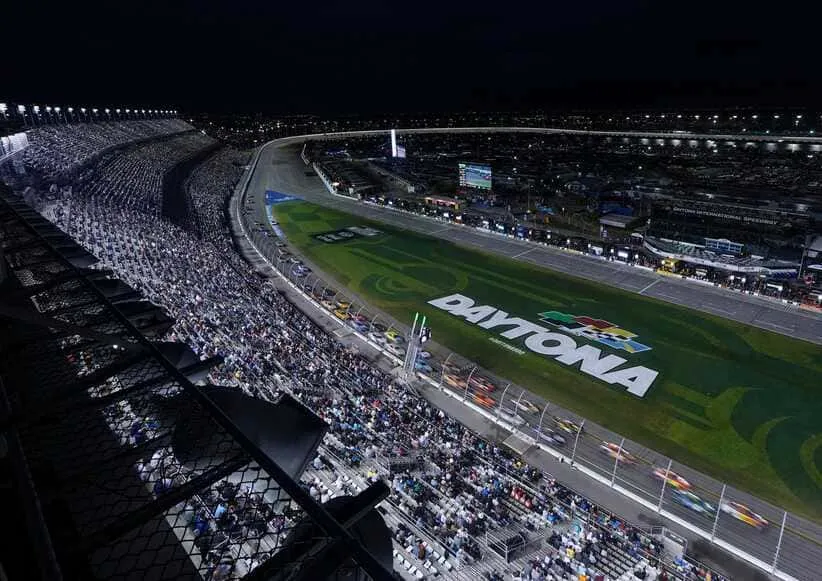
Speedweeks at Daytona always feels like the sport’s grand reopening. The offseason silence breaks the moment engines fire on pit road. Crews return with fresh energy. Fans settle into the infield with the same anticipation they’ve carried for decades. Before anyone can think about hoisting the Harley J. Earl Trophy, the field for the Daytona 500 must be set.
That process built around single‑car qualifying and the Duels remains one of the most pressure‑packed traditions in NASCAR. These two elements work together to determine who earns a spot in the Great American Race and where they will start. It is a system that rewards speed, racecraft, and composure under the kind of spotlight only Daytona can provide.
How Single‑Car Qualifying Works at Daytona
The first official competitive laps of Speedweeks come during single‑car qualifying. This format strips the sport down to its core. One car at a time. No drafting help. No teammates pushing from behind. Just a driver, a finely tuned superspeedway machine, and two laps to show what the team brought to Daytona. The goal is simple: run the fastest lap possible. But the stakes are enormous. Only two positions are locked in during this session:
- The pole winner
- The outside‑pole starter
Those two drivers are guaranteed the front row for the Daytona 500, no matter what happens in the Duels. Everyone else is qualifying for placement in the Duels, not for their Daytona 500 starting spot. Their lap time determines which Duel they will run:
- Odd‑numbered qualifiers go to Duel 1
- Even‑numbered qualifiers go to Duel 2
Teams spend months preparing for this moment. Engines are built for maximum horsepower. Bodies are shaped to cut through the air with as little drag as possible. Crew chiefs agonize over tape, tire pressure, and every aerodynamic detail. When the car rolls onto the track, the entire organization watches the stopwatch like their season depends on it. Because for some teams, it does.
How the Duels Set the Daytona 500 Lineup
Once qualifying sorts the field into two groups, the real fight begins. The Duels two 150‑mile qualifying races determine the bulk of the Daytona 500 starting lineup. Here’s how they work:
- Duel 1 sets the inside row of the Daytona 500
- Duel 2 sets the outside row
The finishing order of each Duel fills the grid in order. If you finish fifth in Duel 1, you start ninth in the Daytona 500. If you finish third in Duel 2, you start sixth. It is a straightforward system, but the racing is anything but simple. Drivers must balance aggression with survival. A strong finish can secure a prime starting spot. A wreck can force a team into a backup car and send them to the rear of the field on Sunday.
The Duels have produced some of the most emotional moments in Speedweeks history underdogs racing their way into the 500, veterans missing the show after a late‑race crash, and small teams celebrating like they’ve won a championship simply because they made the field. The Duels are not exhibitions. They are battles with real consequences.
How Open Teams Race Their Way Into the Daytona 500
The Daytona 500 is the only race on the schedule where more teams attempt to qualify than the field can hold. That means open teams those without a charter must fight for a limited number of spots. There are two ways for an open team to make the 500:
- Lock in through qualifying speed
- Race in through the Duels
If an open team posts one of the fastest qualifying laps among non‑chartered entries, they secure a spot before the Duels even begin. The remaining open positions are decided in the Duels, where the highest‑finishing open team in each race earns a place in the Daytona 500.
For these teams, the pressure is enormous. Making the 500 can secure sponsorship, keep a small operation afloat, or give a young driver a career‑defining opportunity. Missing the race can derail an entire season before it starts.
This is why fans gravitate toward these stories. They represent the heart of NASCAR—determination, grit, and the belief that anyone can earn their way into the sport’s biggest event.
What This Means for the 2026 Daytona 500
The combination of single‑car qualifying and the Duels ensures that the Daytona 500 lineup is earned on merit. Speed alone is not enough. Teams must show they can race in the draft, avoid trouble, and make smart decisions under pressure. For the 2026 Daytona 500, this process means:
- The fastest teams will rise early in the week.
- Underdogs will have a real chance to race their way in.
- Veterans must balance caution with the need for track position.
- Every lap of Speedweeks carries weight.
The Duels and qualifying shape the storylines that carry into Sunday. They set the tone for the season and remind everyone that nothing at Daytona comes easy.
What’s Next
The Daytona 500 is more than a race. It is a proving ground where preparation meets pressure. Single‑car qualifying showcases pure speed. The Duels showcase pure racing. Together, they create one of the most dramatic and meaningful weeks in motorsports.
As the 2026 Daytona 500 approaches, teams know that every decision matters. Every adjustment matters. Every lap matters. When the field finally rolls off pit road on Sunday afternoon, each driver will know they earned their place the hard way the Daytona way.
