
Women’s History Month Spotlight: Toni Breidinger And The Legacy Rewriting The Future Of Modern Motorsports

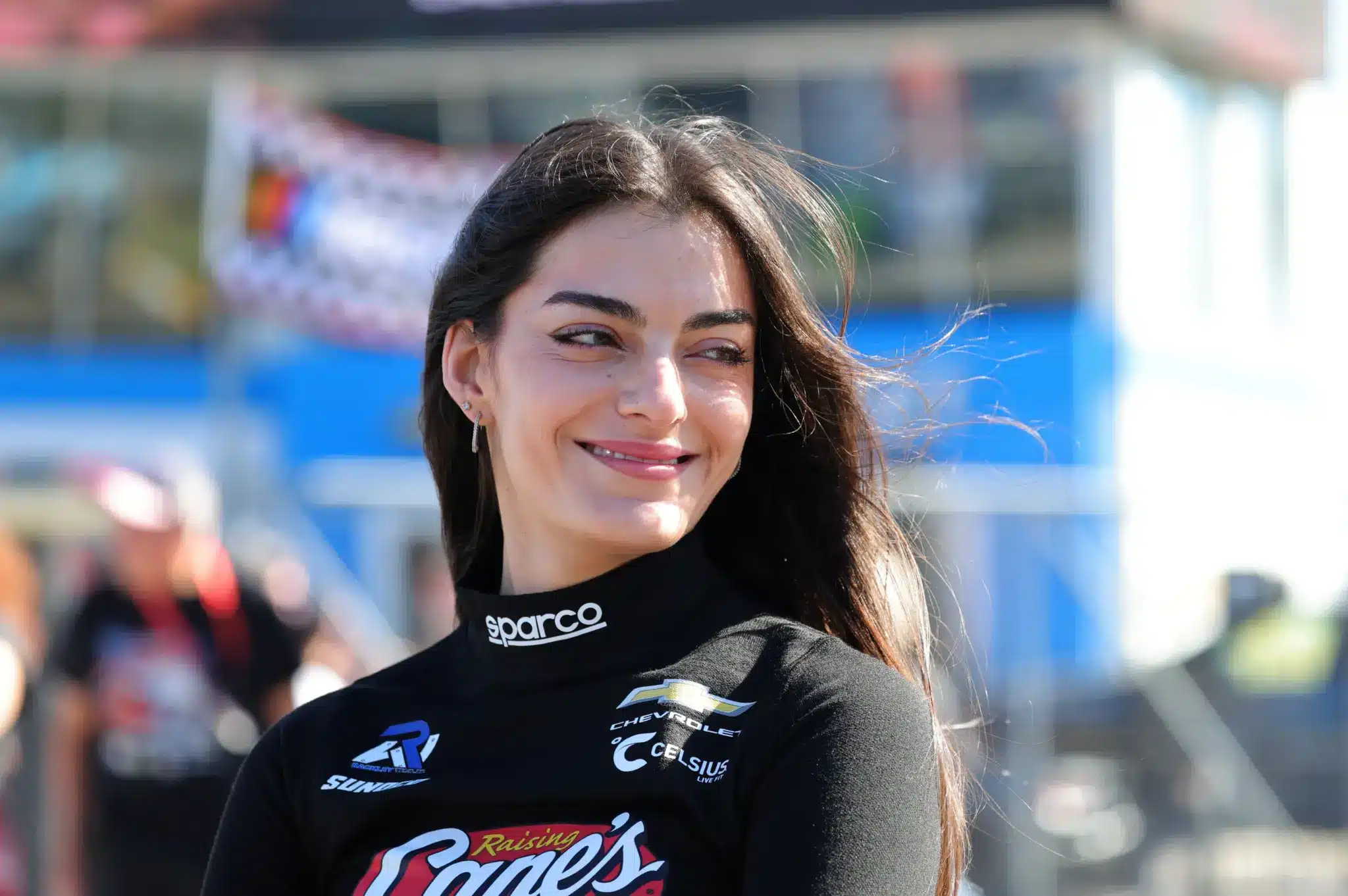
Toni Breidinger’s rise through American motorsports marks a measurable shift in who gets opportunities, who gets visibility, and who gets taken seriously in the garage area. Stock‑car racing has long followed a narrow pipeline. Breidinger’s career shows that pipeline widening is in real time.
She grew up in Hillsborough, California, and built her résumé through years of short‑track repetition, travel, and the kind of seat time that produces real race craft. Nothing about her climb was manufactured. She earned it through results, consistency, and a willingness to adopt disciplines that quickly expose weaknesses.
Early Days On The Asphalt
Breidinger started racing go‑karts at nine. By the time she turned 14, she had logged more than 200 karting starts across regional and national events. That early volume of racing gave her a foundation most young drivers never reach.
Her move into the USAC Western US Asphalt Midget Series pushed her into one of the most demanding grassroots divisions in the country. Midgets weigh roughly 1,000 pounds, produce around 350 horsepower, and react instantly to driver input.
They are known for producing elite talent. USAC alumni include Jeff Gordon, Tony Stewart, Kasey Kahne, Kyle Larson, and Christopher Bell. At 15, Breidinger began running up front. By 2016, she won the USAC Western US Asphalt Midget Series Championship, becoming one of the youngest champions in the region.
She went on to collect 19 USAC victories, the most by any woman in the sanctioning body’s 60‑plus‑year history. USAC has sanctioned more than 15,000 races since its founding. Only a small percentage of drivers ever reach double‑digit wins. Breidinger sits alone at the top of the women’s leaderboard.
Climbing The Ranks In ARCA And The Craftsman Truck Series
Switching from open‑wheel midgets to full‑bodied stock cars is one of the toughest transitions in racing. A USAC midget weighs around 1,000 pounds. An ARCA car weighs 3,300 pounds. The driving style, braking zones, and tire wear are completely different.
Breidinger made the move after studying late‑model racing at Madera Speedway and recognizing that stock cars were the clearest path to NASCAR. Her time in the ARCA Menards Series has been a steady build.
Driving for teams like Venturini Motorsports, she learned superspeedway drafting at Daytona and Talladega, where cars run in packs at 180–190 mph, and handled the physical short‑track races that define ARCA’s schedule.
Breidinger has made more than 40 ARCA starts, earned multiple top‑10 finishes, and completed more than 4,000 competitive laps in the series. That experience places her among the most seasoned female drivers in ARCA’s modern era.
In 2021, she became the first Arab‑American woman to race in a national touring NASCAR series, expanding the sport’s reach and representation. Her next step came in 2023, when she made her NASCAR Craftsman Truck Series debut with Tricon Garage at Kansas Speedway.
She finished 15th, the best debut by a woman in Truck Series history. Later that season, she ran two NASCAR races in one day, a test of conditioning and focus that only a handful of drivers attempt.
The Long‑Term Shift She Sets In Motion
Breidinger’s presence changes the landscape for women in the sport. Women account for less than 10% of ARCA starts over the last decade. Fewer than 10 women have ever competed in the Craftsman Truck Series. Only three women have won an ARCA race. The numbers show how limited the opportunities have been.
Her 19 USAC wins give young female drivers something concrete to point to not a one‑off moment, but a sustained record in a respected series. Her Truck Series debut set a new benchmark. Her ARCA experience adds another layer of credibility.
NASCAR’s female fanbase has grown by nearly 20% in the last ten years, and drivers like Breidinger are part of that shift. She brings in fans who have never seen themselves represented in the garage area. She also brings in fans from minority backgrounds who rarely see their heritage reflected in the sport.
Her off‑track work amplifies that reach. Partnerships with Victoria’s Secret, Celsius, Raising Cane’s, and her appearance in the Sports Illustrated Swimsuit Issue put her in front of audiences who may not follow racing.
That visibility matters. It brings new sponsors into the sport and challenges outdated ideas about who belongs in a fire suit. Every lap she runs widens the entry point for the next generation. The girls in karting, the teenagers in late models, the women with talent but not yet the platform.
A Legacy Already In Motion
Racing is unforgiving. It cuts careers short when funding dries up or results stall. Breidinger has stayed in the fight through persistence, adaptability, and a clear understanding of how modern motorsports work.
From her early days in midgets to her historic NASCAR milestones, she has built a résumé that stands on its own. She faces cultural stereotypes and gender bias every time she climbs into a car, and she keeps moving forward. Her presence alone shifts the landscape.
Women still make up less than 10% of ARCA starts and an even smaller share of Craftsman Truck Series entries, yet she continues adding starts, laps, and top‑tens to a record that already includes 19 USAC wins. the most by any woman in the sanctioning body’s history.
Those numbers give young drivers something concrete to measure themselves against, not just a symbolic figure to point to. And as her profile grows, so does the reach of the sport. Her partnerships, her visibility, and her ability to bring new demographics into NASCAR create opportunities that didn’t exist a decade ago.
She’s not just holding her place in the field. She’s expanding what the field looks like. Her impact is already visible in the next wave of young women entering karting, late models, and regional series with a clearer sense of what’s possible.
The Space She’s Forcing Open
As she adds more starts, more top‑tens, and more experience, her influence grows. Toni Breidinger isn’t just competing. She’s reshaping the sport’s future. And the young drivers watching her now will be the ones carrying that impact into the next decade.
Her progress gives them a blueprint that didn’t exist ten years ago. And every milestone she hits pushes the sport one step closer to a field that actually reflects the fans watching from the stands.
