
Brad Moran Sounds Off After Bristol: “We’ll Be Having A Chat” Following 4 Flashpoints

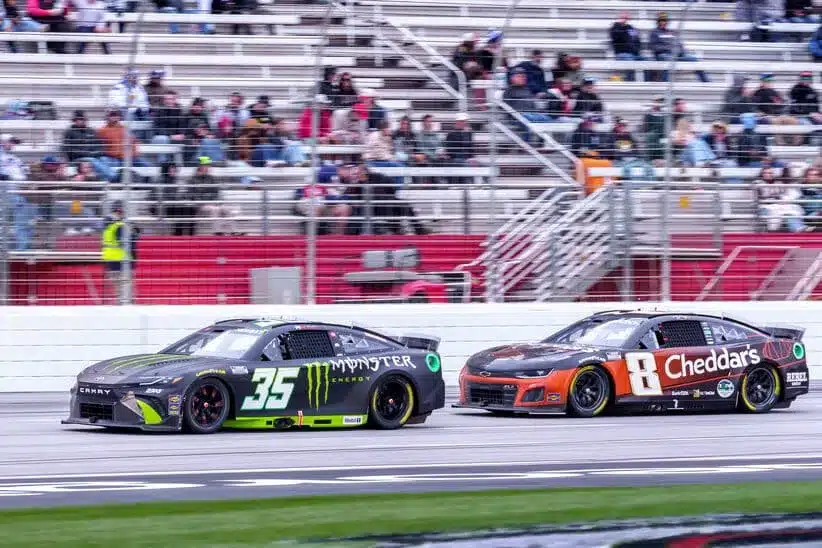
Bristol Motor Speedway’s 0.533‑mile track produced another weekend full of contact, cautions, and short‑track frustration. The Cup Series race had nine cautions for 72 laps, and several of them involved drivers who had already been part of recent run‑ins.
NASCAR officials said they reviewed everything from both the Truck and Cup races because of how many situations needed a second look. Brad Moran, the NASCAR Cup Series Managing Director, spoke afterward to explain why the sanctioning body stepped in to address the weekend.
The Eckes–Heim Incident And Its Impact
The Craftsman Truck Series race created the first major issue. On Lap 179, Christian Eckes got into Corey Heim while they were racing for the lead, sending Heim into the wall and collecting Kaden Honeycutt, Layne Riggs, and Chase Briscoe.
Heim came into the race with a chance to sweep the Triple Truck Challenge after winning at Darlington and Rockingham, which would have paid him $500,000, and the crash ended that shot immediately.
Eckes said he misjudged the move, and Heim admitted he had bumped Eckes first in the previous corner. NASCAR reviewed the incident using video, steering traces, and radio audio before deciding it wasn’t intentional and didn’t meet the level for a penalty.
Kyle Busch’s Bristol Struggles Add To The Tension
The Cup race added another storyline to an already tense weekend. Kyle Busch entered Bristol sitting 24th in points with no top‑10 finishes and a winless streak of more than 100 races, and the night didn’t help him turn things around.
On Lap 313, Riley Herbst made contact with Busch’s left rear and spun him in traffic, which contributed to Busch finishing 26th. Busch’s radio traffic showed how frustrated the team was with both the performance and the repeated contact.
Even though the Herbst‑Busch situation wasn’t tied to the Eckes‑Heim crash, the combination of incidents made it clear that emotions were running high across both series. Several teams mentioned the tension carried over from one race to the next, which only added to the frustration.
Why Brad Moran Is Speaking Out
Brad Moran addressed the media because the weekend raised concerns about how aggressive drivers were getting and whether things might escalate in future races. NASCAR’s review of the Eckes‑Heim crash showed that the contact was a mistake, not a deliberate wreck, and Heim’s comments supported that.
Even so, the outcome, including the loss of a $500,000 bonus, required NASCAR to explain why no penalty was issued. The Cup Series incidents added to the urgency, especially with Busch’s spin and the tone of the radio chatter from his team. It pushed NASCAR to clarify its stance before the situation could escalate further.
Moran said the goal was to make it clear that hard racing is fine, but intentional retaliation won’t be tolerated. He explained that officials want drivers to settle positions on the track, not through payback that puts others at risk. Moran also noted that repeated incidents will draw closer scrutiny as the season moves forward.
NASCAR’s Review And The Message Moving Forward
NASCAR officials reviewed every angle and data point before deciding that neither the Truck nor the Cup incidents warranted immediate penalties. The information they reviewed supported the conclusion that both situations fell under hard racing rather than deliberate wrecking.
By not issuing fines or point deductions, NASCAR signaled that it will continue to allow aggressive racing while keeping a close eye on how drivers handle similar situations. The private conversations planned with the drivers involved show that NASCAR is reinforcing expectations directly with the teams.
The Bristol weekend sets the tone for how NASCAR will handle short‑track issues for the rest of the season, and drivers now know their actions will be judged against recent events. Teams also understand that anything resembling payback will be looked at differently after what happened.
What’s Next
The 2026 Bristol races brought real consequences. Christian Eckes’ mistake erased Corey Heim’s $500,000 opportunity, and Kyle Busch’s late spin added to an already difficult season. The weekend showed how quickly short‑track problems can escalate when multiple series deal with similar issues.
Brad Moran’s comments showed NASCAR wants aggressive racing without crossing the line. The message is direct: race hard, but stay within safe, fair limits. NASCAR will be watching the next short‑track race closely to see how drivers respond.
For More Great Content
Stay plugged in with more race analyses, features, and behind‑the‑garage storytelling. Follow Sarah on Facebook, LinkedIn, and X at Sarah Talker, where the conversation keeps rolling long after the checkered flag drops.
