
From Vertigo To The Coliseum: Why Alex Bowman’s Bristol Return Demands Steady Hands

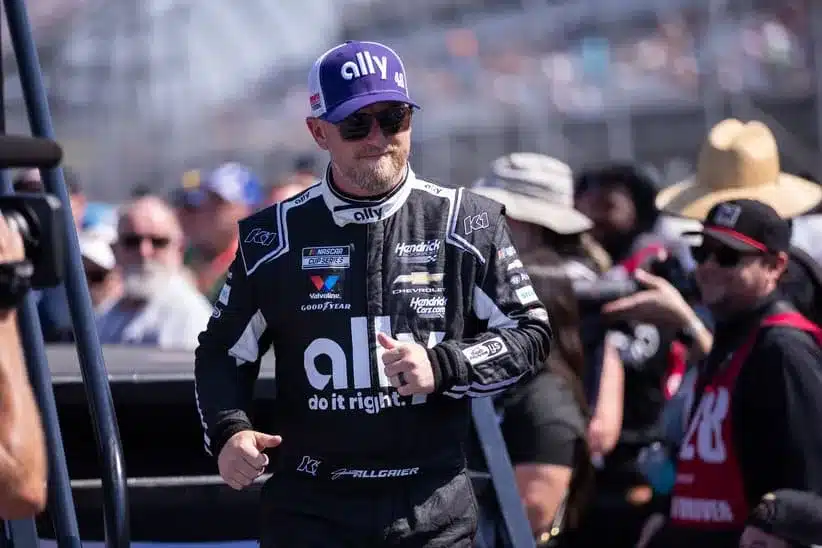
Alex Bowman’s fight to return to the NASCAR Cup Series became a month‑long test of physical stability, neurological recovery, and mental endurance. Vertigo stripped him of the one system a driver cannot function without: equilibrium. His comeback now stands as one of the most demanding medical recoveries of his career.
This has been solely built on testing, travel, and a return timed for one of the toughest tracks on the schedule. As he breaks down the final steps of that recovery, his story naturally sets the stage for the broader pressures and consequences that shape the rest of the weekend.
The Onset At COTA
The crisis began on March 1 at Circuit of The Americas, a 3.41‑mile road course with 20 turns, elevation changes exceeding 130 feet, and braking zones that push drivers to more than 3 Gs. Bowman completed 25 laps before his inner ear collapsed on him. His vision spun. His stomach turned.
He became sick inside a 3,400‑pound race car running in traffic at more than 150 mph. Continuing would have endangered the entire field, and he made the only safe decision. He parked the car and handed it to Myatt Snider. Bowman spoke to the media at Bristol Motor Speedway on Friday, recounting his harrowing experience.
“Everything was fine until it wasn’t… dizziness, throwing up on myself, spinning, all the things. I’ve raced through a lot of injuries, but that was one where I was going to end up running into something or somebody, and the smart thing to do was to get out,” Bowman said.
The Physical And Mental Toll
Vertigo offered no predictable timeline. Bowman spent the next month traveling to specialists across the country while Hendrick Motorsports used team aviation resources to move him quickly between appointments. Recovery required vestibular rehabilitation, balance retraining, and repeated neurological evaluations. Some days brought progress.
Others brought setbacks. Standing up too quickly could trigger symptoms. Training sessions had to be carefully controlled. During his absence, Anthony Alfredo handled Phoenix, and Justin Allgaier ran Las Vegas, Darlington, and Martinsville. Watching other drivers strap into the No. 48 was a mental strain for a competitor who had started 299 consecutive Cup races before this setback.
The Turning Point
Bowman’s return depended on measurable proof. He first tested a high‑performance street car at the Ten Tenths Motor Club circuit to confirm he could withstand sustained G‑forces. He then completed pit‑stop drills and logged hours in the simulator, an environment that can trigger dizziness even in healthy drivers.
A final medical evaluation cleared him with zero restrictions. Hendrick Motorsports president Jeff Andrews confirmed the team would not bring a relief driver to Bristol, signaling complete confidence in Bowman’s recovery.
Conquering Bristol’s Concrete Coliseum
Returning to Bristol Motor Speedway is a statement. The half‑mile track produces 15–16‑second laps, constant lateral load, and 500 circuits of unrelenting physical demand. Drivers experience repeated G‑forces every few seconds, with almost no straightaway to reset their vision or breathing. If any trace of vertigo remained, Bristol would expose it immediately.
Bowman’s choosing this venue for his return shows full trust in his body and his medical team. His balance is restored. His vision is stable. He is prepared for one of the most punishing events on the schedule.
What His Return Means
Bowman’s comeback stabilizes the No. 48 team after a month of substitutes. Chemistry between a crew chief and a full‑time driver cannot be replicated, and Bowman’s presence restores rhythm to a championship‑caliber operation.
Missing four races leaves him with a steep points deficit, and a win is likely the clearest path to the postseason. But the larger victory is his health. He returns with clarity, gratitude, and a renewed sense of purpose after an invisible illness briefly took away the one thing he has spent his life mastering.
What’s Next
Alex Bowman’s return is more than a medical clearance. It is a testament to resilience. He went from being unable to trust his own balance to preparing for 500 laps at one of NASCAR’s most physically punishing tracks. Vertigo threatened his season, his rhythm, and his identity as a driver.
However, Bowman fought through weeks of uncertainty, testing, and rehabilitation to reclaim his seat. Bristol will test every inch of his recovery, but the fact that he is back behind the wheel at all is a victory built on grit, discipline, and an unshakable commitment to race again.
For More Great Content
Stay plugged in with more race analyses, features, and behind‑the‑garage storytelling. Follow Sarah on Facebook, LinkedIn, and X at Sarah Talker, where the conversation keeps rolling long after the checkered flag drops.
