
Dash 4 Cash: The Stats Behind The 2026 Format From 2 Second Falloff To 200 MPH Packs

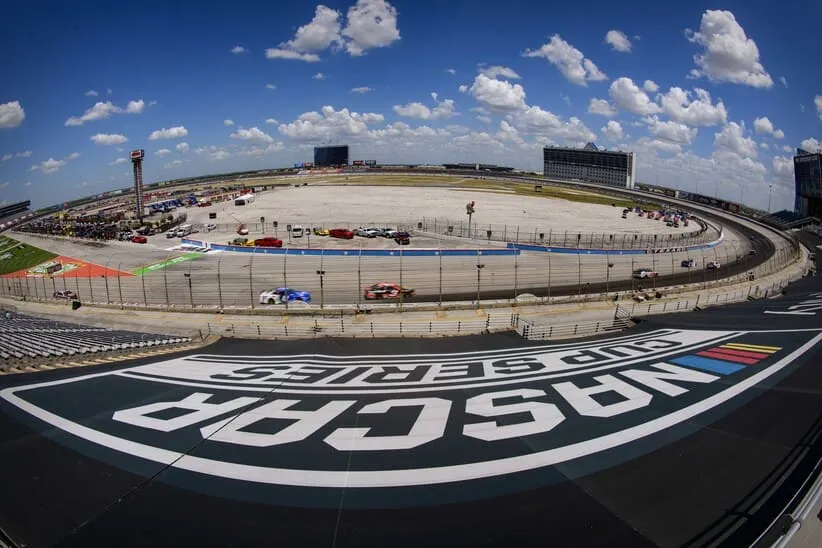
There’s a different kind of electricity in the garage when six‑figure money is on the line. Crew chiefs pace with shorter tempers. Spotters talk faster. Drivers strap in with a grip that’s just a little tighter than usual. The NASCAR O’Reilly Auto Parts Series is always competitive, but when a $100,000 bonus drops into the middle of the season, the intensity spikes instantly.
The Dash 4 Cash doesn’t just raise the stakes. It rewrites the way drivers race. And that tension is justified. In 2025 alone, three of the four Dash 4 Cash races ended with last‑lap passes, and two produced post‑race confrontations on pit road.
When that kind of money is on the table, nobody gives an inch. The 2026 edition promises even more volatility as teams fight through one of the most diverse four‑week stretches on the schedule. Every decision feels heavier when the margin for error shrinks to nothing.
What Is The Dash 4 Cash?
Launched in 2009, the Dash 4 Cash has become one of the defining midseason features of the O’Reilly Auto Parts Series. It’s a four‑race sprint where series regulars battle for a $100,000 bonus each week: no Cup Series ringers, no outside interference, just the Saturday stars fighting for life‑changing money. Across its history, the program has awarded more than $7 million in bonus payouts.
For powerhouse organizations, the money boosts morale and budgets. For smaller teams, it can reshape their entire season. A single Dash 4 Cash win can fund new engines, upgraded simulation time, or a month’s worth of tires. That financial disparity creates a sense of urgency you can feel from the first lap.
The program’s structure has also produced some of the most memorable midseason moments in series history. In 2016, the bonus was decided by just 0.012 seconds at Bristol. In 2021, a Dash 4 Cash winner went on to finish top‑five in the championship. The stakes don’t just affect the moment. They can alter the trajectory of a season.
How The Program Works
The NASCAR Dash 4 Cash format is simple and ruthless. Before the bonus races begin, the field must be set. The top four finishing series regulars in the Rockingham qualifier lock themselves into the first Dash event. From there, the rules tighten:
- Only those four drivers are eligible for the bonus.
- The highest finisher among them wins the $100,000.
- That winner automatically advances to the next round.
- The next three highest‑finishing regulars from that race join them.
- The cycle repeats for four straight weeks.
To be eligible, a driver must be declared for O’Reilly Series points. No Cup regulars dropping down. No late‑season ringers. This is a program built for the drivers grinding through the full schedule. The format also creates unusual strategy decisions.
Teams often short‑pit, gamble on two tires, or stay out on old rubber simply to beat the other three eligible drivers. It’s one of the few times all season where finishing 12th can feel like a win, as long as the other Dash 4 Cash contenders finish behind you.
The 2026 Dash 4 Cash Schedule
NASCAR built a brutal, diverse slate for this year’s program: four tracks, four disciplines, four completely different ways to win or lose $100,000. Each stop on the schedule demands a unique skillset, forcing drivers to shift styles week after week with no margin for error.
The variety alone guarantees chaos: short‑track aggression at Bristol, high‑speed precision at Kansas, pack‑racing survival at Talladega, and the technical demands of Texas. It’s a stretch designed to expose weaknesses, reward adaptability, and push every team to its absolute limit.
The Qualifier: Rockingham Speedway — April 4
Rockingham Speedway sets the tone. The surface produces 1.8–2.3 seconds of falloff within the first 25 laps, making it one of the most tire‑sensitive tracks in the country. The top four regulars here earn their way into the money rounds. One mistake on the road can cost a driver thousands of dollars before the program even begins.
Rockingham also has a history of surprise performances. In last year’s event, a mid‑pack team finished inside the top five on strategy alone, proving that tire discipline can flip the script. The 2026 qualifier could easily produce another unexpected name in the Dash 4 Cash lineup.
Round 1: Bristol Motor Speedway — April 11
The first official Dash 4 Cash race drops into the half‑mile chaos of Bristol. With 15–20 second lap times, lapped traffic appears almost immediately. Tempers flare fast. If a driver needs to use the bumper for $100,000, they won’t hesitate.
Bristol Motor Speedway has delivered some of the closest Dash 4 Cash margins in history, including a 0.03‑second finish in 2022. The tight confines and constant traffic make it the perfect opening round, a place where aggression is rewarded, and patience is punished.
Round 2: Kansas Speedway — April 18
For the first time, Kansas joins the Dash 4 Cash rotation. The 1.5‑mile track features progressive banking up to 20 degrees, and drivers run inches from the wall to maintain momentum. One slip of the right‑rear tire ends both the race and the bonus hopes instantly.
Kansas is also one of the most statistically balanced tracks on the schedule. Over the past five seasons, nine different drivers have won there, and the average margin of victory sits under 1.2 seconds. That parity makes Kansas a perfect wild‑card round.
Round 3: Talladega Superspeedway — April 25
Talladega returns to the program with its usual brand of anxiety. The draft keeps the field in a 40‑car pack at 200 mph, and one bad push can trigger a multi‑truck crash. Winning the bonus here requires equal parts skill, drafting partners, and luck.
Talladega has produced more Dash 4 Cash upsets than any other track. In 2020, a driver who hadn’t led a single lap all season won the bonus by leading only the final 1,200 feet. Expect similar chaos in 2026.
Round 4: Texas Motor Speedway — May 2
The finale lands in Fort Worth. Texas has become one of the trickiest intermediates on the schedule, with corner exits that punish over‑driving and restarts that often produce three‑wide chaos. Someone will leave with a heavy wallet, and they’ll have to fight for every dollar.
Texas also tends to crown unexpected heroes. In the last three seasons, the average starting position of the Dash 4 Cash winner here is 11.7, proving that track position isn’t everything. Execution on restarts and pit road often decides the finale.
What This Means For The Sport
The Dash 4 Cash strips NASCAR down to its core: beat the drivers you’re racing, and take home the check. No playoff math. No long‑term strategy. Just execution under pressure. For drivers, it’s a mental test. For teams, it’s a financial lifeline.
For fans, it’s four straight weeks of elbows‑out racing. Rivalries often start here. Careers sometimes change here. And every year, the program produces at least one moment that becomes a season‑defining highlight.
The ripple effect lasts long after the money is handed out. In multiple seasons, Dash 4 Cash winners have parlayed that momentum into playoff berths, sponsorship extensions, and even full‑time Cup opportunities. The stakes go far beyond the check.
What’s Next
The 2026 Dash 4 Cash is shaping up to be one of the most intense stretches of the season. From Rockingham’s tire wear to Talladega’s white‑knuckle drafting, the schedule forces drivers to use every tool they have. When the helmets go on at Bristol, friendships fade, and urgency takes over.
A hundred grand is on the line. It’s time to race. And with four wildly different tracks in four weeks, the 2026 edition may be the most unpredictable yet. The drivers who survive this gauntlet won’t just earn money, they’ll earn respect, momentum, and a place in one of the sport’s most pressure‑packed traditions.
