
Audi Turn Heads in Bahrain: Inside Their ‘Bold’ Pre-Season Start

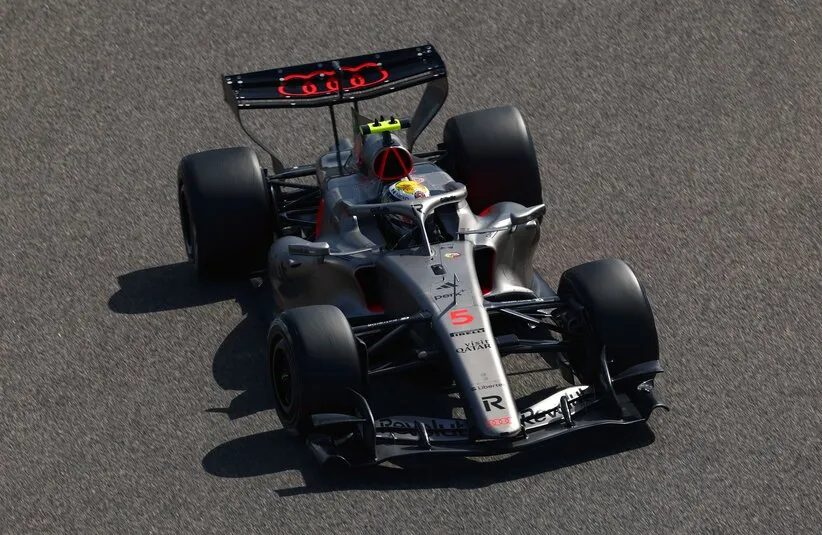
The Formula 1 paddock is rarely a place for secrets once the engines fire up. Pre-season testing in Bahrain is the ultimate truth-teller, stripping away the glossy renders and PR speak to reveal exactly where teams stand. For Audi, a manufacturer entering the sport with massive expectations, the spotlight in the desert was blindingly bright.
The big question on everyone’s mind was simple: Can the newcomer swim with the sharks?
Following a productive first test session with their 2026 challenger, the answer seems to be a cautious but confident “yes.” With Sporting Director Jonathan Wheatley praising the team’s “bold and creative” design choices, Audi has signaled that they aren’t here just to make up the numbers. Here is a deep dive into what went down in Sakhir, why their strategy matters, and what it means for the upcoming season.
Validating a “Bold and Creative” Philosophy
Entering Formula 1 is arguably the hardest engineering challenge in the sporting world. Most new entrants play it safe, opting for conservative designs to ensure they simply finish the lap. Audi, however, appears to have taken a different route.
Jonathan Wheatley’s assessment of the test was notably upbeat. He didn’t just talk about survival; he highlighted innovation. By describing the engineering solutions as “bold,” Wheatley confirmed that Audi has attempted to exploit the new 2026 regulations in novel ways rather than copying established concepts from the frontrunners.
The primary goal in Bahrain wasn’t to top the timing sheets—a trap many rookies fall into—but to validate these specific off-season concepts. The team needed to know if the data from the wind tunnel in Neuburg matched the reality on the asphalt in Bahrain.
According to internal reports, the correlation was strong. The “creative” directions taken regarding the floor performance and airflow seem to be working as intended, providing a solid baseline for the engineers to build upon.
Mileage Over Headlines: The Testing Strategy
If you were looking for Audi at the very top of the timesheets on Day 1, you might have been disappointed. But seasoned F1 observers know that “winning” testing is often a fool’s errand.
Audi’s program was disciplined and heavy on mileage. The drivers were sent out on long runs designed to probe two of the most critical factors in modern F1: tire degradation and fuel consumption. Under the sweeping technical changes of the 2026 regulations, understanding how the car behaves over a race distance is infinitely more valuable than a low-fuel “glory run” on soft tires.
This approach allowed the team to gather crucial telemetry on cooling strategies—a massive factor in the heat of Bahrain—and refine their aero maps. The fact that they could complete these programmed long runs without major reliability setbacks is a quiet victory in itself. It suggests the power unit and chassis are talking to each other correctly, a hurdle that often trips up new manufacturers.
The Paddock Takes Notice
While Audi focused on their internal data, the rest of the pit lane was watching closely. Rival engineers and journalists noted the consistency of the Audi program. In a sport where reliability allows you to finish first, the absence of major mechanical dramas for a brand-new team is significant.
The broader implication here is the development curve. If Audi’s unique design choices are already reliable, they can move immediately to performance upgrades. Teams that spend testing fixing oil leaks or overheating issues start the season on the back foot.
Audi, by contrast, left Bahrain with a clear roadmap for the next steps. If those “creative risks” pay off across different track temperatures, the German squad could become a genuine nuisance to the established order sooner than predicted.
What Comes Next for the Four Rings?
The data drives are now full, and the cars are back in the garage, but the work is just starting. The team heads into the second test block with a specific to-do list:
- Validate under variables: Testing the car’s behavior under different track conditions to ensure the Bahrain performance wasn’t a fluke.
- Suspension and Aero: Refining the balance to protect the tires better over a stint.
- The Upgrade War: Rival factories are already responding. The weeks between testing and the first race are a rapid-fire exchange of ideas, and Audi must keep pace.
FAQ: Understanding Audi’s Start
Q: Does a good test mean Audi will be fighting for podiums immediately?
A: It’s unlikely. Consistency is the first step; podiums are a distant second.
Q: What specifically makes the car “bold”?
A: While specific technical details are guarded, Wheatley’s comments suggest Audi has found unique aerodynamic or mechanical solutions to the 2026 regulations that differ from the standard grid philosophy.
Q: Were there any red flags?
A: Remarkably, no major reliability issues were reported. However, the team is still heavily focused on monitoring cooling and tire wear, which can destroy a race strategy if not managed perfectly.
The Road Ahead
Audi’s debut in Bahrain was a constructive first step in a marathon, not a sprint. Jonathan Wheatley’s optimism feels grounded in reality rather than PR fluff. They have a reliable car and a distinct design philosophy. The true test, however, awaits at the first Grand Prix light’s out. For now, the German manufacturer has proven one thing: they are ready to race.
