
Aston Martin’s Biggest Headache Heading Into The 2026 Australian Grand Prix

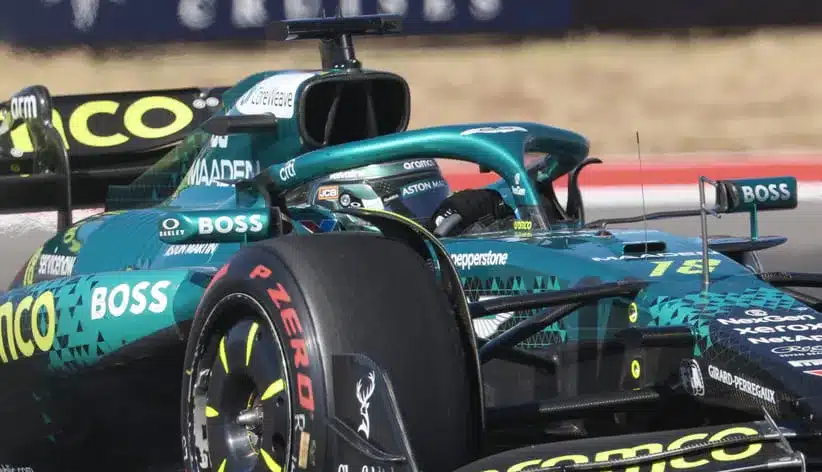
When Adrian Newey walked away from Red Bull and into Aston Martin green, the message was unmistakable: this team was done playing small. A new factory, a new engine partnership, and the greatest designer of the modern era. It felt like the beginning of something serious.
Then Bahrain happened. Aston Martin arrived at pre‑season testing ready to show the world the first chapter of their 2026 project. Instead, they left with a list of problems long enough to make even Newey wince. The AMR26, their first car built under the new regulations, suffered from violent, relentless vibrations coming straight from the power unit.
These weren’t minor shakes. They were destructive. Honda’s battery cracked. Components failed. Mirrors detached. Tail lights quit. Fernando Alonso said he couldn’t run more than 25 laps without risking nerve damage in his hands. Lance Stroll said his limit was closer to 15. That isn’t a setup issue. That’s a structural failure.
The Vibration Problem, And Why It’s So Serious
Aston Martin’s trouble sits at the intersection of three major firsts: their first works‑engine partnership, their first in‑house gearbox, and their first self‑designed rear suspension, all introduced under an entirely new rulebook. The early signs showed how fragile that combination was.
Newey broke down the issue in simple terms. The internal combustion engine and MGU were generating vibration at the source. The chassis was transmitting it. The battery was absorbing it and breaking under the load. Every lap in Bahrain was a gamble.
Honda’s Racing President, Koji Watanabe, confirmed that the team developed a countermeasure for Melbourne. It went through extensive dyno testing the weekend before the Australian Grand Prix. Engineers believe it will significantly reduce the vibration reaching the battery. But Watanabe didn’t pretend it was a miracle fix. He said plainly:
“Its effectiveness could not be fully guaranteed until the car ran under real track conditions.”
What Melbourne Looks Like For Aston Martin
Aston Martin heads into Albert Park with a car that barely turned laps in testing. Limited mileage means limited data. Limited data means guesswork. And guesswork is the last thing you want when you’re trying to understand a brand‑new car built around brand‑new regulations and a brand‑new engine partnership.
Newey didn’t sugarcoat their competitive position. On pure chassis performance, he estimated Aston Martin was the fifth‑best team heading into Melbourne, good enough to fight for Q3, not pole. But he also made something else clear: the chassis itself isn’t the problem. The AMR26 was built with long‑term development in mind, not short‑term fireworks.
The architecture is strong. The potential is real.Newey said he believed the car had “huge, tremendous development potential.” Coming from the man who designed title‑winning machinery at Williams, McLaren, and Red Bull, that isn’t empty optimism.
The Drivers Aren’t Panicking
Fernando Alonso and Lance Stroll arrived at the Australian media day with the same energy: frustrated, yes, but absolutely not defeated. Alonso, who has survived more chaotic seasons than most drivers ever experience, kept his focus on the work ahead. The team missed an entire winter’s worth of setup exploration. That process starts now.
Stroll echoed the sentiment. “We want to be more competitive,” he said. “But all we can do is put our heads down and get on top of the issues we have.”No panic. No finger‑pointing. Just a team trying to dig itself out of a hole. That matters more than people realize.
What This Means For Aston Martin’s 2026 Season
This situation is bigger than Melbourne. Aston Martin entered 2026 with one of the most compelling rebuild stories in the paddock: Newey’s arrival, Honda power, major investment, and a clear ambition to join the front‑running elite.
The vibration crisis doesn’t erase any of that. But it does slow the timeline. Every lap they lost in Bahrain is data their rivals gained. Every race where the power unit must be protected is a race where the chassis development program can’t be pushed to its limits.
Aston Martin needs Honda to find the root cause, not just patch the symptoms, before the AMR26 can show its true pace. The Melbourne countermeasure is step one. Identifying and eliminating the underlying issue is step two. Only then does Aston Martin’s real season begin.
What’s Next
Aston Martin entered 2026 carrying enormous promise. They still do. The chassis is strong. The Honda partnership has real upside. The talent inside the Silverstone facility is undeniable. But none of that matters until the vibration problem is solved. The Australian Grand Prix won’t define their year. It may not even be a weekend they want to remember.
What it will be is the start of a long, demanding climb, the kind that separates teams who talk about fighting for podiums from those who eventually stand on them. Newey believes the car will come good. Watanabe says the work is underway. Alonso says there is always a goal worth chasing.
