
The 2027 Hall Of Fame Case For Neil Bonnett: A Lasting Legacy Of Skill, Sportsmanship, And Influence In NASCAR History

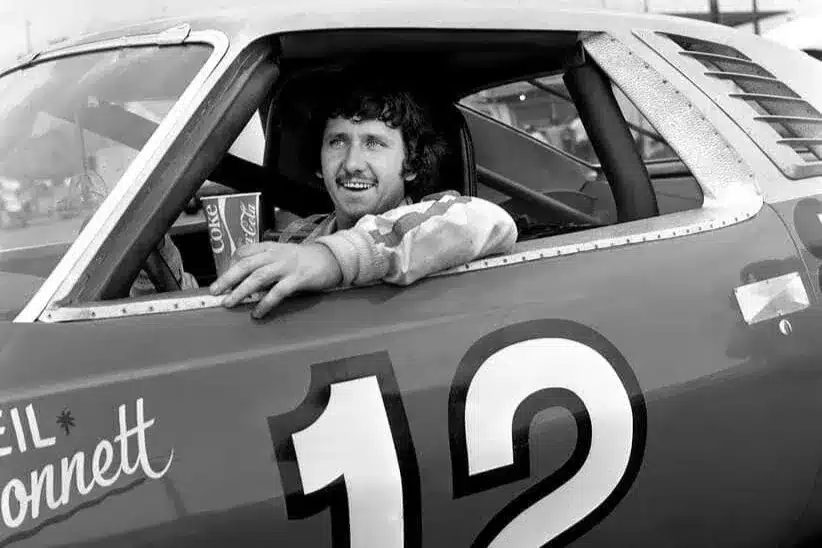
Anyone who followed NASCAR through the 1970s and 80s knew exactly who Neil Bonnett was. His name carried weight in the garage long before television made him a familiar face to fans at home. Bonnett was a core member of the Alabama Gang, a driver with natural car control, and later one of the sport’s most trusted voices.
Born in Hueytown, Alabama, on July 30, 1946, he came from a place where racing wasn’t a pastime. It was part of the community’s identity. His career reflects the sport’s shift from its rough‑cut early years into a more polished, national era.
Learning The Trade In Hueytown
Bonnett didn’t enter NASCAR through the front door. He learned the sport by working alongside Bobby Allison, turning wrenches and studying how a car behaved at its limits. That hands‑on education gave him a feel for machinery that couldn’t be taught in a classroom.
By 1972, he was nearly unbeatable on Alabama’s short tracks, winning close to 80 percent of his starts and earning a reputation that spread far beyond Hueytown. Those early years shaped the instincts he carried with him for the rest of his career, the kind that only come from solving problems with your own hands.
When he eventually stepped into higher levels of competition, that foundation gave him a calm confidence that others noticed right away. He wasn’t just a driver learning on the job. He already understood how to read a car and adapt in real time.
Breaking Through On The National Stage
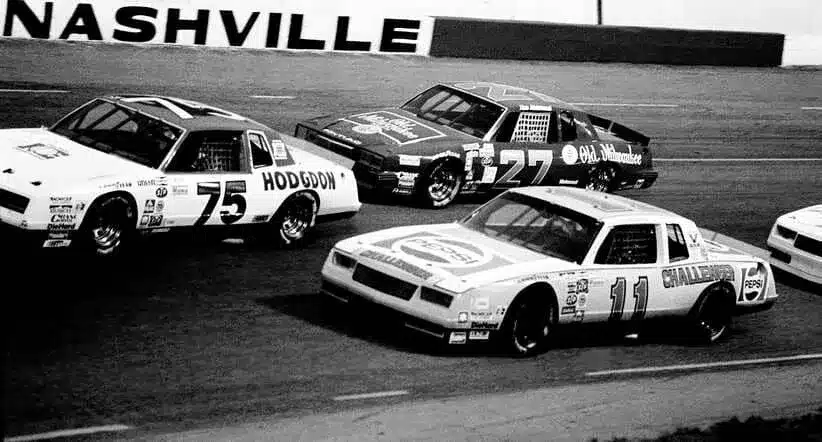
Bonnett entered the Winston Cup Series in 1974, and it didn’t take long for him to prove he belonged. His first win came in 1977 at Richmond, a breakthrough that showed he could handle pressure at the highest level.
Later that season, he won the Los Angeles Times 500, the final NASCAR victory for Dodge until the manufacturer returned in 2001. Those wins marked him as a rising star, but they also revealed his ability to manage long races with patience and precision.
Even in those early years, he showed the blend of toughness and finesse that would define his best seasons. He handled pressure with confidence and adapted quickly to changing conditions. Those qualities set the tone for the success that followed.
Building A Reputation With NASCAR’s Greatest Teams
The late 1970s tested him with mechanical failures and ownership disputes, but Bonnett’s resilience carried him through. In 1979, he joined Wood Brothers Racing and immediately revived his career, stepping into a seat once held by David Pearson and winning three races that season.
Through the 1980s, he drove for Junior Johnson and Richard Childress, two of the most influential operations in NASCAR history. He won the World 600 at Charlotte in back‑to‑back years in 1982 and 1983, proving he could master one of the sport’s most demanding events.
His 1985 season with Junior Johnson, where he finished fourth in points, showed he could contend for a championship against the toughest competition of the era. It demonstrated his consistency and ability to perform at a high level throughout an entire season.
Taking American Stock Cars To The World
In 1988, Bonnett helped NASCAR take a historic step beyond American borders. The Goodyear NASCAR 500 at Calder Park Thunderdome in Melbourne, Australia, marked the sport’s first race outside North America, and Bonnett was at the center of it.
He won the pole, battled cockpit temperatures that reached 135 degrees, and survived a crash‑filled 310‑mile event to take the victory. That win wasn’t just another trophy. It was a milestone that introduced stock car racing to a global audience.
Bonnett’s performance showed that NASCAR’s best could compete anywhere, under any conditions, and still deliver a show worth remembering. It highlighted the versatility and determination required to succeed at the highest level of motorsports. Moments like these continue to inspire fans and reinforce the enduring appeal of competitive racing.
The Toll Of Racing And A New Voice For The Sport
The 1990 crash at Darlington changed the trajectory of his life. A violent 14‑car pileup left him with memory loss, dizziness, and a long recovery that forced him out of the driver’s seat. But Bonnett didn’t fade away.
He reinvented himself. He became a broadcaster for CBS, TBS, and TNN, bringing clarity, humor, and firsthand insight to millions of fans. His show, Neil Bonnett’s Winners, helped humanize the sport at a time when NASCAR was expanding into mainstream American culture.
Bonnett had a natural ability to explain racing in a way that made people feel like they were part of it. His storytelling brought the action to life, making even the most complex moments easy to understand. That connection helped fans feel closer to the sport and deepened their appreciation for every lap.
A Final Return and a Final Loss
By 1993, Bonnett had regained medical clearance and returned to competition with Richard Childress Racing. His comeback at Talladega ended in a frightening airborne crash, but he walked away and immediately returned to the broadcast booth to finish calling the race.
His final start came later that year in Atlanta, where he quietly parked his car early to help Dale Earnhardt secure the championship. That act reflected the loyalty that defined his relationships in the garage.
On February 11, 1994, during practice for the Daytona 500, Bonnett lost his life in a single‑car accident, leaving the sport without one of its most respected figures. The tragedy sent shockwaves through the racing community and deeply affected fans and fellow drivers alike.
Why His Legacy Belongs In The Hall Of Fame
Neil Bonnett’s legacy reaches far beyond his 18 Cup Series wins. He helped shape the identity of the Alabama Gang, carried NASCAR onto the international stage, and became one of the sport’s most trusted voices in broadcasting. His influence touched drivers, teams, and fans, bridging the gap between NASCAR’s gritty early years and its polished modern era.
Bonnett represented the sport’s heart: tough, loyal, humble, and fearless. The 2027 Hall of Fame nomination doesn’t rewrite his legacy; it simply acknowledges what the sport has always known. Neil Bonnett belongs among the greats.
For More Great Content
Stay plugged in with more race analyses, features, and behind‑the‑garage storytelling. Follow Sarah on Facebook, LinkedIn, and X at Sarah Talker, where the conversation keeps rolling long after the checkered flag drops.
