
The 2027 Hall Of Fame Case For Randy Dorton: Honoring A Craftsman Who Elevated A Dynasty

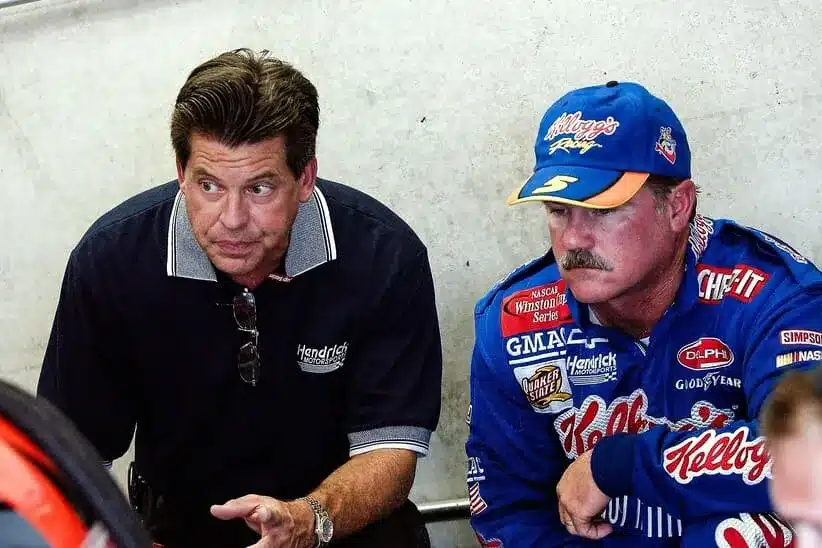
Anyone who ever walked through the Hendrick Motorsports engine shop during its climb to dominance knew exactly whose presence lingered in the air. Randy Dorton didn’t need to raise his voice or stand in the spotlight. His work did that for him.
He was the steady hand behind the horsepower, the man who turned raw metal into something that could win on Sunday and survive the punishment that came with it. Born in Concord, North Carolina, in 1954, he grew up in a region where racing wasn’t a hobby, but it was part of the landscape.
His career would eventually define what a modern NASCAR engine program should look like, and the sport is still running on the foundation he built. His ideas pushed teams to rethink how engines were built, tested, and maintained, long before the sport leaned on computers to make those decisions.
Learning the Trade And A Partnership That Changed Everything
Dorton’s early years were spent under the guidance of Harry Hyde, a crew chief known for equal parts brilliance and stubbornness. Working in those small shops taught Dorton how to think through a problem instead of rushing to fix it. He learned to trust his hands, his eyes, and the sound of an engine more than any chart or manual.
Eventually he opened Competition Engines, a small operation that quickly earned a reputation for power and dependability. In 1984, Rick Hendrick bought the company and brought Dorton into what was then All‑Star Racing. It was a gamble for a young team owner, but Hendrick saw something in Dorton that others had missed.
By 1986, Dorton had already been named NASCAR’s Engine Builder of the Year, and the partnership that started in a modest shop was beginning to reshape the competitive landscape. He was already becoming the kind of engine builder other teams measured themselves against, even if they didn’t want to admit it.
Building A Dynasty At Hendrick Motorsports
The numbers tied to Dorton’s career don’t need embellishment. From 1984 until 2004, his engines powered Hendrick Motorsports to 136 national series victories and nine NASCAR championships across the Cup, Xfinity, and Truck Series.
His engines won three Daytona 500s, six Coca‑Cola 600s, four Brickyard 400s, and seven Southern 500s, a résumé that reads like a checklist of the sport’s crown jewels. But the numbers only tell part of the story. Dorton built engines that didn’t just win. they held together when races stretched into brutal, sweltering afternoons.
His work helped turn Hendrick Motorsports from a promising young team into the most successful organization in NASCAR history. The consistency he delivered year after year became the backbone of the dynasty that followed.
A Culture Built On Patience, Precision, And People
Inside the Hendrick engine shop, Dorton set a tone that still exists today. NASCAR is a sport built on urgency, but Dorton worked with a calm, deliberate pace that influenced everyone around him. He had a way of slowing the room down, reminding everyone that careful work always beat rushed work in the long run.
He believed that precision came from patience, and he expected the people around him to slow down enough to get things right. He mentored young builders like Jeff Andrews and Scott Maxim, who would later lead the department he shaped.
Dorton taught through stories, not shortcuts, and he expected people to listen long enough to understand the point he was making. He treated the person washing parts with the same respect he gave a Cup champion, and that approach created a loyalty that couldn’t be faked. The culture he built became a competitive advantage that rival teams still try to replicate.
The Human Side Of His Craft And The Racers Who Benefited From It
Dorton’s influence reached far beyond the engine room. Drivers trusted him because they knew his engines were built with care and tested with discipline. Jimmie Johnson often credited Dorton with helping him understand what it meant to be a professional inside a championship‑level organization.
Dorton even stepped in as a substitute crew chief for Terry Labonte at Talladega in 1997, guiding the team to victory in one of the most unpredictable races on the schedule. Labonte joked afterward that Dorton didn’t know the difference between caster and camber, but it didn’t matter. they had the best engine in the field.
Moments like that showed how deeply Dorton understood the sport and how much confidence people placed in his work. His influence helped shape the careers of drivers who would go on to define entire eras.
A Legacy That Outlived The Man
The 2004 plane crash that claimed Dorton’s life, along with nine other members of the Hendrick family, left a wound that still hasn’t fully healed. But his work didn’t disappear with him. The systems he built, the people he trained, and the standards he set continued to guide the organization long after he was gone.
When Hendrick Motorsports celebrated its 500th national series engine victory at Darlington in 2023, team president Jeff Andrews immediately pointed back to Dorton’s blueprint. Modern NASCAR engine programs from testing procedures to quality control to lo ng‑term development cycles still reflect the principles he established.
His influence became part of the sport’s muscle memory, shaping how teams approach performance even in today’s data‑driven era. The habits he put in place still guide the decisions teams make when they’re balancing raw speed with the need to finish races.
Why His Impact Warrants A Hall Of Fame Nod
Randy Dorton’s 2027 Hall of Fame nomination isn’t just a tribute to a life cut short. It recognizes a man who reshaped a vital part of the sport, powering some of NASCAR’s greatest drivers and helping turn Hendrick Motorsports into its winningest organization.
He showed that innovation only matters when it’s built on trust and steady leadership. Every time a Hendrick engine fires, his influence is still there. His legacy lives in the standards he set and the people who continue to carry them forward.
Dorton also proved that excellence doesn’t happen by accident. He built an environment where preparation, precision, and pride in the craft were non‑negotiable. The standards he set became the backbone of Hendrick’s engine program, and the sport is still feeling the effects of the foundation he laid.
For More Great Content
Stay plugged in with more race analyses, features, and behind‑the‑garage storytelling. Follow Sarah on Facebook, LinkedIn, and X at Sarah Talker, where the conversation keeps rolling long after the checkered flag drops.
