
2026 Daytona 500 Odds and Predictions: Can History Be Made at The Great American Race?

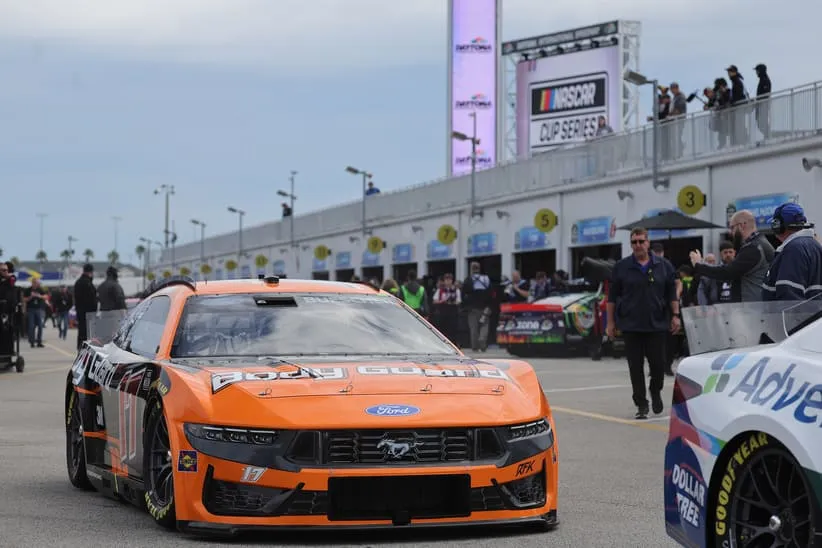
Daytona in February carries a feeling that never really changes. The humidity settles over the speedway, the engines echo across the infield, and the start of a new season brings a level of anticipation only this race can create. On Sunday, Feb. 15, the field will roll off for the 68th running of the Daytona 500, the event that sets the tone for everything that follows.
It’s the sport’s most visible stage, and this year’s storylines carry real weight. William Byron enters the week attempting something no driver has ever accomplished: a third straight Daytona 500 victory. Kyle Busch returns once again, chasing the one trophy that has eluded him for more than twenty years.
Around them is a field deep enough to make any prediction feel temporary. The odds reflect that reality, balanced, unpredictable, and shaped by the kind of volatility only Daytona can produce. Every year, this race reminds us that the fastest car doesn’t always win, and the safest bet rarely survives the final two laps.
Breaking Down the 2026 Daytona 500 Odds
Oddsmakers have leaned toward drivers with proven superspeedway instincts. Joey Logano opens as the favorite at +1000, a nod to his ability to manage the draft and control the flow of a race. He’s one of the few drivers who can consistently dictate the tempo of a lane, and that alone earns him respect on the board.
Ryan Blaney follows at +1100, and William Byron sits at +1300 as he attempts to make history. Byron’s number reflects both respect and caution. Oddsmakers know how strong he’s been, but they also understand how difficult it is to win this race once, let alone three times in a row. Kyle Larson and Chase Elliott are listed at +1400. Both have the equipment to contend, but their Daytona résumés remain inconsistent.
Larson’s strengths lie in intermediate tracks, and Elliott has struggled to convert speed into results in this event. Still, both are capable of leading laps and shaping the race if they find the right drafting partners. The odds board reflects a field where experience matters, but no one enters with a clear advantage.
Why the Favorites Aren’t Automatic Picks
Being the favorite at Daytona often creates more challenges than benefits. Joey Logano may top the board, but projections aren’t unanimous. Some models don’t place him inside the top five, citing the difficulty of controlling a race where the pack can reorganize itself in seconds. Leading at Daytona can be a liability: you’re exposed, visible, and the first target when a lane forms behind you.
Ryan Blaney faces a similar situation. He’s consistently fast in February, but his finishes haven’t matched his potential. Since his runner‑up result in 2020, he hasn’t returned to the top three in the 500.
Superspeedway racing demands patience, timing, and a little cooperation from the drivers around you, none of which can be guaranteed. The numbers suggest that the best value lies deeper in the field, where expectations are lower, and pressure is lighter.
Kyle Busch: The Most Intriguing Bet on the Board
Kyle Busch’s pursuit of the Daytona 500 remains one of the most compelling storylines in the sport. He has championships, crown‑jewel victories, and more than 60 wins, but this race has never fallen his way. He has been in a position to win multiple times, only to watch the opportunity disappear in the final miles.
Few drivers have endured more heartbreak at this track. This year, the odds finally give him room to breathe. At +1800 and +2200 in some books, Busch offers meaningful value. His superspeedway craft has improved with experience, and the analytics indicate he is a legitimate top‑five threat.
He knows how to survive the early chaos and position himself late. What he needs is a clean final lap and a break at the right moment. If he can avoid the trouble that has followed him in past years, this could be the season where the last empty space on his résumé finally gets filled.
The Rookie Variable: Connor Zilisch
Connor Zilisch enters the Cup Series with expectations that haven’t surrounded a rookie in years. The comparisons to Jeff Gordon aren’t accidental: the timing, the talent, and the anticipation all line up in a way that feels familiar. Zilisch has shown maturity beyond his age in every series he’s touched, and Daytona will test that composure immediately.
At +3000, Zilisch is a long shot, but Daytona has rewarded boldness before. Trevor Bayne proved that in 2011. If Zilisch can stay composed in the pack and avoid the early incidents that often shape this race, he has the raw ability to put himself in the conversation late.
His drafting instincts are still developing, but his confidence behind the wheel is already evident. Betting on a rookie to win the Daytona 500 is never safe, but it isn’t unreasonable when the rookie has this much natural ability.
Driver‑by‑Driver Odds Breakdown
To understand where the value truly sits, here’s a closer look at the key contenders and what their odds actually mean heading into Sunday. Taken together, this field represents one of the most balanced Daytona 500 grids in recent memory. There is no overwhelming favorite, no single team holding a clear advantage, and no driver entering with a margin wide enough to feel comfortable.
The odds board reflects that parity. The gap between the top tier and the mid‑tier is narrower than usual, and several drivers outside the spotlight have the experience and drafting awareness to shape the race in the final laps. Daytona has always rewarded those who can adapt to changing lines, shifting momentum, and unpredictable alliances, and this year’s lineup is full of drivers who fit that mold.
Whether it’s a veteran finally breaking through or a younger driver seizing the moment, the 2026 edition of the Great American Race feels wide open in a way that should keep bettors and fans on edge from the opening lap to the final sprint to the finish.
Joey Logano (+1000)
A favorite for good reason. Logano reads the draft as well as anyone, but being the car everyone expects to lead can leave him exposed. He’ll be in the mix, but the risk is higher than the number suggests. His success will depend on whether he can avoid being shuffled when the lanes reorganize late.
Ryan Blaney (+1100)
Always fast, rarely rewarded. Blaney has had multiple Daytona 500s slip away in the final laps. If he avoids trouble, he’ll be there late, but recent history makes him a cautious play. His biggest challenge is finishing the job he starts.
William Byron (+1300)
Going for a three‑peat. The odds reflect respect and skepticism. His team has mastered the Next Gen superspeedway package, but the difficulty of the task makes him a complicated bet. If he pulls it off, it becomes one of the greatest accomplishments in modern NASCAR.
Kyle Larson (+1400)
Elite everywhere except here. Larson has the speed but not the track record. If he stays patient, he could finally put together a complete 500. His biggest obstacle is avoiding the mid‑race chaos that has bitten him repeatedly.
Chase Elliott (+1400)
Popular with bettors, but inconsistent at Daytona. Capable of leading laps, but hasn’t shown the late‑race execution needed to close the deal. Elliott is a safer pick for top‑10 bets than an outright win.
Brad Keselowski (+1700)
One of the smartest superspeedway racers in the field. The 500 has burned him repeatedly, but RFK’s improvement makes him a legitimate dark‑horse threat. If he ever wins this race, it won’t be a surprise — it will be overdue.
Kyle Busch (+1800 to +2200)
The most compelling value on the board. Busch has the experience and the race craft — he just needs a clean final lap. If he avoids trouble, he’s a real contender. His odds are simply too good to ignore.
Denny Hamlin (+1600)
A three‑time winner who understands this race better than most. His odds sit higher than expected, but he’s always dangerous in the final ten laps. Hamlin is one of the few drivers who can manufacture opportunities at Daytona.
Ross Chastain (+2000)
Aggressive, fearless, and unpredictable. If he manages the early stages with restraint, he has the speed to contend. His race will depend entirely on whether he can balance aggression with patience.
Connor Zilisch (+3000)
The rookie wildcard. Raw talent, high ceiling, and a track that rewards boldness. If he survives the first half, he becomes interesting. His learning curve will be steep, but his potential is undeniable.
Bubba Wallace (+2200)
One of the more reliable superspeedway performers. Strong in the draft, but needs to finish races more consistently. Wallace is a legitimate threat if he reaches the final 20 laps in one piece.
Erik Jones (+2500)
Underrated and experienced. Jones has a Daytona win and a knack for surviving the chaos. A strong mid‑tier value pick who often outperforms his odds.
What Bettors Should Consider
Superspeedway betting operates under its own rules. Volatility levels the field. The difference between a favorite at +1000 and a mid‑tier driver at +2000 is smaller on track than the odds suggest. Public money influences the board. Names like Elliott and Logano attract heavy betting volume, often pushing their odds lower than their true probability.
History matters, but it doesn’t dictate outcomes. Byron’s three‑peat attempt is unprecedented. His team is strong, but the task is enormous. Late‑race positioning matters more than early speed. The drivers who win this race rarely dominate it. They survive it and make the right move at the right moment.
What’s Next
The 2026 Daytona 500 is shaping up as a collision of history, opportunity, and unpredictability. William Byron is chasing a record that would redefine his career. Kyle Busch is chasing the one win that has eluded him for more than twenty years.
And the rest of the field is chasing the biggest victory of the season. When the green flag waves, the odds and projections will matter far less than instinct, timing, and survival. Daytona has never followed a script, and it won’t start now.
The value may sit with drivers like Kyle Busch or Brad Keselowski, but the only certainty is that the final laps will test every driver’s nerve. The Great American Race rarely gives anyone an easy path, and that’s exactly why it remains the most unpredictable event on the schedule.
