
The Empty Seat in the Owner’s Box: Why Donald Trump Snubbed Super Bowl LX

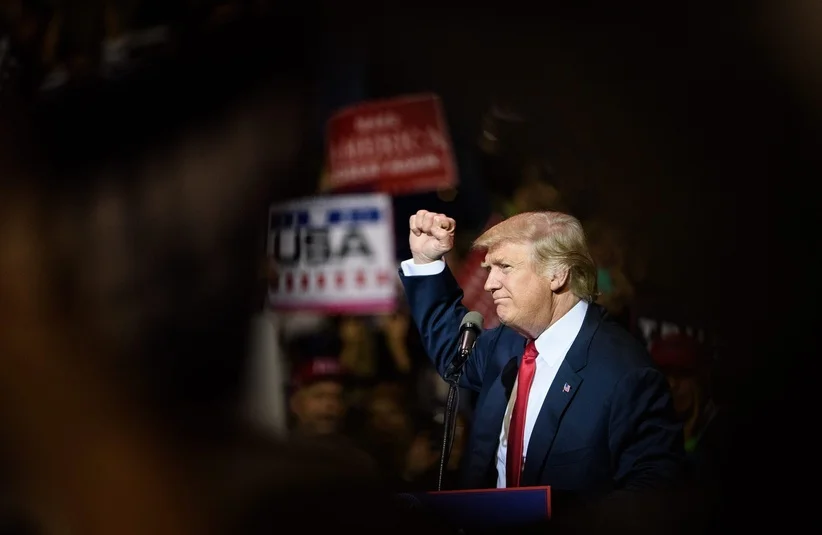
The lights at Levi’s Stadium were blinding, the energy for the Patriots-Seahawks rematch was electric, and the celebrity row was packed. But in the middle of the biggest sporting event on the calendar, the conversation kept drifting away from the gridiron and toward a glaring vacancy in the luxury suites.
President Donald Trump was a no-show. For a figure who has historically intertwined his public persona with the spectacle of professional sports—and specifically the NFL—his absence in Santa Clara wasn’t just a scheduling conflict. It felt like a statement. While the Patriots and Seahawks battled for the Lombardi Trophy, a different kind of game was being played in the headlines, involving everything from flight logistics to a heated feud with the halftime headliner.
The “Too Far” Defense vs. Reality
Let’s look at the official line first. Back in January, Trump told the New York Post he wouldn’t be making the trip to California. His reasoning? He called Santa Clara “too far away.”
On the surface, it’s a simple logistical complaint. Cross-country travel is grueling for anyone. But when you look at the track record, that excuse starts to wobble. Trump was front and center at the Super Bowl in New Orleans just last year. He has never been one to shy away from a camera lens, especially when his longtime friend Robert Kraft has his team in the big dance.
Skipping a Patriots Super Bowl is almost unheard of for Trump. The bond between the 45th President and the Patriots’ ownership is well-documented. For him to bypass the chance to potentially celebrate with Kraft suggests that the miles weren’t the only thing keeping him grounded. It signals a shift in how he’s choosing to engage—or disengage—with mainstream cultural events.
The Bad Bunny Beef
If distance was the shield, the halftime show was likely the sword. The selection of global superstar Bad Bunny as the halftime performer didn’t sit well with the Trump camp.
It’s no secret that Trump has used cultural wedge issues to rally his base, and the Super Bowl stage is the biggest platform there is. Following Bad Bunny’s politically charged “ICE out” comments at the Grammys, the friction was palpable. White House Press Secretary Karoline Leavitt didn’t mince words, confirming Trump’s disapproval and noting that the President would have much preferred a performance by Kid Rock.
This wasn’t just a passive preference; it sparked a counter-movement. Conservative group Turning Point USA actually went as far as organizing an “alternative” halftime show featuring Kid Rock. By staying home, Trump avoided the awkward optics of sitting through a performance by an artist he has publicly deemed “un-American.” It allowed him to control the narrative rather than being a spectator to someone else’s show.
Navratilova and the Public Backlash
You can’t have a moment this polarized without the sports world weighing in, and tennis legend Martina Navratilova was quick to serve up her opinion. Never one to hold back on social media, Navratilova criticized Trump for the snub, viewing it as petty rather than presidential.
Her reaction mirrored a massive divide among the fans. One side saw Trump’s absence as a principled stand against a “woke” entertainment industry. The other side saw it as a thin-skinned retreat from a national tradition.
A Calculated Shift in Strategy?
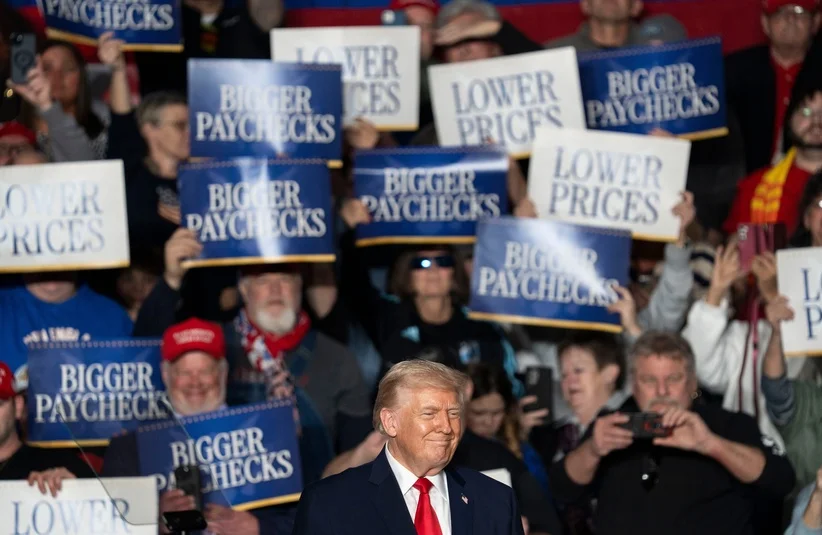
Political analysts are looking at this as more than just a missed football game. Trump is a master of optics. By attending in 2025 but skipping 2026, he’s creating a distinct contrast. He’s showing that his presence is conditional. He loves the applause, but he won’t sign off on a cultural product he feels opposes his values.
Even his post-game statement felt carefully curated. He wished the athletes and coaches well and called the game a “uniquely American tradition,” effectively separating the sport (which he loves) from the production (which he loathes).
FAQ Section
Q: Why did Trump skip Super Bowl 2026?
A: He cited the distance to Santa Clara, California, as the main reason.
Q: Who performed at halftime?
A: Bad Bunny, though Trump criticized the choice and preferred Kid Rock.
Q: Why is this news important?
A: It highlights the intersection of politics, sports, and culture, showing how presidential actions influence public debate.
Q: What are the next steps?
A: Observers will monitor Trump’s participation in other cultural events and how this shapes his political image.
What This Means for 2027
So, is this the new playbook? Will the President only attend events that cater specifically to his preferences?
Super Bowl LX proved that the game goes on, with or without political heavyweights in the box. But the absence of Trump created a vacuum that was filled with debate, distraction, and division. As we move deeper into the election cycle, don’t expect him to just show up for the sake of tradition. If Super Bowl 2026 taught us anything, it’s that for Trump, every seat is a political seat—even the empty ones.
