Tom Brady’s Las Vegas Raiders Role Sparks Major Controversy: Is This a Conflict Of Interest?

Picture this: You’re watching “Monday Night Football,” expecting the usual drama between division rivals, when suddenly the camera pans to the coaching booth. There’s Tom Brady—not in his Fox Sports blazer, but wearing a headset like he’s calling plays for the Las Vegas Raiders. Yeah, that actually happened, and it’s got everyone talking. Why is he under fire for this decision?
The Headset Heard ‘Round the World
"I would be upset or uncomfortable if I were a player on his team."@Foxworth24 shares his thoughts on Tom Brady being an NFL owner and broadcaster 👀 pic.twitter.com/LQZw1TgAQ4
— Get Up (@GetUpESPN) September 16, 2025
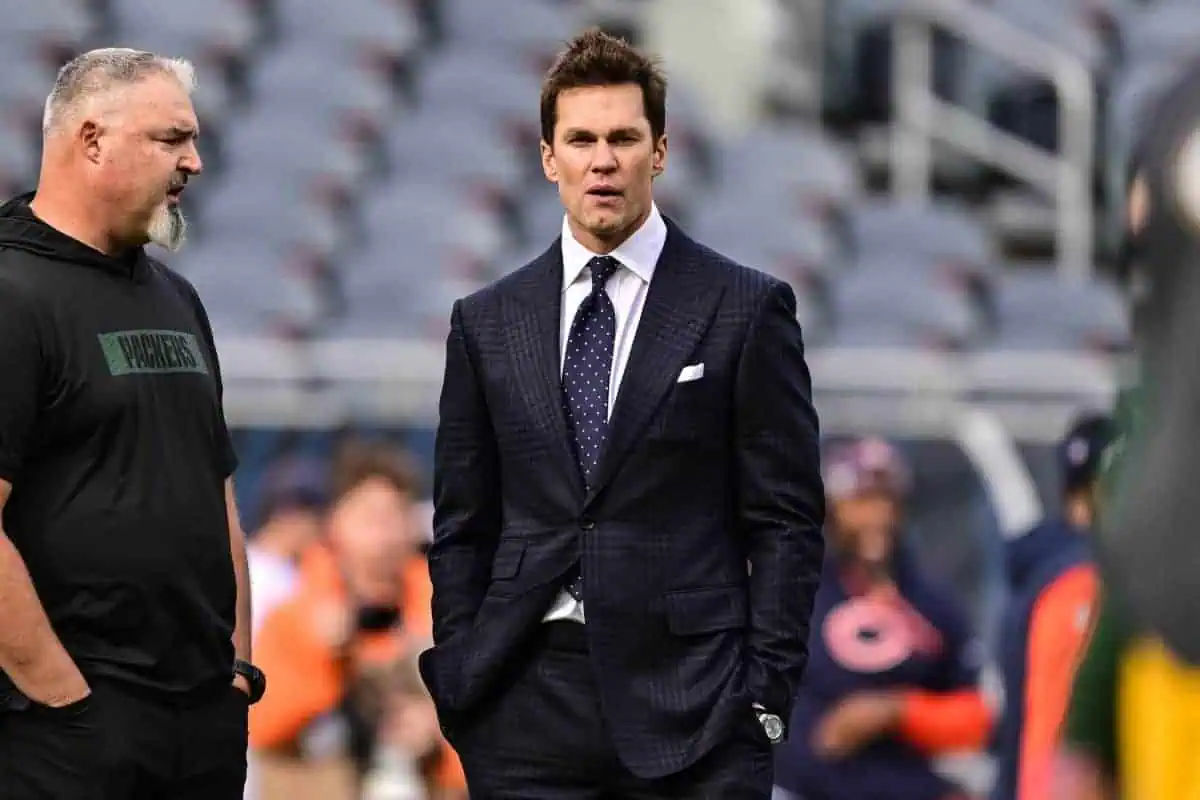
During the Raiders’ disappointing 20-9 loss to the Chargers, Brady wasn’t just observing from the owner’s box like you’d expect from a minority stakeholder. Nope, the seven-time Super Bowl champion was right there in the thick of things, headset on, tablet in hand, looking every bit like a member of the coaching staff.
ESPN’s own broadcast team couldn’t help but address the elephant in the room. Peter Schrager dropped this bombshell during the telecast: “Chip Kelly told us this. He talks to Brady two to three times a week. They go through film, they go through the gameplan.”
Wait, what? The guy who’s supposed to be calling games objectively for Fox is literally helping design game plans for one of the teams? That’s like having a judge who moonlights as a defense attorney. The math just doesn’t add up.
Brady’s Double Life Gets Messy
Here’s where things get really interesting (and by interesting, I mean potentially problematic). Brady inked a 10-year, $375 million deal with Fox to be their lead NFL analyst. That’s generational wealth money, the kind that makes you think twice before risking it all.
But Brady’s not just any broadcaster—he’s also a Raiders minority owner, a deal that got official approval last October. The NFL tried to address potential conflicts by implementing restrictions: no attending team practices, no visiting facilities, and initially, no production meetings with coaches and players.
The league recently loosened some of those rules, allowing Brady to participate in production meetings remotely. But seeing him physically in the coaching booth, actively involved in game operations? That’s a whole different level of involvement that nobody saw coming.
Coach Carroll Throws Cold Water on the Story
Raiders Head Coach Pete Carroll quickly tried to downplay the situation after the game, calling reports about Brady’s multiple weekly meetings with offensive coordinator Chip Kelly “not accurate.” “We have conversations,” Carroll said. “I talk to Tom, Chip talks to Tom regularly. We have a tremendous asset. And we all get along and respect each other. We just talk about life and football.”
Sure, Coach. Just casual chats about life, football, and oh yeah, maybe some light game-planning on the side. Nothing to see here, folks.
The Fox In the Henhouse Problem
Let’s be real for a minute. Brady’s situation creates a conflict of interest so obvious it’s almost comical. Next week, he’s scheduled to call the Cowboys-Bears game for Fox. The week after that? The Bears travel to Las Vegas to face—you guessed it—the Raiders.
So Brady will have inside knowledge of Chicago’s game plan, tendencies, and strategies from his broadcast preparation, then potentially share insights with his Raiders colleagues the following week. That’s not just unfair; it’s the kind of advantage that could swing games in a league where margins are razor-thin.
Fox Sports executives have defended Brady’s integrity, with production chief Brad Zager calling conflict concerns “ridiculous” and questioning Brady’s “professionalism and integrity.” But integrity isn’t the issue here—it’s about putting someone in an impossible position where competing interests inevitably clash.
What This Means Moving Forward
The NFL prides itself on competitive balance and fairness. Having an owner who’s also a broadcaster with access to inside information from multiple teams every week threatens that balance. It’s not about Brady being dishonest—it’s about a system that creates inherent conflicts.
This situation also raises questions about the league’s oversight of its broadcast partners. If Brady can be in coaching booths during games while simultaneously serving as a national broadcaster, what other boundaries might be getting blurred?
The Raiders, meanwhile, are clearly maximizing their Brady asset. Why wouldn’t they? Having one of the greatest quarterbacks ever as a resource is like having a cheat code for football knowledge. But when that same person is supposed to be an impartial voice for millions of viewers, the lines get uncomfortably blurry.
As the season progresses, expect more scrutiny of Brady’s dual roles. Because right now, it looks like the NFL is trying to have its cake and eat it too—and that’s a recipe for controversy that won’t be going away anytime soon.