
The Rams Bet on the Future at the Worst Possible Time

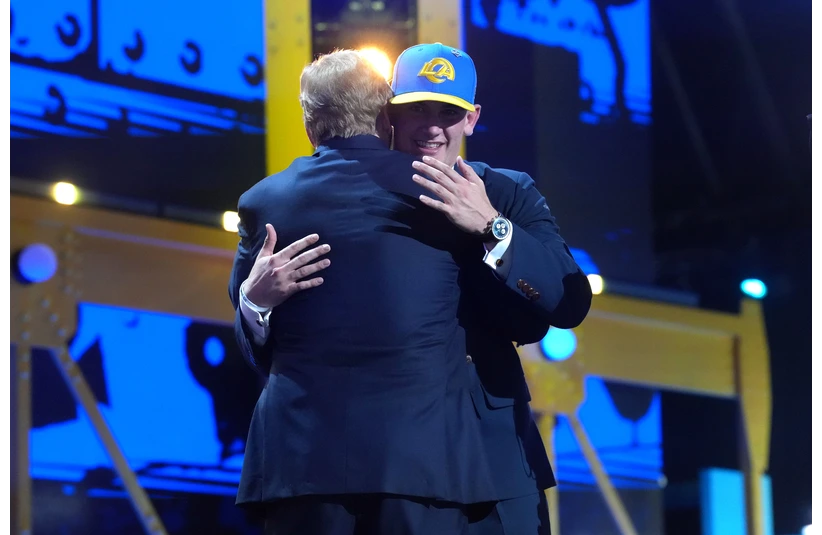
The Rams didn’t just make a surprising pick when they drafted Ty Simpson at No. 13. They made a choice that runs against everything their roster and timeline demand right now. This is a team built around Matthew Stafford’s championship window, not a franchise preparing for a slow transition.
Instead of adding a player who could help them win immediately, they invested in a quarterback who may not see meaningful snaps for years. Simpson’s upside doesn’t change the fact that the Rams needed impact, not insurance.
McVay’s Reaction Told the Story
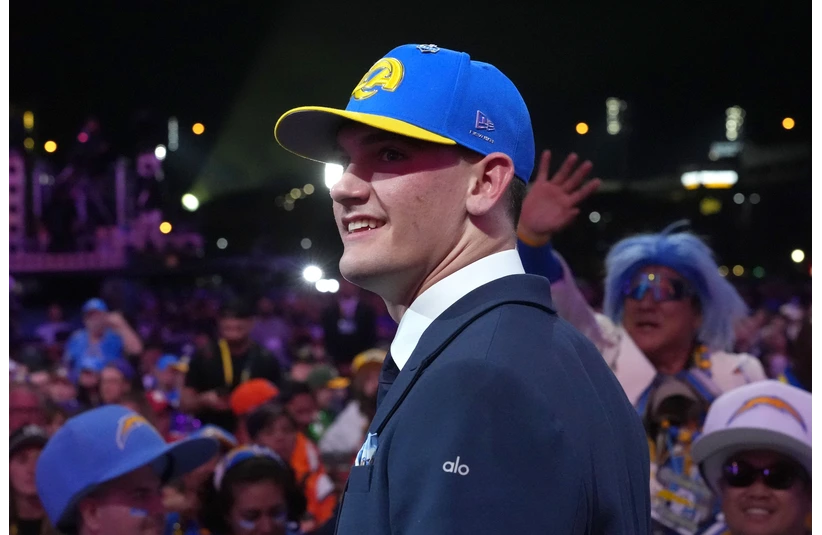
Sean McVay’s expression during the post‑draft press conference said more than his words. While Les Snead praised Simpson’s traits and long‑term potential, McVay looked like a coach who expected a different direction. His answers were polite but lacked the excitement you usually hear when a team lands a top‑15 cornerstone.
He talked about Simpson’s tools and familiarity with certain concepts, not how he elevates the 2026 roster. That tone reflected a coach who knows this pick doesn’t help him win now.
The Rams Passed on Players Who Fit Their Window
This draft offered several players who could have stepped in and contributed immediately. The Rams had a chance to add a dynamic receiver like Makai Lemon or a tight end like Kenyon Sadiq, both of whom would have boosted Stafford’s offense.
They also passed on defensive help, including Dillon Thieneman, a safety who could have strengthened a thin secondary. Instead, they used a premium pick on a quarterback who won’t play unless Stafford gets hurt. That’s not maximizing a championship window; that’s delaying it.
History Isn’t on Their Side
The Rams became the first team since 1967 to draft a first‑round quarterback while returning the league’s reigning MVP. The last team to do it, the Packers with Bart Starr and Don Horn, didn’t get much out of the move. Horn barely played and never became the long‑term answer Green Bay hoped for.
Other contenders who tried this approach, like the 1980 Steelers and 1999 Vikings, saw similar results. Those rookies combined for zero starts as rookies and produced only one winning season each in their careers.
